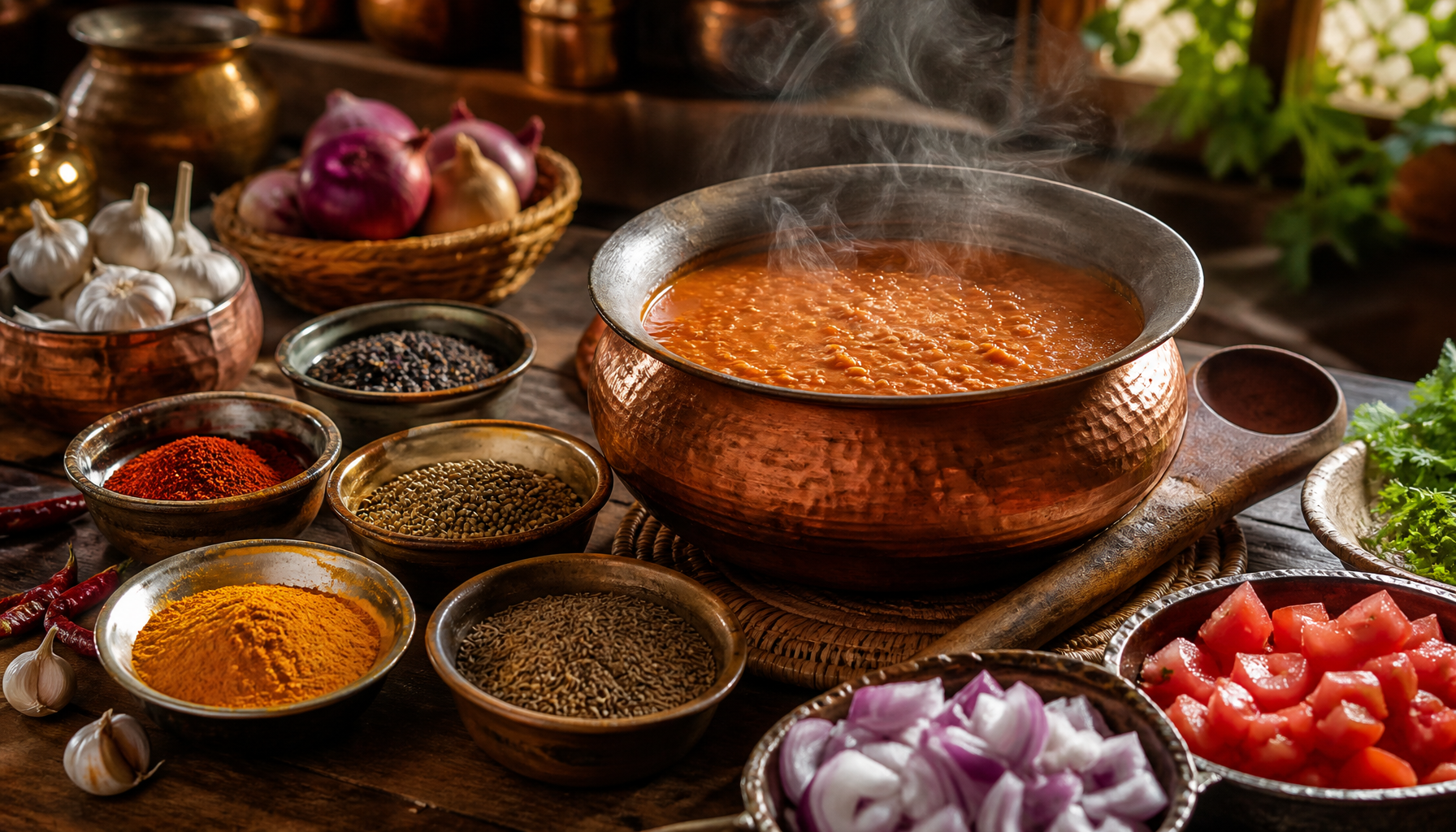
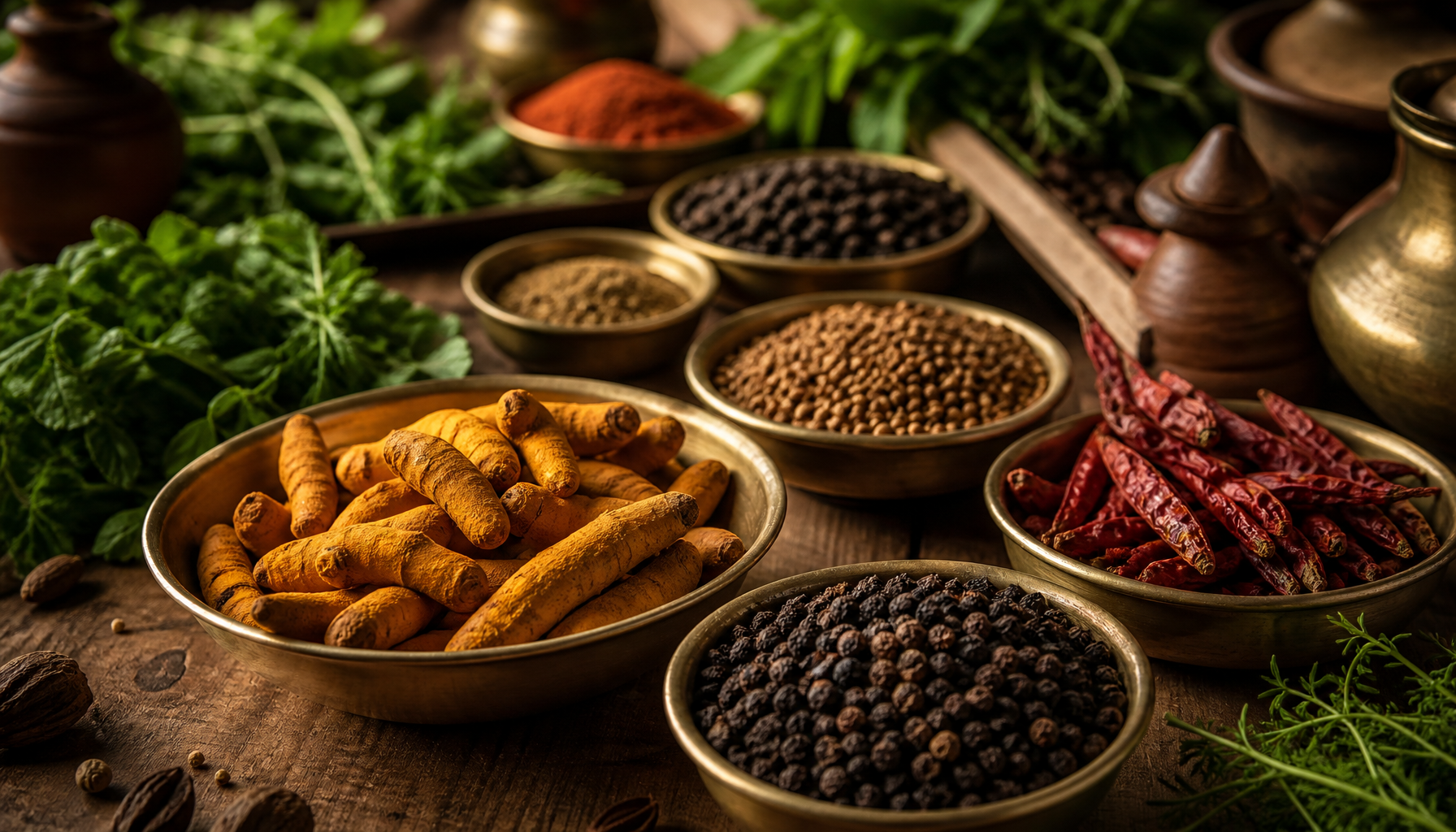
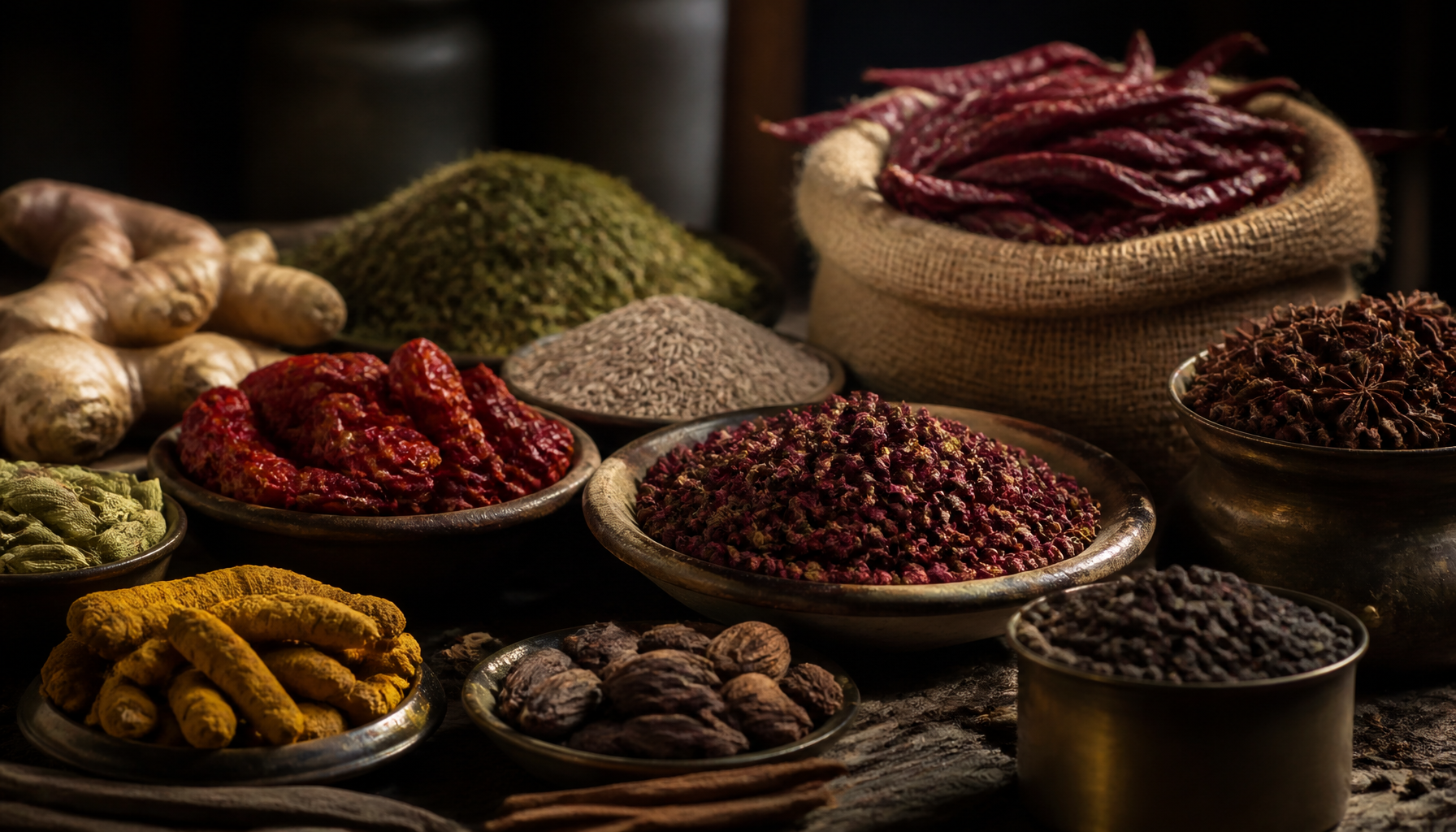
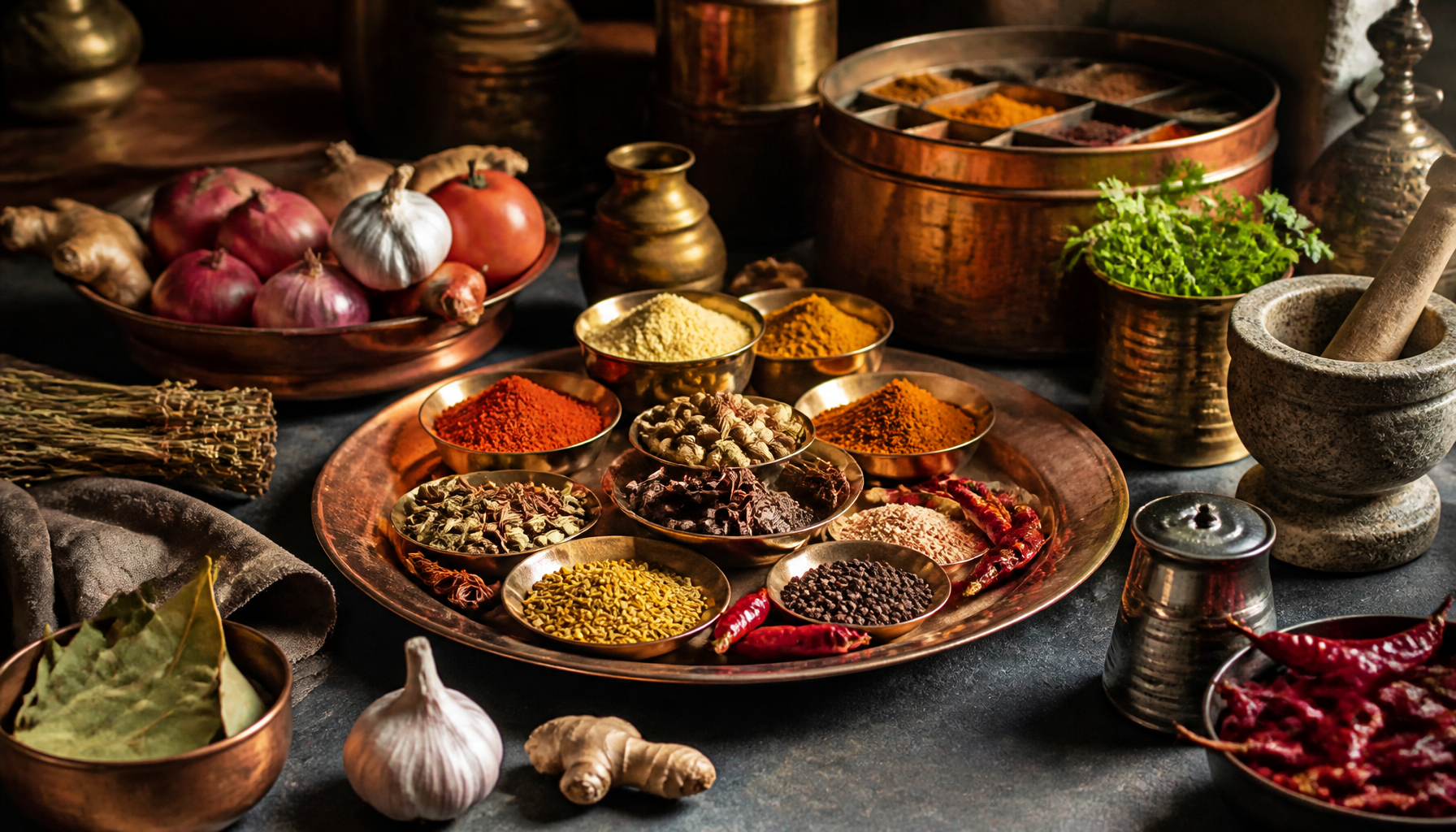
Nepali cuisine boasts a plethora of unique and flavorful dishes, among which Maas Ko Daal holds a special place. This traditional recipe is a testament to Nepal’s rich culinary heritage and is a must-try for food enthusiasts. In this guide, we’ll walk you through the Maas Ko Daal recipe, providing insights into its cultural significance, ingredients, step-by-step cooking instructions, and variations to cater to different dietary preferences.
📌 Key Takeaways
Maas Ko Daal is a traditional Nepali dish made from black lentils.
The dish is rich in cultural significance and is a staple in Nepali cuisine.
Learn how to make this dish with our easy-to-follow recipe.
📋 Table of Contents
17 Sections
Introduction to Maas Ko Daal
Cultural Significance
Maas Ko Daal is not just a dish; it’s a cultural emblem of Nepal. Prepared predominantly during festivals and special occasions, it brings families together and embodies the spirit of communal celebration. This dish is often part of Newari feasts, where it symbolizes prosperity and good fortune. The preparation itself is a communal activity, with family members gathering to cook and share stories.
Historical Background
The origins of Maas Ko Daal can be traced back centuries to the Newar community of the Kathmandu Valley. This community is known for their rich culinary tradition, and Maas Ko Daal has been a part of their diet for generations. The recipe has been passed down through families, with each adding their unique touch while maintaining the core essence of the dish.
Ingredients for Maas Ko Daal
Main Ingredients
To prepare this authentic dish, you will need the following main ingredients:
Black Lentils (Maas): 2 cups, soaked overnight
Ghee or Mustard Oil: 3 tablespoons
Water: 4 cups
Salt: to taste
Spices and Seasonings
The spices are what give this dish its distinctive flavor:
Cumin Seeds: 1 teaspoon
Turmeric Powder: 1/2 teaspoon
Red Chilies: 2-3, dried
Asafoetida (Hing): a pinch
Garlic: 4 cloves, minced
Ginger: 1 inch piece, grated
Step-by-Step Maas Ko Daal Recipe
Preparation
Begin by soaking the black lentils in water overnight or for at least 8 hours. This softens them and reduces cooking time. Once soaked, rinse thoroughly and set aside. Gather all the spices and prepare them for cooking.
Cooking Instructions
Follow these steps to cook a perfect Maas Ko Daal:
Heat oil in a heavy-bottomed pot over medium heat. Add cumin seeds and allow them to splutter.
Add dried red chilies and asafoetida. Sauté for 30 seconds.
Add minced garlic and grated ginger, sauté until golden brown.
Add the soaked lentils and turmeric powder. Mix well to coat the lentils with spices.
Pour in water and bring to a boil. Reduce heat and simmer for 30-40 minutes.
Season with salt and adjust spices as needed.
Serve hot with steamed rice or traditional Nepali bread.
💡 Pro Tip: For an enhanced flavor, add a tablespoon of ghee on top right before serving. This adds richness and an aromatic quality to the dish.
Variations and Serving Suggestions
Vegetarian and Vegan Options
Maas Ko Daal is naturally vegetarian. For a vegan option, replace ghee with mustard oil or coconut oil. This keeps the dish plant-based while preserving the rich flavors. You can also add vegetables such as spinach or tomatoes to enhance the nutritional value.
Traditional Serving Style
Traditionally, Maas Ko Daal is served alongside beaten rice (chiura), aloo (potato), and various Newari side dishes. This combination is a staple during festivals like Indra Jatra. For a complete Nepali meal experience, pair it with a Nepali pickle (achaar) and fresh vegetables.
Tips and Tricks for Perfect Maas Ko Daal
Cooking Tips
Here are some tips to ensure your Maas Ko Daal turns out perfectly every time:
Always soak lentils overnight for even cooking and a creamier texture.
Use a pressure cooker to speed up the cooking process.
Adjust the consistency by adding more water during cooking.
Common Mistakes to Avoid
Don’t skip soaking as unsoaked lentils take much longer to cook and may not achieve the right texture.
Avoid high heat as this can cause the lentils to stick and burn.
Do not add salt too early as it can make the lentils tough.
⚠️ Important Note: Ensure lentils are thoroughly cooked before serving. Undercooked lentils can be hard to digest.
In conclusion, Maas Ko Daal is a rich and flavorful dish that carries significant cultural importance in Nepal. By following this recipe, you can experience a taste of Nepali tradition in the comfort of your own home. Whether you’re a seasoned cook or a beginner, this dish is sure to impress with its depth of flavor and cultural significance.
For more inspiration on Nepali recipes, you can explore resources like [Nepali food recipes](https://www.nepalirecipes.com) and join communities that celebrate Nepali culinary arts.
Frequently Asked Questions
What is Maas Ko Daal?
Maas Ko Daal is a traditional Nepali dish made from black lentils, celebrated for its rich flavor and cultural significance.
Can I make Maas Ko Daal vegan?
Yes, by substituting ghee with mustard or coconut oil.
How long should I soak the lentils?
Soak lentils overnight or for at least 8 hours for best results.
{
“@context”: “https://schema.org”,
“@type”: “FAQPage”,
“mainEntity”: [
{
“@type”: “Question”,
“name”: “What is Maas Ko Daal?”,
“acceptedAnswer”: {
“@type”: “Answer”,
“text”: “Maas Ko Daal is a traditional Nepali dish made from black lentils, celebrated for its rich flavor and cultural significance.”
}
},
{
“@type”: “Question”,
“name”: “Can I make Maas Ko Daal vegan?”,
“acceptedAnswer”: {
“@type”: “Answer”,
“text”: “Yes, by substituting ghee with mustard or coconut oil.”
}
},
{
“@type”: “Question”,
“name”: “How long should I soak the lentils?”,
“acceptedAnswer”: {
“@type”: “Answer”,
“text”: “Soak lentils overnight or for at least 8 hours for best results.”
}
}
]
}{
“@context”: “https://schema.org”,
“@type”: “BlogPosting”,
“headline”: “Maas Ko Daal Recipe: A Flavorful Lentil Delight”,
“image”: [
“https://wilson.com.np/wp-content/uploads/2026/09/maas-ko-daal-recipe-a-flavorful-lentil-delight-featured.png”
],
“wordCount”: 806,
“author”: {
“@type”: “Person”,
“name”: “AutoBlogger Editorial”
}
}
id=”introduction-to-the-spices-of-nepal” class=”autoblogger-h2″ style=”font-size: 1.75rem; font-weight: 800; color: #0f172a; margin: 2.5rem 0 1.25rem 0; border-bottom: 2px solid #e2e8f0; padding-bottom: 0.5rem;”>Introduction to the Spices of Nepal
When it comes to culinary exploration, the spices of Nepal offer a vibrant journey through aromatic scents and bold flavors. These spices are not just ingredients; they are a vital part of Nepal’s cultural and historical fabric. The rich tapestry of Nepali cuisine is deeply intertwined with the use of these spices, which have been cherished for centuries.
📌 Key Takeaways
Nepali spices are integral to the country’s rich culinary heritage.
Learn about sourcing authentic spices from Nepal.
Explore how these spices enhance traditional Nepali dishes.
📋 Table of Contents
16 Sections
Cultural Significance
In Nepal, spices are more than mere flavor enhancers. They hold cultural and religious significance, often used in traditional rituals and celebrations. Spices like turmeric are considered sacred and are used in various religious ceremonies. The use of spices in the daily diet is also seen as a way to maintain health and wellness, reflecting the holistic approach of Nepali culture to food.
Historical Context
Historically, Nepal’s strategic location along the ancient trade routes has significantly influenced its spice culture. Spices were traded extensively, contributing to the variety and richness found in Nepalese cuisine today. For a broader understanding of this culinary heritage, consider exploring [Nepalese cuisine insights](https://www.tasteatlas.com/nepal).
Popular Nepali Spices and Their Uses
Nepalese spices are known for their unique flavors and health benefits, making them integral to traditional cooking.
Timur (Sichuan Pepper)
Timur, or Sichuan pepper, is a staple in many Nepali dishes. Known for its tangy and slightly citrus flavor, it adds a distinct zing to curries and pickles. Unlike black pepper, Timur imparts a numbing sensation, which enhances the overall taste experience.
Turmeric and Its Benefits
Turmeric is another cornerstone of Nepali spice varieties. Its vibrant yellow color and earthy flavor make it a versatile ingredient in curries and stews. Beyond its culinary uses, turmeric is revered for its anti-inflammatory properties and is a key component in traditional medicine.
Jimbu: A Unique Herb
Jimbu, a lesser-known herb, is primarily found in the Himalayan region. It is used to flavor lentil soups and vegetables, imparting a unique taste that is both onion-like and savory. Jimbu is often dried and stored for use during the off-season, reflecting the resourcefulness of Nepali cooking.
<h2Sourcing Authentic Nepali Spices
Sourcing Authentic Nepali Spices
Finding genuine spices of Nepal can be a challenge, but knowing where to look can make a significant difference.
Local Markets in Nepal
The bustling markets of Kathmandu and Pokhara are treasure troves for authentic Nepalese spices. Here, you can find fresh spices sold by local vendors who have been in the trade for generations. Visiting these markets not only ensures authenticity but also supports local economies.
Online Purchasing Options
For those unable to visit Nepal, online shopping offers a viable alternative. Look for reputable retailers who specialize in Himalayan spices. Ensure they provide detailed descriptions and sourcing information to guarantee authenticity. For more details on spice cultivation practices, visiting resources like [spice cultivation in Nepal](https://icimod.org) can be beneficial.
<h2Cooking with Nepali Spices: Tips and Recipes
Cooking with Nepali Spices: Tips and Recipes
Incorporating Nepalese spices into your cooking can elevate your dishes to new heights.
Traditional Nepali Dishes
One of the most beloved dishes is Dal Bhat, a staple meal consisting of lentil soup and rice. To make an authentic Dal Bhat, follow these steps:
Gather Ingredients: You’ll need lentils, rice, turmeric, cumin, and Timur.
Cook Lentils: Boil lentils with water, turmeric, and salt.
Prepare Tadka: In a separate pan, heat oil and add cumin and Timur until aromatic.
Combine and Serve: Mix the tadka into the boiled lentils and serve with steamed rice.
Modern Fusion Recipes
Nepali spices can also be used in contemporary fusion dishes. Try adding Timur to a chocolate dessert for a surprising twist or use Jimbu in a vegetable stir-fry for added depth. These spices offer endless possibilities for creative cooking.
The Future of Nepalese Spices
As global interest in diverse cuisines grows, the spices of Nepal are gaining recognition beyond their borders.
Sustainability and Cultivation
Sustainable farming practices are crucial for the future of spice cultivation in Nepal. Efforts are being made to ensure that spice farming does not harm the environment, focusing on organic methods and fair trade practices. This approach helps preserve the biodiversity of Nepal’s unique spice varieties.
Global Influence
The global culinary scene is increasingly embracing Nepali spices, with renowned chefs incorporating them into their menus. This growing popularity not only highlights the rich flavors of Nepalese spices but also supports local farmers and communities by increasing demand.
⚠️ Important Note: When purchasing spices, always verify the source to ensure that you are supporting ethical and sustainable farming practices.
💡 Pro Tip: Experiment with small quantities of new spices to understand their flavors and how they complement other ingredients in your dishes.
In conclusion, the spices of Nepal offer a delightful exploration into a world of flavors that are both ancient and innovative. Whether you’re a cooking enthusiast, a traveler, or a foodie, these spices provide a unique opportunity to experience the rich culinary heritage of Nepal. From the vibrant markets of Kathmandu to your own kitchen, these spices transform ordinary dishes into extraordinary culinary experiences.
Frequently Asked Questions
What are the most common spices used in Nepalese cuisine?
Common spices include Timur, turmeric, and cumin, each offering unique flavors.
How can I ensure the Nepali spices I buy are authentic?
Purchase from reputable local markets or trusted online retailers.
What dishes can I make with Nepali spices?
Try traditional dishes like Dal Bhat or experiment with fusion recipes.
{
“@context”: “https://schema.org”,
“@type”: “FAQPage”,
“mainEntity”: [
{
“@type”: “Question”,
“name”: “What are the most common spices used in Nepalese cuisine?”,
“acceptedAnswer”: {
“@type”: “Answer”,
“text”: “Common spices include Timur, turmeric, and cumin, each offering unique flavors.”
}
},
{
“@type”: “Question”,
“name”: “How can I ensure the Nepali spices I buy are authentic?”,
“acceptedAnswer”: {
“@type”: “Answer”,
“text”: “Purchase from reputable local markets or trusted online retailers.”
}
},
{
“@type”: “Question”,
“name”: “What dishes can I make with Nepali spices?”,
“acceptedAnswer”: {
“@type”: “Answer”,
“text”: “Try traditional dishes like Dal Bhat or experiment with fusion recipes.”
}
}
]
}{
“@context”: “https://schema.org”,
“@type”: “BlogPosting”,
“headline”: “Discover the Unique Spices of Nepal: A Flavorful Journey”,
“image”: [
“https://wilson.com.np/wp-content/uploads/2026/09/discover-the-unique-spices-of-nepal-a-flavorful-jo-featured.png”
],
“wordCount”: 840,
“author”: {
“@type”: “Person”,
“name”: “AutoBlogger Editorial”
}
}
Saffron in Nepali Cuisine and Culture: A Rich Tradition
Saffron, often referred to as the “golden spice,” holds a special place in Nepali cuisine and culture. Known for its distinct aroma and vibrant color, saffron in Nepali traditions is more than just a culinary delight—it’s a symbol of heritage and wellness. This article explores the cultural significance, cultivation practices, culinary uses, health benefits, and challenges in sourcing authentic saffron in Nepal.
📌 Key Takeaways
Discover the cultural significance of saffron in Nepal.
Learn about saffron cultivation practices in Nepal.
Explore the health benefits and culinary uses of saffron.
Saffron’s cultural roots in Nepal are deep and multifaceted. It has been revered for centuries, not only for its culinary uses but also for its spiritual and ceremonial importance.
Historical Context
Historically, saffron has been prized in Nepal for its rarity and unique properties. The spice’s history in the region dates back hundreds of years when it was first introduced through trade routes connecting South Asia to the Middle East and Europe. Saffron was not only a luxury item but also a symbol of prosperity and purity.
Saffron in Festivals and Traditions
In Nepali traditions, saffron is often used in religious rituals and festivals. For example, during Tihar, the festival of lights, saffron-infused water is used to anoint statues of deities and sacred objects. Additionally, saffron is an essential ingredient in the traditional dish “Pulao,” which is prepared during celebrations and gatherings. Its inclusion in these practices underscores its importance as a symbol of auspiciousness and blessing.
Saffron Cultivation in Nepal
Cultivating saffron in Nepal requires specific climatic conditions and precise techniques, making it a challenging yet rewarding endeavor.
Ideal Growing Conditions
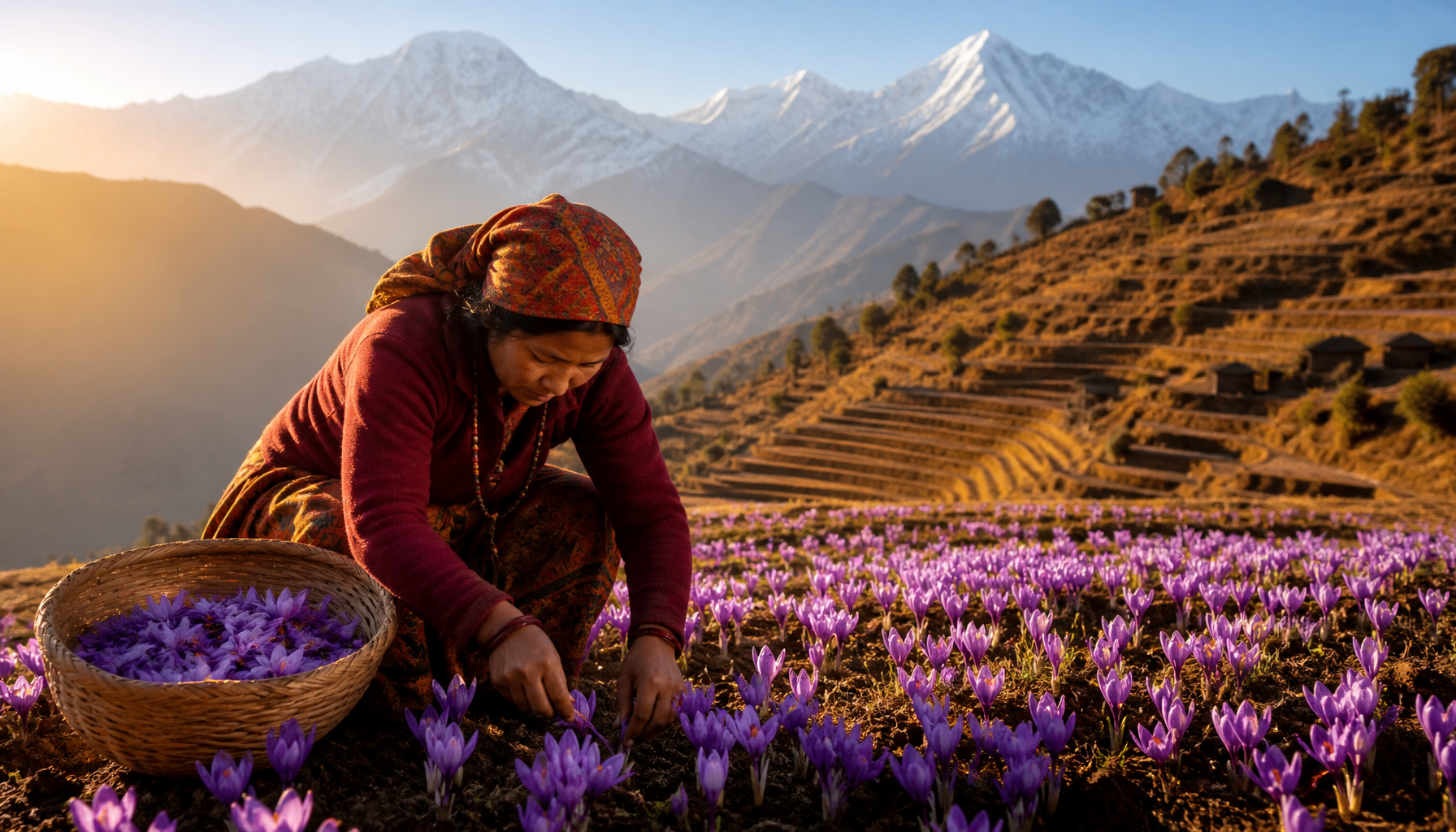
Saffron thrives in high-altitude regions with well-drained soil and a dry climate. In Nepal, areas such as Jumla and Mustang are ideal for saffron cultivation due to their altitude and climate. The spice requires a cold winter to stimulate flowering, followed by a warm, dry summer.
Harvesting Techniques
The harvesting of saffron is labor-intensive. 1.Pick the flowers early in the morning when they are fully bloomed. 2.Carefully separate the crimson stigmas from the flowers by hand. This meticulous process ensures the quality and purity of the saffron threads. 3.Dry the stigmas in a controlled environment to preserve their aroma and potency.
For more insights into saffron cultivation practices, you can refer to Nepalese agricultural practices.
<h2Culinary Uses of Saffron in Nepali Cuisine
Culinary Uses of Saffron in Nepali Cuisine
Saffron’s unique flavor and color make it a cherished ingredient in Nepali cooking.
Popular Dishes
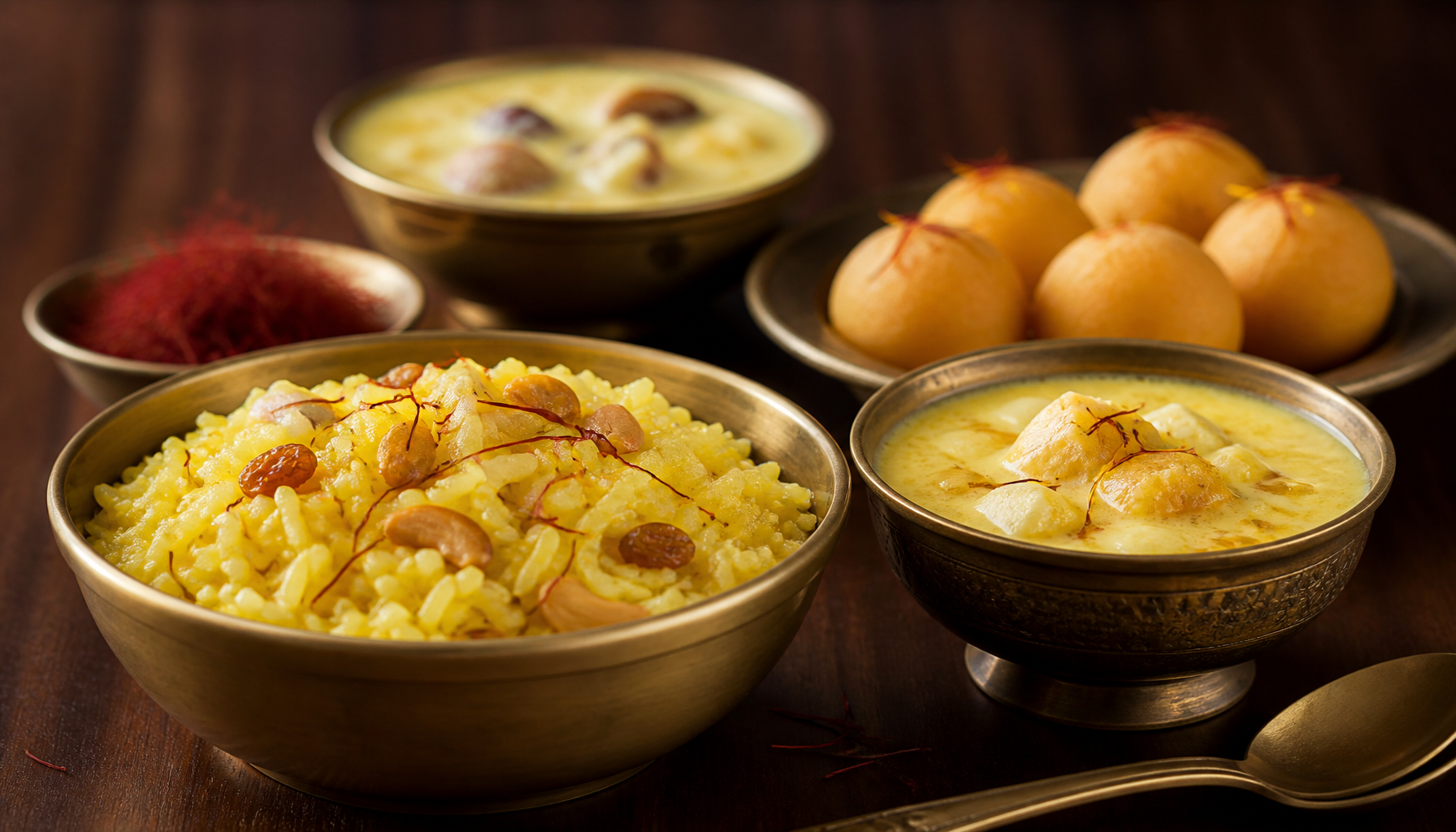
Saffron is used in a variety of Nepali dishes, with “Saffron Pulao” being a standout. This fragrant rice dish is enriched with saffron, nuts, and spices, offering a delightful blend of flavors. Another popular dish is “Kheer,” a creamy rice pudding infused with saffron and cardamom, often served during festivals and special occasions.
Cooking Tips
When cooking with saffron, soak the threads in warm water or milk for about 20 minutes before adding them to your dish. This technique releases the full flavor and color of the saffron. Use sparingly, as a little saffron goes a long way in imparting its distinct essence.
<h2Health Benefits of Saffron
Health Benefits of Saffron
Saffron is more than a culinary treasure; it is also valued for its health-enhancing properties.
Nutritional Profile
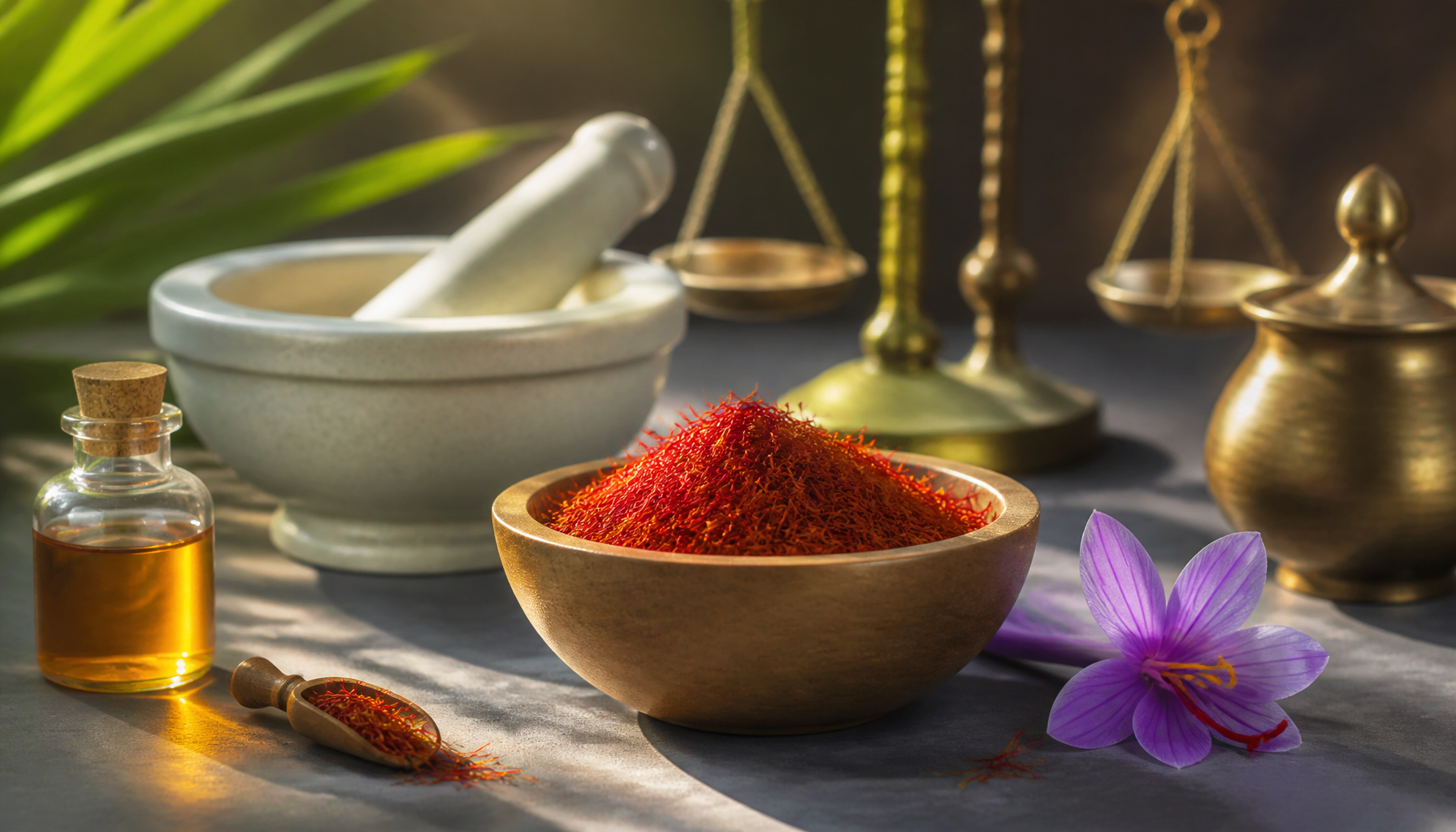
Saffron is rich in antioxidants such as crocin and safranal, which contribute to its vibrant color and health benefits. It also contains vitamins and minerals including vitamin C, manganese, and iron.
Medicinal Uses
Traditionally, saffron has been used in herbal medicine for its anti-inflammatory and antidepressant properties. It is believed to improve mood, boost memory, and support heart health. Modern studies continue to explore its potential in treating conditions like Alzheimer’s and depression. For further details on the health benefits of saffron, visit [Health benefits of saffron](https://www.healthline.com/nutrition/saffron).
Challenges in Sourcing Authentic Saffron
The high demand and limited supply of saffron can lead to issues in sourcing authentic, high-quality saffron.
Identifying Quality Saffron
Authentic saffron should have a deep red color with a slightly sweet aroma. Look for threads that are uniform in appearance and avoid powders, which are often diluted with fillers. Quality saffron threads will not break easily and will have a slightly bitter taste.
Buying Tips
When purchasing saffron, choose reputable vendors who provide certification of authenticity. Check the packaging for details about the origin and harvest date. Buying saffron in small quantities ensures you are getting fresh, potent spice.
💡 Pro Tip: Store saffron in an airtight container away from light and moisture to preserve its quality.
Saffron’s profound impact on Nepali cuisine and culture is undeniable. From its historical roots to its modern-day applications, saffron remains a symbol of Nepal’s rich heritage and culinary artistry. Whether you’re a cooking enthusiast, a traveler exploring Nepal, or someone interested in herbal medicine, understanding saffron’s role in Nepali traditions offers a unique glimpse into the country’s vibrant culture.
Frequently Asked Questions
How is saffron used in Nepali cuisine?
Saffron is used in a variety of dishes for its flavor and color.
What are the health benefits of saffron?
Saffron has anti-inflammatory and antioxidant properties beneficial for health.
Where is saffron grown in Nepal?
Saffron is cultivated in regions with suitable climates, such as high-altitude areas.
{
“@context”: “https://schema.org”,
“@type”: “FAQPage”,
“mainEntity”: [
{
“@type”: “Question”,
“name”: “How is saffron used in Nepali cuisine?”,
“acceptedAnswer”: {
“@type”: “Answer”,
“text”: “Saffron is used in a variety of dishes for its flavor and color.”
}
},
{
“@type”: “Question”,
“name”: “What are the health benefits of saffron?”,
“acceptedAnswer”: {
“@type”: “Answer”,
“text”: “Saffron has anti-inflammatory and antioxidant properties beneficial for health.”
}
},
{
“@type”: “Question”,
“name”: “Where is saffron grown in Nepal?”,
“acceptedAnswer”: {
“@type”: “Answer”,
“text”: “Saffron is cultivated in regions with suitable climates, such as high-altitude areas.”
}
}
]
}{
“@context”: “https://schema.org”,
“@type”: “BlogPosting”,
“headline”: “Saffron in Nepali Cuisine and Culture: A Rich Tradition”,
“image”: [
“https://wilson.com.np/wp-content/uploads/2026/09/saffron-in-nepali-cuisine-and-culture-a-rich-tradi-featured.png”
],
“wordCount”: 787,
“author”: {
“@type”: “Person”,
“name”: “AutoBlogger Editorial”
}
}
Happy Dashain Wishes in Nepali Language 2026 (बडादशैं २०८३)
🚩
Vijaya Dashami (Tika): Wednesday, 21 October 2026Best tika sait: 10:26 AM (Nepal time). See all Dashain 2083 dates →
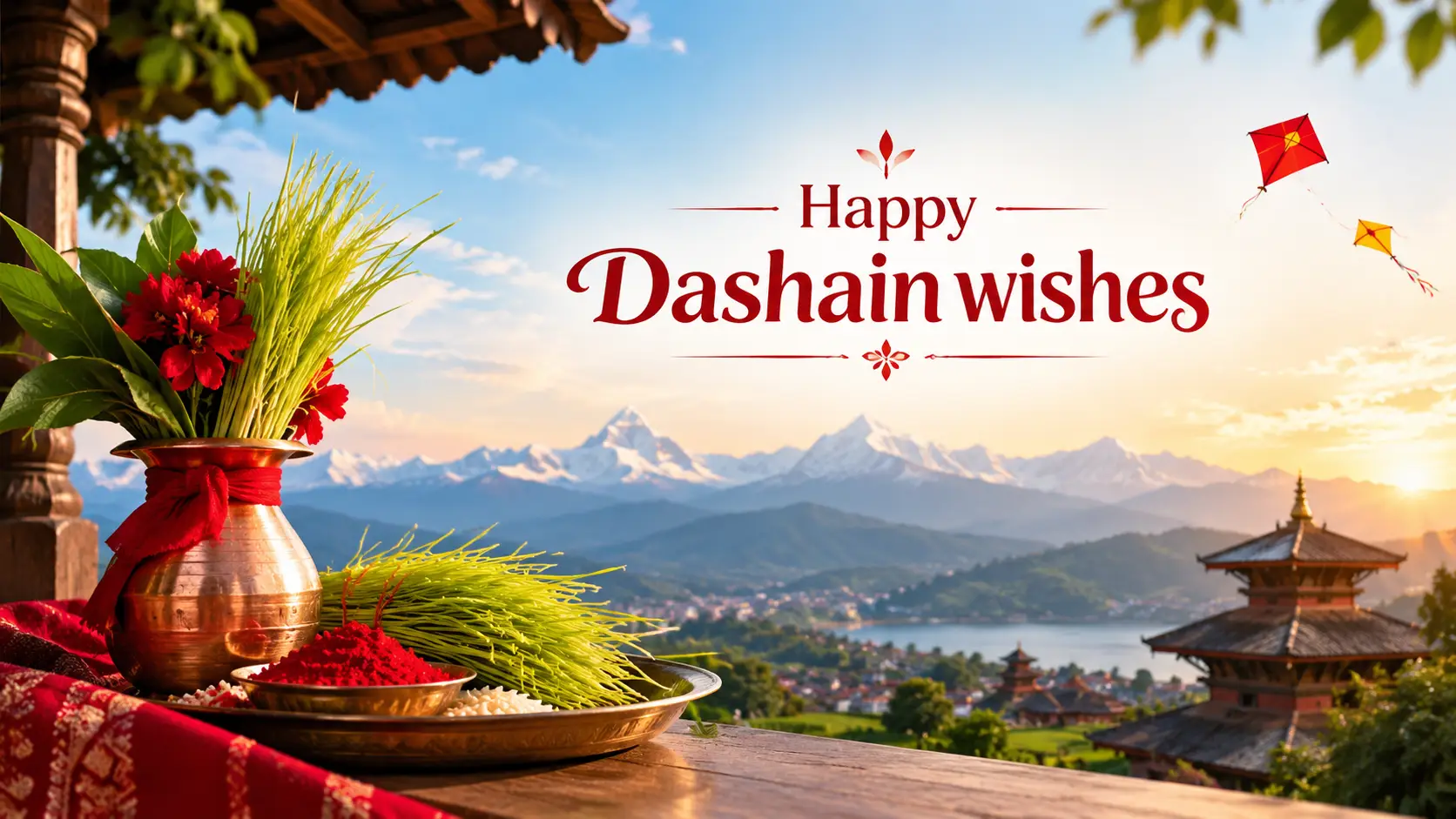
Quick answer: Happy Dashain wishes in Nepali are short blessings shared during Bada Dashain and Vijaya Dashami that invoke tika, jamara, elders' blessings, and wishes for health, peace and prosperity. In 2026, Dashain runs from Ghatasthapana on Sunday, 11 October 2026 (Ashwin 25, 2083 BS) to Kojagrat Purnima on Sunday, 25 October 2026 (Kartik 8), with Vijaya Dashami (Tika day) on Wednesday, 21 October 2026 (Kartik 4, 2083 BS). The Nepal Panchang Nirnayak Bikas Samiti has fixed the best tika time at 10:26 AM. Every message below has a one-tap Copy button, an optional name field to personalise it, and direct send buttons for WhatsApp, Messenger, Viber, SMS and Email.
Most "Dashain wishes" pages hand you one long, undifferentiated list and leave the hardest part to you: deciding which message is right for whom, on which app. The wish you send your manager is not the wish you send your best friend. A 40-word blessing that reads beautifully on WhatsApp gets split into several parts as an SMS. A message written with तिमी will quietly offend an elder who expects तपाईं.
So this page is organised the way you actually send: first by platform (WhatsApp, Messenger, Viber, SMS, Email — each with the right length and tone), then by relationship (family, siblings, friends, office colleagues, boss, teachers, students, clients, partner, and Nepalis abroad), and then by day of the festival. Every wish is original, written in natural Nepali, and formatted to be sent as-is.
✍️ Personalise every wish with a name (optional)
The names are added when you copy or send — nothing is saved or uploaded.
Dashain 2026 Dates & Tika Sait (2083 BS) — Know the Day Before You Send
Timing matters more than most people realise. A Vijaya Dashami blessing sent on Ghatasthapana morning reads as if you didn't know the calendar. Here is the 2083 schedule as announced by the Nepal Panchang Nirnayak Bikas Samiti, so you send the right message on the right day.
Dashain 2026 (2083 BS) day-by-day schedule
Day
Date (AD)
Date (BS)
What to send
Ghatasthapana
Sunday, 11 Oct 2026
Ashwin 25, 2083
"दशैं सुरु भयो" — festival-opening wishes (sait: 11:47 AM)
Fulpati
Saturday, 17 Oct 2026
Ashwin 31, 2083
Short greetings; travel-safe wishes for people heading home
Maha Ashtami
Sunday, 18 Oct 2026
Kartik 1, 2083
Durga-focused blessings
Maha Navami
Tuesday, 20 Oct 2026
Kartik 3, 2083
Wishes for businesses, drivers and workshops — tools and vehicles are worshipped on Navami
Vijaya Dashami (Tika)
Wednesday, 21 Oct 2026
Kartik 4, 2083
The main day — tika & jamara blessings. Best tika sait: 10:26 AM
Kojagrat Purnima
Sunday, 25 Oct 2026
Kartik 8, 2083
Closing wishes; Lakshmi and prosperity blessings
One detail almost every page gets wrong: Vijaya Dashami is not simply the tenth calendar day after Ghatasthapana. In 2083 one tithi stretches across two calendar days, so Tika lands on the eleventh calendar day — 21 October, not 20 October. That is also why there is no named festival day on Monday, 19 October (Kartik 2), which the government has made an additional Dashain holiday.
Tika sait 2083: the Samiti's notice of Ashwin 20 fixes the most auspicious moment for receiving tika at 10:26 AM on Kartik 4, after Devi Visarjan, with the person receiving tika facing west. The sait matters for those who follow it strictly; for everyone else, tika can be given and received throughout Vijaya Dashami and on the following days up to Kojagrat Purnima.
How to use this page: tap Copy on any message to put it on your clipboard, or tap WhatsApp / Viber / SMS / Email to open that app with the message already written. Open "Personalise every wish" in the search bar to add the recipient's name and your sign-off to whatever you copy. Use the search box to filter all 165+ wishes instantly — type "gurumaa", "client", "jamara" or any Nepali word.
Part 1 — Dashain Wishes Sorted by Platform
Each app has its own unwritten rules. WhatsApp rewards warmth and emoji. Viber is where the family group lives, so messages are addressed to everyone at once. SMS is hard-capped and every extra part costs money. Email needs a subject line and a sign-off. These sections are written to those constraints, not copy-pasted between them.
📗 Happy Dashain Wishes for WhatsApp (2026 / 2083)
WhatsApp is the default for one-to-one Dashain wishes in Nepal. The sweet spot is two lines — long enough to feel personal, short enough to read without tapping "Read more". Emoji are expected here.
तपाईं र तपाईंको परिवारमा बडादशैं २०८३ को हार्दिक मंगलमय शुभकामना! यो दशैंले घरमा हाँसो र मनमा शान्ति ल्याओस्। 🙏🚩
रातो टीका, हरियो जमरा र जेठाबडाको आशीर्वादले तपाईंको यो वर्ष सफलताले भरियोस्। शुभ विजयादशमी! 🌺
दुर्गा भवानीको कृपाले तपाईंको बाटोका सबै अप्ठ्यारा हटून् र हरेक प्रयास सफल होस्। शुभ दशैं! 🚩
यो दशैंमा टाढा रहेका आफन्त नजिक होऊन्, रिसाएका मन फेरि जोडिऊन्। हार्दिक शुभकामना! ❤️
पिङको उचाइ जस्तै तपाईंको प्रगति माथि माथि बढ्दै जाओस्। शुभ बडादशैं! 🎋
नयाँ लुगा, मिठो परिकार, आफन्तको भेट र आमाको आशीर्वाद — तपाईंको दशैं यस्तै पूर्ण होस्। 🙏
असत्यमाथि सत्यको विजयको यो पर्वले तपाईंलाई साहस, सद्बुद्धि र धैर्य प्रदान गरोस्। शुभ विजयादशमी! 🌼
तपाईंको घरमा लक्ष्मी, मनमा शान्ति, कर्ममा सफलता र जीवनमा निरोगी स्वास्थ्य रहोस्। शुभ दशैं! 🚩
जमरा जस्तै तपाईंको आशा सधैं हरियो रहोस्, टीका जस्तै भाग्य उज्यालो होस्। ❤️🌾
यो दशैंले वर्षभरिको थकान मेटाओस् र नयाँ जोश भरोस्। तपाईं र परिवारलाई हार्दिक शुभकामना! 🙏
दशैंको खुसी बाँडौँ, मनको दूरी घटाऔँ। बडादशैंको धेरै धेरै शुभकामना! 🌺
भेटघाट, हाँसो, आशीर्वाद र मायाले भरिएको दशैं तपाईंलाई प्राप्त होस्। शुभ दशैं २०८३! 🚩
💬 Dashain Messages for Facebook Messenger
Messenger skews younger and more casual — short bursts, informal तिमी, and a playful tone. These work as replies inside an existing chat rather than as a formal greeting. (Messenger has no way to pre-fill text, so the Messenger button copies the wish and opens Messenger for you to paste.)
दुर्गा माताले तिम्रा सबै इच्छा पूरा गरून्। शुभ विजयादशमी! 🙏
यो दशैंले तिम्रो मनको भारी हटाओस् र अनुहारमा मुस्कान फर्काओस्। ❤️
टाढै भए पनि मायाचाहिँ नजिकै छ। शुभ दशैं, साथी! 🌺
दशैंको शुभकामना! यो वर्ष तिम्रो हरेक मेहनतले मीठो फल देओस्। 🌾
💜 Dashain Wishes for Viber Groups (Family & Community)
In Nepal, Viber is where the extended family group and the community group live. A Viber message is read by twenty people at once, so it should address the group collectively — never a single person — and stay respectful. The Viber button works on phones with Viber installed; on a computer, use Copy.
सम्पूर्ण आफन्तजनमा बडादशैं २०८३ को हार्दिक मंगलमय शुभकामना। यो पर्वले हाम्रो परिवारलाई सधैं जोडिराखोस्। 🙏
माता दुर्गाको नवरूपले तपाईं सबैलाई नौ प्रकारको शक्ति र आशीर्वाद प्रदान गरून्। शुभ विजयादशमी!
घरका जेठाबडाबाट टीका–जमरा पाउने यो अवसरले सबैको जीवन उज्यालो बनाओस्। शुभ दशैं २०८३!
यो दशैंमा समूहका सम्पूर्ण साथीहरूमा सुख, शान्ति र समृद्धिको हार्दिक कामना गर्दछु। 🚩
हामी जहाँ भए पनि दशैंको माया र सम्झना उस्तै छ। सबैलाई हार्दिक शुभकामना! ❤️
टीकाको रातो रङले सबैको भाग्य चम्कियोस्, जमराको हरियालीले जीवन हराभरा बनोस्। शुभ बडादशैं!
सम्पूर्ण नेपाली दाजुभाइ तथा दिदीबहिनीमा बडादशैंको शुभकामना। सद्भाव र एकता बढ्दै जाओस्। 🇳🇵
यस पावन अवसरमा तपाईं सबैको स्वास्थ्य, दीर्घायु र प्रगतिको कामना गर्दछु। शुभ दशैं!
📱 Short Dashain SMS in Nepali (Under 70 Characters — One SMS)
This is the section competitors skip entirely. An SMS written in Devanagari uses Unicode encoding, which caps one message at 70 characters — not the 160 you get in English. Longer Nepali texts split into multiple billed parts of 67 characters each and may arrive out of order on older handsets. Every message below fits in one SMS, and each shows its live character count (adding a name may push it into a second part — the counter will tell you).
बडादशैंको हार्दिक मंगलमय शुभकामना!
शुभ विजयादशमी! टीका र जमराले भाग्य उज्यालो बनाओस्।
दशैंको शुभकामना! हरेक दिन शुभ, हरेक प्रयास सफल होस्।
दुर्गा माताको कृपा तपाईंको परिवारमा रहोस्। शुभ दशैं!
शुभ दशैं! हाँसोले घर भरियोस्, आशीर्वादले जीवन भरियोस्।
यो दशैंले नयाँ आशा र नयाँ सफलता ल्याओस्। शुभकामना!
टीकाको रातो, जमराको हरियो — जीवन यस्तै रंगीन होस्।
बडादशैं २०८३ को शुभकामना! स्वस्थ, सुखी र सफल रहनुहोस्।
शुभ विजयादशमी! सत्यको विजय सधैं साथमा रहोस्।
शुभ दशैं! परिवारसँगको हरेक पल अमूल्य बनोस्।
जेठाबडाको आशीर्वादले बाटो सधैं सहज होस्। शुभ दशैं!
Shubha Dashain 2083! Peace, health and prosperity to you.
SMS tip: if you need to send Dashain wishes to a long contact list, the Roman Nepali versions fit up to 160 characters in a single billed SMS instead of splitting into three. For a bulk send, that is a real cost difference. Avoid emoji and curly quotes in Roman SMS — a single emoji switches the whole message to Unicode and drops the limit back to 70.
✉️ Professional Dashain Email Templates (Subject Line + Body)
Email is the one channel where a copy-pasted WhatsApp blessing looks careless. These templates include a subject line, a proper salutation and a sign-off, and are written for a business inbox. Replace the bracketed fields before sending.
Template 1 — To a client (Nepali)
Subject: बडादशैं २०८३ को हार्दिक शुभकामना — [तपाईंको कम्पनीको नाम]
आदरणीय [ग्राहकको नाम] ज्यू,बडादशैंको पावन अवसरमा तपाईं र तपाईंको परिवारमा हार्दिक मंगलमय शुभकामना व्यक्त गर्दछौँ।वर्षभरि तपाईंले हामीमाथि राख्नुभएको विश्वास नै हाम्रो सबैभन्दा ठूलो पुँजी हो। यो विजयादशमीले तपाईंको व्यवसायमा प्रगति र घरमा सुख–शान्ति ल्याओस् भन्ने कामना गर्दछौँ।शुभकामना सहित,
[तपाईंको नाम]
[पद], [कम्पनी]
Dear Team,Wishing you and your families a joyful and peaceful Bada Dashain 2083.Our office will remain closed from [start date] to [end date] for the festival, reopening on [reopen date]. For anything urgent during this period, please contact [name] at [number].Thank you for a strong year of work. Travel safely, rest properly, and come back with fresh energy.शुभ विजयादशमी!
[Your name]
Template 3 — To a senior / boss (formal Nepali)
Subject: विजयादशमीको हार्दिक शुभकामना
आदरणीय [सर/म्याम],बडादशैंको शुभ अवसरमा तपाईं र तपाईंको परिवारमा हार्दिक मंगलमय शुभकामना।तपाईंको मार्गदर्शन र सहयोगका लागि हार्दिक आभार। यस पावन पर्वले तपाईंलाई निरोगी स्वास्थ्य, दीर्घायु र निरन्तर सफलता प्रदान गरोस्।सादर,
[तपाईंको नाम]
Template 4 — To an international client or partner (English)
Subject: Warm wishes for Dashain, Nepal's biggest festival
Hi [Name],A short note to let you know that Nepal is celebrating Dashain — our largest festival of the year — from 11 to 25 October 2026, with the main Vijaya Dashami day on 21 October.Our team will have limited availability around [dates]. Anything urgent will still be covered by [name / channel].Wishing you and your family health, prosperity and a good season ahead.Warm regards,
[Your name]
Template 5 — Customer broadcast / newsletter
Subject: शुभ दशैं! Wishing you tika, jamara and a great year ahead 🚩
नमस्ते [First name],बडादशैं २०८३ को हार्दिक मंगलमय शुभकामना!This Dashain, we want to say one simple thing — thank you. Your support through the year is what kept us going.May the blessings of Vijaya Dashami bring health, success and happiness to your home.शुभकामना सहित,
Team [Company]
Nepali is a language with built-in respect levels. Using the wrong one is the single most common mistake in a rushed Dashain message. As a rule: तपाईं (or हजुर) for anyone older than you, any teacher, any client and anyone senior at work; तिमी for friends, siblings and juniors you are close to; तँ only for very close childhood friends. Every section below is already written at the right level.
👨👩👧 Dashain Wishes for Family, Parents & Elders
Formal तपाईं throughout. These centre on receiving tika and blessings rather than giving them — which is the correct direction when you are the younger person.
बुवा–आमा, तपाईंहरूको हातको टीका र आशीर्वाद नै मेरो जीवनको सबैभन्दा ठूलो सम्पत्ति हो। शुभ दशैं! 🙏
तपाईंहरूको आशीर्वादले नै म यहाँसम्म आइपुगेँ। यो दशैंमा पनि उही माया र आशीर्वाद पाऊँ।
घरको टीका, आमाको भान्सा र बुवाको सल्लाह — दशैंको असली अर्थ यही हो। शुभ बडादशैं!
जेठाबडा सबैमा बडादशैंको हार्दिक मंगलमय शुभकामना। तपाईंहरूको स्वास्थ्य र दीर्घायुको कामना गर्दछु।
हजुरबुवा–हजुरआमा, हजुरहरूको आशीर्वादको छहारीमा हाम्रो परिवार सधैं सुरक्षित रहोस्। शुभ दशैं!
यो दशैंले हाम्रो परिवारमा माया अझ गहिरियोस् र सम्बन्ध अझ बलियो बनोस्। हार्दिक शुभकामना!
परिवारसँग मनाएको दशैं नै साँचो दशैं हो। तपाईंहरूलाई हार्दिक शुभकामना! ❤️
तपाईंहरूको आशीर्वादले मेरा हरेक योजना सफल बनून्। शुभ विजयादशमी!
घरको आँगनमा जमरा, मनमा श्रद्धा र सम्बन्धमा मिठास सधैं रहोस्। शुभ बडादशैं!
👫 Dashain Wishes for Brothers & Sisters (दाजुभाइ / दिदीबहिनी)
Warm and informal, with a bit of the teasing that actually happens between siblings at tika time. Elder siblings get तपाईं; younger ones get तिमी.
दाजु/दिदी, तपाईंको आशीर्वाद र साथ सधैं पाइरहूँ। शुभ दशैं! 🙏
भाइ/बहिनी, तिम्रो जीवनमा सफलता र खुसी सधैं रहोस्। शुभ बडादशैं! ❤️
झगडा पनि हामीसँगै, माया पनि हामीसँगै। शुभ दशैं, मेरो प्यारो दाजुभाइ–दिदीबहिनी!
टीका लगाउँदा पाएको आशीर्वादले तिम्रो हरेक सपना पूरा होस्। शुभ विजयादशमी!
बाल्यकालको दशैं सम्झँदा अझै मुस्कान आउँछ। तिमीलाई हार्दिक शुभकामना!
दक्षिणा त पाइहालिन्छ, तर तिम्रो माया नै सबैभन्दा ठूलो उपहार हो। शुभ दशैं! 🧧
यो दशैंले हाम्रो सम्बन्धलाई अझ बलियो र अझ मीठो बनाओस्। शुभकामना!
जहाँ भए पनि हामी एउटै परिवार हौँ। शुभ बडादशैं, मेरो प्यारो!
🤝 Dashain Wishes for Friends
Informal तिमी, slightly playful, safe to forward in a friends group.
साथी, यो दशैंले तिम्रो जीवनमा नयाँ अवसर र नयाँ खुसी ल्याओस्। शुभ दशैं!
कार्ड, पिङ, मिठो खाना र भरपूर हाँसो — तिम्रो दशैं यस्तै जमोस्! 🎉
शुभ बडादशैं! तिम्रो मेहनतले यो वर्ष मीठो फल देओस्।
दशैंको दक्षिणा जति पनि होस्, हाम्रो दोस्ती चाहिँ अमूल्य छ। शुभकामना! ❤️
तिम्रो हरेक दिन दशैं जस्तै रमाइलो बनोस्। शुभ विजयादशमी!
दुर्गा माताले तिमीलाई निडर, सफल र दयालु बनाऊन्। शुभ दशैं!
टाढा भए पनि मन सँगै छ। शुभ बडादशैं, मेरो साथी! 🙏
यो दशैंमा भेटौँ, गफ गरौँ, सँगै हाँसौँ। हार्दिक शुभकामना!
जमरा जस्तै तिम्रो जीवन सधैं हरियो रहोस्। शुभ दशैं!
पुराना गुनासा बिर्सौँ, नयाँ खुसी सुरु गरौँ। शुभ विजयादशमी!
तिम्रो घरमा खुसी, मनमा शान्ति र जेबमा दक्षिणा भरियोस्! 😄 शुभ दशैं!
शुभ बडादशैं २०८३! यो वर्ष तिम्रा सबै अधुरा काम पूरा होऊन्।
🏢 Dashain Wishes for Office Colleagues
Professional but human. These avoid religious specificity where possible, which matters in a mixed workplace, and never assume the recipient is travelling home.
सम्पूर्ण सहकर्मी साथीहरूमा बडादशैंको हार्दिक मंगलमय शुभकामना! यो पर्वले हाम्रो टिमलाई अझ बलियो बनाओस्।
वर्षभरिको मेहनतपछि यो दशैंले तपाईंलाई पूर्ण विश्राम र खुसी दिओस्। शुभ विजयादशमी!
कार्यालयको हाम्रो सहकार्य जस्तै तपाईंको जीवन पनि सफल र सन्तुलित रहोस्। शुभ दशैं!
तपाईं र तपाईंको परिवारलाई दशैंको हार्दिक शुभकामना। परिवारसँगको समय राम्रोसँग बितोस्।
नयाँ ऊर्जासहित दशैंपछि फेरि भेटौँला। शुभ बडादशैं! 🚩
वर्षभरिको सहयोग र साथका लागि हार्दिक धन्यवाद। दशैंको शुभकामना!
यो दशैंले हाम्रो टिममा नयाँ जोश र नयाँ सफलता ल्याओस्। शुभकामना!
दशैंको बिदा रमाइलोसँग बितोस्, टीका–जमराले जीवन उज्यालो बनोस्। शुभ दशैं!
🎯 Dashain Wishes for Your Boss or Senior
Strictly तपाईं, no emoji beyond 🙏, no jokes. Short is better than effusive — an overlong message to a senior reads as trying too hard.
आदरणीय सर/म्याम, तपाईं र तपाईंको परिवारमा बडादशैंको हार्दिक मंगलमय शुभकामना। 🙏
तपाईंको मार्गदर्शनले हामीलाई सधैं सही बाटो देखाएको छ। शुभ विजयादशमी!
यस पावन अवसरमा तपाईंको स्वास्थ्य, सफलता र दीर्घायुको कामना गर्दछु। शुभ दशैं!
तपाईंको नेतृत्वमा हाम्रो टिमले यो वर्ष पनि नयाँ उचाइ छोओस्। शुभ बडादशैं!
दुर्गा माताको कृपा तपाईं र तपाईंको परिवारमा सधैं रहोस्। शुभ दशैं २०८३!
तपाईंबाट पाएको सिकाइ मेरो जीवनको ठूलो सम्पत्ति हो। शुभ विजयादशमी!
📚 Dashain Wishes for Teachers (गुरु / गुरुआमा)
In Nepali culture a teacher is अक्षरदाता — the giver of letters — and is addressed with the same respect as a parent. These are phrased as blessings received, not blessings given.
आदरणीय गुरुज्यू, तपाईंको ज्ञान र आशीर्वादले मेरो बाटो सधैं उज्यालो छ। शुभ दशैं! 🙏
अक्षरदाताप्रति हार्दिक सम्मान सहित बडादशैंको मंगलमय शुभकामना।
तपाईंले सिकाउनुभएको कुरा जीवनभर काम लाग्ने रहेछ। शुभ विजयादशमी, गुरुज्यू!
तपाईंको स्वास्थ्य, सुख र दीर्घायुको कामना गर्दै दशैंको हार्दिक शुभकामना।
गुरुको आशीर्वाद टीका जस्तै पवित्र हुन्छ। शुभ बडादशैं!
विद्यालय/क्याम्पसका सम्पूर्ण गुरुहरूमा दशैंको हार्दिक मंगलमय शुभकामना।
तपाईंको प्रेरणाले नै मलाई अगाडि बढ्ने हिम्मत दिएको छ। शुभ दशैं!
यो दशैंले तपाईंको जीवनमा शान्ति र सन्तुष्टि ल्याओस्। शुभ विजयादशमी!
🎒 Dashain Wishes for Students (from a Teacher or Senior)
For teachers, class teachers and seniors sending to a class group. Encouraging, not preachy.
प्रिय विद्यार्थीहरू, दशैंको बिदा रमाइलोसँग बिताउनुहोस् र नयाँ ऊर्जासहित फर्कनुहोस्। शुभ दशैं!
यो दशैंले तपाईंहरूको पढाइमा नयाँ उत्साह भरोस्। शुभ विजयादशमी!
टीका–जमराको आशीर्वादले तपाईंहरूको हरेक परीक्षा सफल बनोस्। शुभ बडादशैं!
परिवारसँग रमाइलो गर्नुहोस्, तर पुस्तक पनि नबिर्सनुहोस्! 😊 शुभ दशैं!
सरस्वती र दुर्गा दुवैको कृपा तपाईंहरूमा रहोस्। शुभ विजयादशमी!
दशैंको खुसीसँगै तपाईंहरूको सपना पनि ठूलो होस्। शुभ बडादशैं २०८३!
💼 Dashain Wishes for Clients & Customers
Written to be sendable from a business account without sounding like an ad. Two English options are included for international clients.
आदरणीय ग्राहक महानुभाव, तपाईं र तपाईंको परिवारमा बडादशैं २०८३ को हार्दिक मंगलमय शुभकामना।
तपाईंको विश्वास नै हाम्रो सबैभन्दा ठूलो पुँजी हो। शुभ विजयादशमी!
यो दशैंले तपाईंको व्यवसायमा प्रगति र घरमा खुसी ल्याओस्। हार्दिक शुभकामना!
वर्षभरिको साथ र सहकार्यका लागि हार्दिक धन्यवाद। शुभ बडादशैं!
दशैंको यो पावन अवसरमा हाम्रो टिमबाट तपाईंलाई शुभकामना। सेवा गर्ने अवसर पाइरहूँ।
तपाईंको सहकार्यले हामीलाई नयाँ उचाइमा पुर्याएको छ। शुभ दशैं २०८३!
Wishing you and your family a joyful Dashain 2026. Thank you for trusting us this year.
May this Vijaya Dashami bring growth, prosperity and lasting success to your business. Happy Dashain!
❤️ Dashain Wishes for Husband, Wife, Girlfriend or Boyfriend
तिम्रो साथ नै मेरो लागि दशैंको सबैभन्दा ठूलो उपहार हो। शुभ दशैं! ❤️
यो दशैंको टीका जस्तै तिम्रो मुस्कान सधैं चम्किरहोस्।
जमरा हरियो, टीका रातो, र मेरो मन तिमीमै अड्किएको। शुभ विजयादशमी! 😊
टाढा भए पनि तिम्रो सम्झनाले मेरो दशैं पूरा भयो। शुभ बडादशैं!
तिम्रो हरेक दिन खुसीले भरियोस्, हरेक सपना पूरा होस्। शुभ दशैं, मेरो प्रिय!
दुर्गा माताले हाम्रो सम्बन्धलाई सधैं बलियो बनाऊन्। शुभ विजयादशमी! ❤️
यो दशैंमा मेरो एउटै कामना — तिमी सधैं खुसी रहू। शुभ बडादशैं!
✈️ Dashain Wishes for Nepalis Abroad (परदेशी दशैं)
Written for both directions — for those sending home from abroad, and for families sending to someone who couldn't make it back for tika. Tip: the 10:26 AM sait is Nepal time, so for someone in Doha or Sydney, send your wish a little before their morning, not yours.
परदेशमा छु, तर मन घरकै आँगनमा छ। घरका सबैलाई शुभ बडादशैं! 🇳🇵❤️
यो वर्ष टीका लगाउन आउन सकिनँ, तर आशीर्वाद चाहिँ मनैमा छ। शुभ दशैं!
समय फरक होला, माया उस्तै छ। घरका सबैलाई शुभ विजयादशमी!
परदेशी सम्पूर्ण नेपाली दाजुभाइ दिदीबहिनीमा बडादशैंको हार्दिक शुभकामना।
आमाको हातको टीका र भान्साको सम्झना नै मेरो दशैं हो। शुभ दशैं!
जहाँ भए पनि नेपालीपन र दशैंको माया उस्तै रहोस्। शुभ बडादशैं २०८३!
भिडियो कलमै भए पनि टीका लगाऔँ! घरका सबैलाई शुभ दशैं। 📱🙏
यो दशैंले सबै परदेशी मनलाई घरको न्यानो पुर्याओस्। शुभ विजयादशमी!
Part 3 — Dashain Wishes for Each Day (Ghatasthapana to Kojagrat)
Most people only send one wish, on Tika day. Sending a short, day-appropriate line earlier in the festival is what makes a message stand out — nobody else is doing it. Each card below is tagged with the day it belongs to.
Ghatasthapana · 11 Oct
घटस्थापनासँगै दशैं भित्रियो! जमरा जस्तै तपाईंको जीवनमा पनि नयाँ आशा अंकुराओस्। शुभ घटस्थापना! 🌱
Ghatasthapana · 11 Oct
नवरात्रिको पहिलो दिन, माता शैलपुत्रीको कृपा तपाईं र परिवारमा रहोस्। बडादशैंको सुरुवातको शुभकामना!
Fulpati · 17 Oct
फूलपाती भित्रियो, दशैं घर आयो! घर फर्कनेहरूको यात्रा सुरक्षित र सुखद होस्। शुभ फूलपाती! 🌸
Fulpati · 17 Oct
लामो बाटो, भीडभाडको बस — तर अन्त्यमा आमाको अँगालो। सुरक्षित घर पुग्नू! शुभ दशैं।
Maha Ashtami · 18 Oct
महाअष्टमीको पावन दिनमा माता महागौरीले तपाईंका सबै दुःख हरून्। शुभ महाअष्टमी! 🚩
Maha Navami · 20 Oct
महानवमीमा माता सिद्धिदात्रीले तपाईंका सबै कार्य सिद्ध गरून्। शुभ महानवमी! 🙏
Maha Navami · 20 Oct
आज औजार र सवारीको पूजा — तपाईंको व्यवसाय र यात्रा सधैं सुरक्षित र फलदायी होस्। शुभ महानवमी!
Tika eve · 20 Oct
भोलि टीका! भोलि बिहान १०:२६ को साइतमा जेठाबडाको आशीर्वाद थाप्न तयार हुनुहोस्। शुभ विजयादशमीको अग्रिम शुभकामना!
Kojagrat Purnima · 25 Oct
कोजाग्रत पूर्णिमाको रात माता लक्ष्मीले तपाईंको घरमा सुख, धन र समृद्धि बर्साऊन्। शुभ कोजाग्रत पूर्णिमा! 🌕
Kojagrat Purnima · 25 Oct
दशैं सकियो, तर टीकाको आशीर्वाद र भेटघाटको माया वर्षभरि साथमा रहोस्। अब तिहारको तयारी! 🪔
🌐 Happy Dashain Wishes in English (for Friends Who Don't Read Nepali)
For colleagues abroad, international friends and the second generation. Simple, warm, and with just enough explanation that the recipient understands what Dashain is.
Happy Dashain 2026! May the red tika bring you good fortune and the green jamara bring growth to everything you do.
Wishing you and your family a joyful Vijaya Dashami. May good always win over evil in your life, just as it does in the story of this festival.
Happy Dashain! May the blessings of Goddess Durga give you strength, courage and peace this year.
Dashain is Nepal's biggest festival — a time for family, blessings and new beginnings. Sending you all three today. Happy Dashain!
Miles away, but the blessings travel. Happy Dashain to you and everyone at home!
Happy Vijaya Dashami! Health to your family, success to your work, and many happy reunions this season.
🔤 Dashain Wishes in Roman Nepali (For Phones Without Nepali Font)
A gap none of the big Dashain pages fill. Many second-generation Nepalis abroad speak Nepali fluently but cannot read Devanagari, and some older handsets and smartwatches render Nepali script as boxes. These Roman Nepali versions also fit a single 160-character SMS, which Devanagari does not.
Bada Dashain ko hardik mangalmaya shubhakamana! Tapai ra tapai ko pariwar ma sukha, shanti ra samriddhi chhaos.
Shubha Vijayadashami! Tika ra jamara le tapai ko bhagya ujyalo banaos.
Yo Dashain le tapai ko jiwan ma naya asha ra naya safalta lyaos. Shubha Dashain 2083!
Durga Mata ko kripa tapai ra tapai ko pariwar ma sadhain rahos. Shubha Dashain!
Timro har din Dashain jastai ramailo banos. Shubha Bada Dashain, sathi!
Jethabada ko ashirwad le timro bato sadhain sahaj hos. Shubha Vijayadashami!
Hasho le ghar bhariyos, ashirwad le jiwan bhariyos. Shubha Dashain!
Tika ko rato ra jamara ko hariyo - timro jiwan pani yastai rangin hos!
Ghar ma khushi, man ma shanti, jiwan ma pragati rahos. Shubha Dashain!
Pardesh ma bhaye pani maya ustai chha. Ghar ka sabai lai Shubha Dashain!
📸 Short Dashain Status & Captions (Facebook, Instagram, TikTok)
One line each, caption-length, with hashtags where they help reach.
टीका रातो, जमरा हरियो, मन खुसी। 🚩 #ShubhaDashain2083
दशैं मात्र चाड होइन, घर फर्कने बहाना हो। ❤️ #Dashain2026
आमाको हातको टीका > संसारको जुनसुकै उपहार। 🙏
वर्षमा एक पटक सबै सँगै — त्यही नै दशैं हो।
पिङ, कार्ड, परिकार र परिवार। दशैं सेट! 🎋
शुभ विजयादशमी २०८३ 🚩 सत्यको विजय होस्।
नयाँ लुगा होइन, नयाँ आशा बोकेर आयो दशैं।
दक्षिणा कम, आशीर्वाद धेरै। 😄🧧
घर फर्कँदाको खुसी नापिँदैन। #Dashain2026 #Nepal
जमरा जस्तै हरियो रहोस् जिन्दगी। 🌾
दशैंको सबैभन्दा मिठो स्वाद — आफन्तको भेट।
शुभ बडादशैं! खुसी बाँडौँ, माया बढाऔँ। ❤️🚩
🕊️ Messages for a Family in Mourning This Dashain
A family that has lost someone within the past year usually does not celebrate Dashain or receive tika. Sending them a cheerful "हार्दिक मंगलमय शुभकामना" is one of the most hurtful mistakes people make — usually by accident, from a broadcast list. For these families, skip the celebration words entirely and send something quiet instead. No emoji, no "happy".
यस वर्षको दशैंमा हामी तपाईं र तपाईंको परिवारलाई सम्झिरहेका छौँ। जे चाहिए पनि भन्नुहोला।
दशैंको यो समय तपाईंहरूका लागि सजिलो नहोला। हाम्रो माया र साथ सधैं तपाईंहरूसँग छ।
यो वर्ष चाड मनाउने अवस्था नभए पनि तपाईंहरूको मनमा शान्ति र धैर्य रहोस् भन्ने कामना गर्दछौँ।
Thinking of you and your family this Dashain. We are here if you need anything at all.
Dashain Words Used in These Wishes — Quick Glossary
Useful if you are writing your own message, or sending one of these to someone who grew up outside Nepal.
टीका (Tika)Red paste of rice, yoghurt and vermilion that elders place on the forehead on Vijaya Dashami.
जमरा (Jamara)Yellow-green barley shoots sown on Ghatasthapana and given with tika as a blessing.
साइत (Sait)The auspicious moment. In 2083, 10:26 AM on Kartik 4 for receiving tika.
दक्षिणा (Dakshina)Money elders give with tika — the part children look forward to most.
फूलपाती (Fulpati)The seventh day, when sacred flowers and leaves are brought into the Dashain ghar.
विजयादशमी (Vijaya Dashami)"The victorious tenth" — the main tika day, marking good's victory over evil.
कोजाग्रत पूर्णिमा (Kojagrat Purnima)The full-moon night that closes Dashain, devoted to Lakshmi.
जेठाबडा (Jethabada)Elders of the family — the people you receive tika and blessings from.
Dashain Wishing Etiquette: 8 Mistakes People Make Every Year
Using तिमी with an elder. The fastest way to make a warm message land badly. Anyone older than you, any teacher and any client gets तपाईं. When unsure, default to तपाईं — over-formality is never taken as an insult.
Sending the tika blessing before Tika day. "टीका र जमराले…" only makes sense from Vijaya Dashami onward. Before that, use the day-wise wishes or the festival-opening wishes.
Blessing an elder. In Nepali custom blessings flow downward. A younger person receives आशीर्वाद; they don't grant it. Write "तपाईंको आशीर्वाद पाऊँ", not "म तपाईंलाई आशीर्वाद दिन्छु".
Broadcasting to a client list with a visible recipient field. Use BCC or a proper mail tool. A Dashain email that exposes 300 customer addresses is a privacy incident, not a greeting.
Assuming everyone celebrates. Nepal's workplaces are mixed. For a company-wide message, "Wishing everyone celebrating a joyful Dashain, and a restful break to all" is warmer than an assumption.
Sending "happy" wishes to a family in mourning. Check your broadcast list for anyone who lost a family member this year, and send them a quiet message instead.
Sending one 300-character Nepali SMS. It bills as five messages and often arrives scrambled. Use the short SMS section or the Roman Nepali versions.
Forwarding a message that still carries someone else's name. Check the end of every forwarded wish before you hit send. It happens more than you'd think.
What I Learned Sending 400 Dashain Messages in One Morning
A few Dashains ago I decided to wish every client, every colleague and every extended-family contact personally instead of posting one status. By 11 a.m. on Tika day I had sent well over four hundred messages, and I learned three things the hard way.
First, the same message to everyone gets noticed — negatively. Two clients replied within minutes with the exact same forwarded blessing I had sent them — they had received it from someone else's broadcast too. Generic wishes are recycled so heavily in Nepal that people can spot them instantly. A message that names the person, or references something specific ("hope the drive to Pokhara was smooth"), gets a real reply. A forwarded one gets a thumbs-up at best. That is why every wish on this page now has a name field.
Second, the channel changes the message more than the recipient does. I had written one "professional" wish and reused it across email, Viber and SMS. On email it read fine. On Viber it looked cold and stiff next to everyone else's warm group messages. On SMS it split into three parts and the middle one arrived last. That experience is exactly why this page is built platform-first — it's the mistake that costs you the most and the one nobody warns you about.
Third, timing beats wording. Messages sent on Tika morning, before families sit down for the sait, got replies. The identical message sent at 4 p.m. mostly vanished into a backlog of a hundred unread chats. This year the sait is 10:26 AM, so send between roughly 8 and 10 a.m. on 21 October — earlier rather than longer.
Why This Dashain Wishes Collection Is Different
If you have searched "Dashain wishes in Nepali" before, you already know what the top results look like: a hundred numbered blessings in one column, no structure, and a copy button if you're lucky. Here is what is missing from them, and what this page does instead.
What readers actually need
Typical Dashain wishes page
This page
Wishes sorted by the app you'll send from
One undivided list
5 platform sections — WhatsApp, Messenger, Viber, SMS, Email, each with matching length and tone
Professional relationships
Family and friends only
Colleagues, boss, teachers, students, clients — with the correct respect level built in
Messages that don't look forwarded
Not possible
Name personalisation — add their name and your sign-off to any wish in one step
Ready-to-send email format
Not covered
5 full templates with subject lines and sign-offs
Correct 2083 BS dates and sait
Usually missing or from a past year
Full 2083 schedule with the 10:26 AM tika sait and a live "today" banner
Wishes for each festival day
Tika day only
Day-wise wishes from Ghatasthapana to Kojagrat Purnima
Readable without Devanagari
Devanagari only
English and Roman Nepali sections for diaspora readers and older phones
SMS character reality
Ignored
Live character counter and a note on the 70-character Unicode SMS limit
Families who aren't celebrating
Ignored
Mourning-year messages that don't say "happy"
Finding the right wish fast
Endless scrolling
Instant search across all 165+ messages and email templates
Cultural correctness
Assumed
Etiquette section covering तपाईं vs तिमी and the direction of blessings
Make Your Dashain Wish Look as Good as It Reads
A message lands harder when it arrives with a card. If you're sending to clients or posting for a business, a branded Dashain graphic alongside the text is the difference between a greeting people scroll past and one they screenshot.
What is the most common Happy Dashain wish in Nepali?
The most widely used line is "बडादशैंको हार्दिक मंगलमय शुभकामना" — roughly, "heartfelt and auspicious wishes on the occasion of Bada Dashain". It is appropriate for every relationship and every platform, which is exactly why it is so common. Pair it with one personal line, or the person's name, so it doesn't read as a forward.
When is Dashain Tika in 2026 (2083 BS), and what is the tika sait?
Vijaya Dashami — Tika day — falls on Wednesday, 21 October 2026, which is Kartik 4, 2083 BS. The Nepal Panchang Nirnayak Bikas Samiti has fixed the most auspicious time for receiving tika at 10:26 AM Nepal time, with the receiver facing west. Dashain begins with Ghatasthapana on 11 October 2026 (Ashwin 25, 2083) and ends with Kojagrat Purnima on 25 October 2026 (Kartik 8). Tika can still be received on any day up to Kojagrat Purnima.
Should I use तपाईं or तिमी in a Dashain message?
Use तपाईं for anyone older than you, any teacher, any client, and anyone senior at work. Use तिमी for close friends, younger siblings and juniors you know well. If you genuinely aren't sure, use तपाईं — excessive formality is never taken as rude in Nepali, while excessive familiarity can be.
How do I write a Dashain wish to a client without sounding like an advertisement?
Three rules. Lead with the greeting rather than your brand. Thank them for something specific rather than for "your valued business". And include no offer, discount code or call to action — a festival message that sells is read as a sales message with a festival attached. The client email template above follows all three.
Can I send these Dashain wishes as SMS?
Yes, but check the length. Nepali written in Devanagari uses Unicode encoding, which limits a single SMS to 70 characters rather than 160. The short SMS section on this page is written to stay within that, and each message shows its live character count. For bulk sends, the Roman Nepali versions fit up to 160 characters into one billed message — as long as they contain no emoji.
What is the difference between "Happy Dashain" and "Shubha Vijayadashami"?
"Happy Dashain" (शुभ दशैं) covers the whole fifteen-day festival and can be sent from Ghatasthapana onward. "Shubha Vijayadashami" (शुभ विजयादशमी) refers specifically to the tenth tithi — Tika day — so it is best used from 21 October 2026 onward. Sending Vijayadashami wishes in the first week is a small but noticeable mismatch.
What should I send to a family that is in mourning during Dashain?
Families who have lost someone in the past year usually do not celebrate Dashain or receive tika. Don't send them "happy" or "मंगलमय" wishes. A quiet message that says you are thinking of them and are there if they need anything is the respectful choice — see the mourning section above for ready-to-send examples.
Are these Dashain wishes free to copy and share?
Yes. Every message on this page is original and free to copy, forward and post on any platform. Tap the Copy button on any card, or use the direct send buttons to open WhatsApp, Viber, Messenger, SMS or email with the text already filled in.
How do I type Dashain wishes in Nepali on my own phone or laptop?
On Android and iOS, add the Nepali keyboard under Settings → Language & input (Android) or Settings → General → Keyboard (iPhone). On Windows, add the Nepali (Nepal) language pack. If you already type in Preeti or another legacy font, convert your text to Unicode before sending — Preeti text pasted into WhatsApp or SMS arrives as unreadable characters on the recipient's phone, since only Unicode renders reliably across devices. A free Preeti to Unicode converter does this in one step.
Send the Right Wish, to the Right Person, on the Right Day
Dashain is the one time of year when almost every Nepali is reachable and almost every message gets opened. That makes it worth thirty extra seconds: pick the section that matches your relationship, pick the platform you're actually sending from, add their name, tap Copy, and add one line that only you could have written.
Bookmark this page before 21 October 2026 — Tika morning, with the sait at 10:26 AM, is not when you want to be searching. And when the tika dries, Tihar is only two weeks behind.
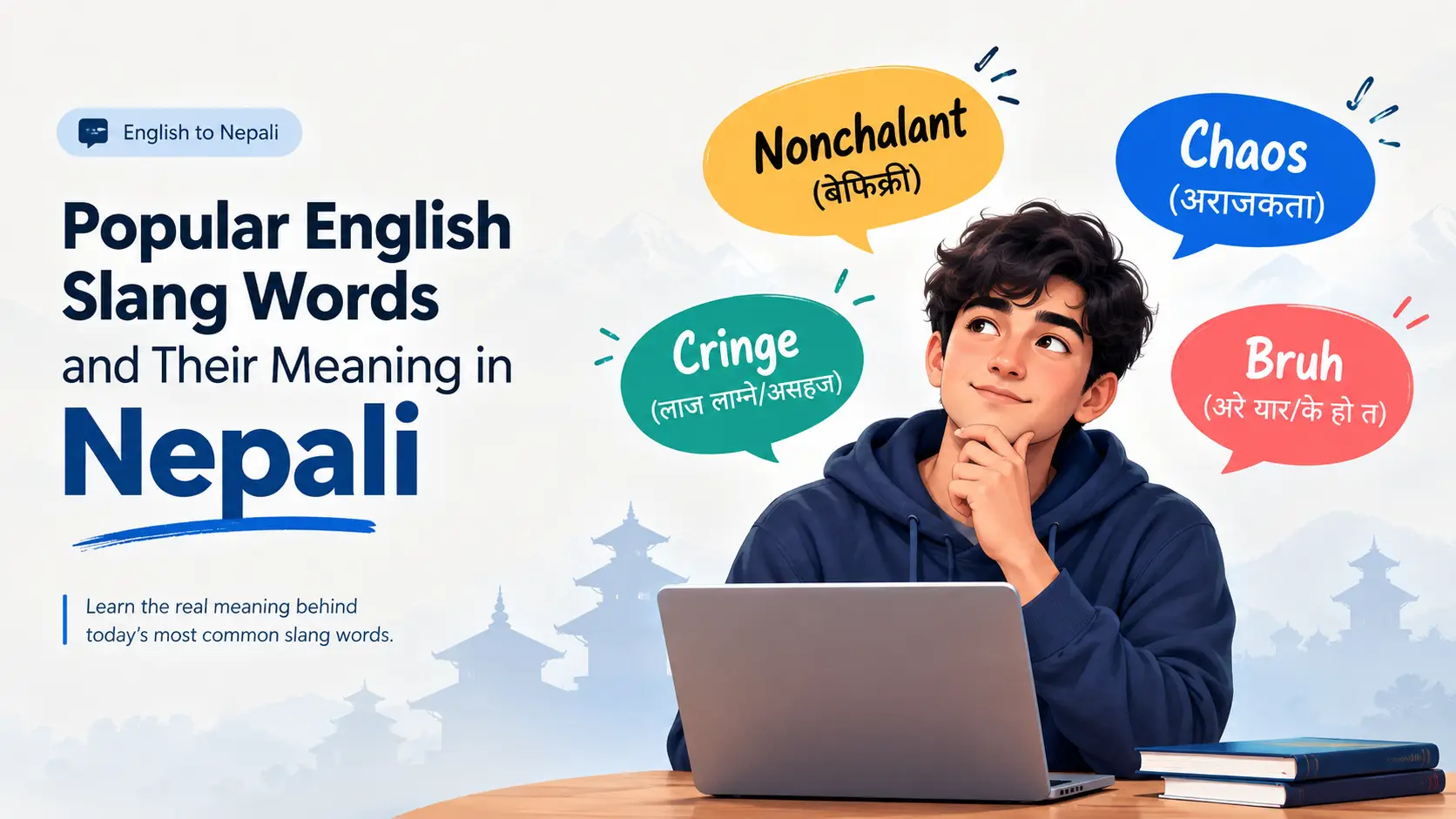
Nonchalant, Chaos, Cringe & Bruh Meaning in Nepali: The Slang Guide Dictionaries Get Wrong
Type "bruh meaning in Nepali" into Google and almost every result tells you the same thing: भाइ, यार, साथी. Brother. Friend. Buddy.
That answer is wrong roughly 80% of the time — and if you actually use it that way in a conversation, you will sound strange.
Here's why. When a Nepali teenager sends "bruh" after seeing their exam result, they are not calling anyone "brother." They are expressing disbelief. The closest honest Nepali translation is हैट! or के हो यार! — not भाइ. Standard dictionary entries translate the word and completely miss the function.
This guide fixes that. For each of the four words — nonchalant, chaos, cringe and bruh — you'll get the literal Nepali meaning, the natural Nepali meaning that people in Kathmandu actually say, correct pronunciation (most Nepali speakers mispronounce two of these four), real example sentences in Devanagari and Roman Nepali, and a clear warning about where the standard translation will embarrass you.
If you only need the fast version, this table covers it. The column that matters most is the third one — that's the word an actual Nepali speaker would choose in conversation, which is usually not the dictionary word.
English word
Dictionary Nepali
What Nepali speakers actually say
Type
Nonchalant
बेपर्वाह, निश्चिन्त, उदासीन
वास्तै नगर्ने(wastai nagarne) — "acts like it doesn't matter"
Adjective
Chaos
अराजकता, अव्यवस्था
भद्रगोल(bhadragol) — "total mess"
Noun
Cringe
लजाउनु, खुम्चिनु
लाजमर्दो(lajmardo) — "shameful to watch"
Verb + adjective
Bruh
भाइ, यार, साथी
हैट!(hait!) — reaction, not a name
Interjection
The core insight
Three of these four words changed meaning in the last decade. Dictionaries recorded the old meaning. "Nonchalant" used to simply mean calm; now it describes a deliberate performance of not caring. "Cringe" used to be only a verb; now it's mostly an adjective. "Chaos" used to be purely negative; now it can be a compliment. If you translate from a dictionary, you translate the 2005 meaning.
Nonchalant Meaning in Nepali
Nonchalant(नन्शलान्ट) means appearing calm, casual and unbothered — showing no anxiety, excitement or concern, whether or not you actually feel it.
Nepali meanings, ranked by how natural they sound
Most sources dump five Nepali words at you with no explanation, as if they were interchangeable. They aren't. Each one carries a different attitude, and picking the wrong one changes whether you're complimenting someone or insulting them.
Nepali word
Roman
What it really implies
Use for "nonchalant"?
वास्तै नगर्ने
wastai nagarne
Pays it no attention; unbothered. Everyday, conversational.
Content gap #1 — competitors list उदासीन as a plain synonym
It isn't one. उदासीन describes someone emotionally flat or withdrawn — it has a shadow of sadness on it. A nonchalant person is cool; an उदासीन person is checked out. Calling a confident, relaxed friend उदासीन sounds like you're saying something is wrong with them. Similarly, बेपर्वाह carries a charge of irresponsibility — "he was nonchalant about the deadline" translates fine with बेपर्वाह, but "she walked in nonchalantly" does not.
How to pronounce "nonchalant" (most Nepali speakers get this wrong)
Say it like this:
non-shuh-LAANT · नन्-शु-लान्ट
Not non-CHA-lent · नन्-च-लेन्ट
This word came into English from French, and the French ch is pronounced like English sh — the same way "machine" and "Chicago" work. Because Nepali is written phonetically, Nepali speakers naturally read the letters ch as च, producing "non-cha-lant." It's one of the most common English pronunciation slips in Nepali classrooms and offices, and it's completely invisible in every competing dictionary entry.
The Gen Z "nonchalant" — a meaning no dictionary has caught up to
Since around 2023, "nonchalant" stopped being a neutral description and became a personality label, especially on TikTok and Instagram. Phrases like "the nonchalant boyfriend,""nonchalant era" and "stay nonchalant" describe someone who deliberately performs indifference — replying late on purpose, never showing excitement, acting unimpressed as a strategy.
The Nepali equivalent isn't a single word. It's a phrase:
केही मतलब नभएको जस्तो गर्ने — kehi matlab nabhaeko jasto garne — "acts like nothing matters to them"
पर्वाह नगरे जस्तो देखाउने — parwaha nagare jasto dekhaune — "shows off not caring"
चिल गरेको — chill gareko — the code-mixed version young Nepalis genuinely use
Note that all three contain a word meaning "acts like" or "shows." That's the whole point of the modern sense: it's a performance, and any translation that leaves out the performance loses the meaning.
Nonchalant: example sentences in English and Nepali
English
Nepali
Roman Nepali
She stayed nonchalant even after the results came out.
नतिजा आएपछि पनि उनी निश्चिन्त नै रहिन्।
Natija aaepachhi pani uni nishchinta nai rahin.
Stop being so nonchalant about your studies.
पढाइप्रति यति बेपर्वाह नबन।
Padhai prati yati beparwah naban.
He replied with a nonchalant shrug.
उसले वास्तै नगरी काँध उचाल्यो।
Usle wastai nagari kaandh uchalyo.
Her nonchalant attitude is just an act.
उनको वास्ता नगर्ने बानी त नाटक मात्रै हो।
Unko wasta nagarne baani ta natak matrai ho.
Chaos Meaning in Nepali
Chaos(केअस) means complete disorder and confusion — a situation with no order, no control and no plan.
The अराजकता problem
Every competing page leads with अराजकता(arajakta) as the primary translation of "chaos." For everyday use, this is the single worst choice on the list.
अराजकता is built from अ (without) + राज (rule/governance). It literally means anarchy — the collapse of authority. It's a political and legal term. In Nepali newspapers it appears in articles about state failure, lawlessness and breakdown of governance.
So if your kitchen is a mess after a party and you say भान्सामा अराजकता छ, you have just announced that your kitchen has overthrown its government. It's the register equivalent of saying "the kitchen is in a state of insurrection."
Content gap #2 — the word competitors never mention
The natural, everyday Nepali word for chaos is भद्रगोल(bhadragol) — total mess, disorder, everything jumbled. It is what a Nepali speaker will actually say, and it appears in none of the top-ranking dictionary entries for this keyword. Also missing: अफरातफरी(aphratafari) for panicked commotion, and हल्लाखल्ला(hallakhalla) for noisy disorder.
Choosing the right Nepali word for "chaos"
Nepali word
Roman
Use it when the chaos is…
Example context
भद्रगोल
bhadragol
Messy, disorganised, jumbled
A room, a schedule, a plan
अव्यवस्था
avyavastha
Poorly managed, badly run
Traffic, an office, an event
अफरातफरी
aphratafari
Panicked, people scrambling
A fire alarm, a stampede
हल्लाखल्ला
hallakhalla
Loud, noisy, rowdy
A crowd, a classroom
गडबडी
gadbadi
Something went wrong, a mix-up
An error, a malfunction
उथलपुथल
uthalputhal
Turbulent, upheaval, dramatic change
Politics, markets, life events
अराजकता
arajakta
Lawless, no authority at all
Only politics and governance
How to pronounce "chaos"
Say it like this:
KAY-oss · के-अस
Not CHA-os · चा-ओस
The ch in "chaos" is pronounced as a hard k, because the word came into English through Greek. The same rule governs "chemistry," "character," "chorus," "echo" and "architect" — all क, never च. If you've been saying चाओस, you're in extremely large company across Nepal, and fixing this one rule corrects a dozen words at once.
When "chaos" is actually a compliment
Modern internet English has flipped part of this word's meaning. "Chaotic energy," "we love chaos," "chaotic good," "chaos gremlin" — these are affectionate. They describe someone unpredictable and fun, not someone destructive.
No Nepali word carries this positive charge, which is exactly why Nepali speakers borrow the English word instead of translating it. The nearest native options are बबाल(babal) for something wildly good, or describing someone as कुनै ठेगान नभएको(kunai thegan nabhaeko) — "completely unpredictable" — but neither is a true match.
Chaos: example sentences in English and Nepali
English
Nepali
Roman Nepali
The whole house was in chaos before the wedding.
बिहे अघि सारा घर भद्रगोल थियो।
Bihe aghi sara ghar bhadragol thiyo.
There was chaos on the road after the accident.
दुर्घटना पछि सडकमा अफरातफरी मच्चियो।
Durghatana pachhi sadakma aphratafari machchiyo.
Load-shedding created chaos in the exam hall.
लोडसेडिङले परीक्षा हलमा हल्लाखल्ला मच्चायो।
Loadshedding le pariksha hall ma hallakhalla machchayo.
Political chaos continued for months.
राजनीतिक अराजकता महिनौंसम्म कायम रह्यो।
Rajnitik arajakta mahinaunsamma kayam rahyo.
Cringe Meaning in Nepali
Cringe(क्रिन्ज) has two separate lives, and confusing them is the most common mistake with this word.
Cringe as a verb (the original meaning)
To cringe is to physically flinch or shrink back — from fear, pain or embarrassment. Your shoulders pull in, your face tightens.
खुम्चिनु(khumchinu) — to shrink, contract
लाजले खुम्चिनु(laajle khumchinu) — to shrink with embarrassment
सर्नु(sarnu) — to recoil, move back
Cringe as an adjective (the meaning people actually search for)
Since roughly 2016, "cringe" became an adjective: "that's so cringe," "his post is cringe," "cringe behaviour." Here it means embarrassing to witness — awkward, try-hard, secondhand-embarrassing.
लाजमर्दो(lajmardo) — shameful, embarrassing. Closest single word.
छ्या!(chhya!) — an exclamation of distaste; what you'd actually blurt out
Content gap #3 — Nepali has no word for secondhand embarrassment
This is the heart of "cringe," and it's a genuine lexical gap. Cringe is not embarrassment you feel about yourself — it's embarrassment you feel on behalf of someone else, usually someone who doesn't realise they should be embarrassed. Nepali has लाज for your own shame, but no single word for absorbing another person's. You have to build the phrase: अरूको हर्कत देखेर आफूलाई लाज लाग्नु(aruko harkat dekhera aafulai laaj laagnu) — "to feel ashamed yourself on seeing someone else's behaviour." That missing word is precisely why "cringe" entered Nepali untranslated.
Cringe: example sentences in English and Nepali
English
Nepali
Roman Nepali
His speech was so cringe.
उसको भाषण साह्रै लाजमर्दो थियो।
Usko bhashan saahrai lajmardo thiyo.
I cringed watching that video.
त्यो भिडियो हेर्दा मलाई अप्ठ्यारो लाग्यो।
Tyo video herda malai apthyaro laagyo.
Those old photos of mine are pure cringe.
मेरा ती पुराना फोटो त साँच्चै लाजमर्दो छन्।
Mera ti purana photo ta saanchchai lajmardo chhan.
Don't do that, it's cringe.
त्यसो नगर, नमज्जा देखिन्छ।
Tyaso nagara, namajja dekhinchha.
Bruh Meaning in Nepali
This is the word every competing page gets wrong, so let's be precise.
Bruh(ब्र) started as a lazy pronunciation of "bro," and yes, it can be used to address someone. But that's now the minority use. In the overwhelming majority of real messages, bruh is an interjection — a complete reaction that stands alone, addressed to nobody.
The four functions of "bruh" — and the Nepali word for each
Function
English example
Natural Nepali
Roman
Disbelief Most common
"Bruh, you're joking."
के हो यार! / ओहो!
Ke ho yaar! / Oho!
Disappointment
"Bruh. We lost again."
हैट! / धत्!
Hait! / Dhat!
Exasperation
"Bruh, seriously?"
ला, अनि? / छ्या!
La, ani? / Chhya!
Address Least common
"Bruh, pass the ball."
ए भाइ / ए दाइ / यार
E bhai / E dai / Yaar
Content gap #4 — भाइ carries a hierarchy that "bruh" doesn't
This is the most important cultural point on this page. English "bruh" is flat — you can say it to anyone your age or younger, and to plenty of people older. Nepali kinship terms are not flat. भाइ means younger brother and दाइ / दाजु means elder brother, and the choice is compulsory. Calling someone older than you भाइ is not casual — it is a status claim, and it will land as disrespect. Every competing dictionary lists भाइ, दाजु and दाइ together in one comma-separated line as if you could pick freely. You cannot. If you're curious how deep this naming system goes, our guide to Nepali boy names and their meanings shows how much relationship and status Nepali encodes into names and address terms.
How to pronounce "bruh"
Say it like this:
bruh — rhymes with "duh" · ब्र
Not broo · ब्रुह
The h is silent — it's there to stretch the vowel, not to be pronounced. The vowel is short and flat, and in real speech it's often drawn out for effect: "bruhhhh." The longer the vowel, the stronger the disbelief.
From working with Nepali content
In four years of building and writing for Nepali-language websites, the pattern I see repeatedly in comment sections and Messenger threads is that "bruh" almost never appears at the start of a sentence in Nepali usage. It appears alone, as its own message — a single line, sent by itself, after something absurd. In English it often opens a sentence ("Bruh, did you see that?"). In Nepali chats it functions the way हैट does: a full reaction, needing no sentence around it. That's a meaningful difference, and it's why the competitor's example sentence — "Bruh, did you see that amazing goal?" — reads as textbook English rather than anything a Nepali speaker would send.
Bruh: example sentences in English and Nepali
English
Nepali
Roman Nepali
Bruh, I failed the exam.
हैट, म परीक्षामा फेल भएँ।
Hait, ma parikshama fail bhaen.
Bruh, are you serious right now?
ए यार, साँच्चै भनेको?
E yaar, saanchchai bhaneko?
Bruh… I have no words.
ला… भन्नै केही छैन।
La… bhannai kehi chhaina.
Bruh, let's go now.
ए भाइ, अब जाऔं।
E bhai, aba jaaun.
Formality Guide: Which Word Is Safe to Use Where
None of the competing pages mention register at all, which is a real problem — these words are not equally safe in every situation. Here's where each one belongs.
Situation
Nonchalant
Chaos
Cringe
Bruh
School / college essay
Yes
Yes
Verb only
Never
Office email
Yes
Yes
No
Never
Talking to elders
Yes
Yes
No
Never
Friends, chat, social media
Yes
Yes
Yes
Yes
News writing / journalism
Yes
Yes
No
Never
The short version: nonchalant and chaos are standard English and work anywhere. Cringe and bruh are slang and belong only in casual conversation. "Cringe" as a verb is acceptable in formal writing ("the audience cringed"); "cringe" as an adjective is not.
Why Nepali Youth Don't Translate These Words at All
Here's something no dictionary will tell you: in actual Nepali conversation, young people mostly don't translate these words. They drop the English word straight into a Nepali sentence.
आज त पूरै chaos भयो। — Aaja ta purai chaos bhayo. — "Today was total chaos."
ऊ त एकदम nonchalant छ। — U ta ekdam nonchalant chha. — "He's completely nonchalant."
This is code-switching, and it isn't laziness or poor Nepali. It happens for a specific linguistic reason: the English word carries connotations the Nepali word doesn't. लाजमर्दो is a heavy, serious word — it means genuinely shameful. "Cringe" is light and comic. When a Nepali speaker wants the light, joking version, लाजमर्दो overshoots, so they reach for English instead.
Understanding this matters for your own use of these words. If you are speaking casually, use the English word. If you're writing formally, translating for school, or explaining to someone who doesn't speak English, use the Nepali equivalent. Both are correct — for different jobs.
Nepal's linguistic layering goes further than Nepali and English, of course. Kathmandu Valley speech mixes in Newari vocabulary constantly, often without speakers noticing — if that interests you, see our guide on how to translate the Newari language to English.
Bonus: 25 More English Slang Words and Their Nepali Meanings
These four words rarely get searched alone — people who look up one slang term usually need several. Here's a reference table of the slang most commonly heard in Nepal right now.
Slang
Meaning
Nepali
Roman
Rizz
Charm, flirting skill
पट्याउने कला
patyaune kala
Aura
Presence, coolness
रवाफ
rawaf
Slay
To do brilliantly
बबाल गर्नु
babal garnu
Sus
Suspicious
शंकास्पद
shankaspad
Flex
To show off
फुर्ती लगाउनु
phurti lagaunu
Salty
Bitter, resentful
रिसाएको
risaeko
Ghosting
Disappearing without reply
बेपत्ता हुनु
bepatta hunu
Simp
Overly devoted admirer
लत्तो छाडेको
latto chhadeko
Vibe
Mood, feeling
माहोल
mahol
Mid
Mediocre, average
ठिकै
thikai
Lowkey
Slightly, secretly
अलिअलि
ali-ali
Highkey
Openly, definitely
खुलेर
khulera
No cap
No lie, seriously
साँच्चै
saanchchai
Bet
Okay, agreed
हुन्छ
hunchha
Delulu
Delusional
भ्रममा परेको
bhram ma pareko
Yap
To talk too much
बकबक गर्नु
bakbak garnu
Ick
Sudden turn-off
दिक्क लाग्नु
dikka laagnu
Savage
Brutally blunt
निर्मम
nirmam
Hype
Excitement, buzz
चर्चा
charcha
Clout
Influence, fame
प्रभाव
prabhav
Shook
Shocked
छक्क परेको
chhakka pareko
Toxic
Harmful, draining
हानिकारक
hanikarak
Gaslight
To manipulate someone's reality
भ्रमित पार्नु
bhramit parnu
Situationship
Undefined relationship
अनिश्चित सम्बन्ध
anishchit sambandha
Glow up
Dramatic improvement
कायापलट
kayapalat
How to Type These Words in Nepali Devanagari
If you want to write any of these Nepali equivalents — भद्रगोल, लाजमर्दो, वास्तै नगर्ने — you'll need Devanagari input, and most people don't have a Nepali keyboard installed.
The simplest method is Roman-to-Unicode conversion: you type the sound in English letters and it converts to Devanagari. Type bhadragol, get भद्रगोल. Our free English to Nepali Unicode type converter does this in the browser with no installation, and the output is standard Unicode — so it pastes correctly into Facebook, Word, WhatsApp and any website, unlike older Preeti font text which turns into gibberish outside its own font.
Quick tip
Always check whether text is Unicode or Preeti before sharing it. Preeti-encoded Nepali looks perfect on your screen and completely broken on everyone else's. Unicode works everywhere.
Frequently Asked Questions
What is the exact Nepali meaning of nonchalant?
Nonchalant means वास्तै नगर्ने (wastai nagarne), निश्चिन्त (nishchinta) or बेफिक्री (befikri) — calm and unbothered. Use बेपर्वाह only when you mean carelessly irresponsible, and avoid उदासीन, which suggests emotional withdrawal rather than coolness.
Is अराजकता the correct Nepali word for chaos?
Only for political chaos. अराजकता literally means anarchy — the absence of governance. For everyday chaos like a messy room or a disorganised event, use भद्रगोल (bhadragol) or अव्यवस्था (avyavastha).
How do you pronounce "nonchalant" correctly?
Say non-shuh-LAANT(नन्-शु-लान्ट). The "ch" is pronounced like "sh" because the word comes from French. "Non-cha-lant" with a hard च sound is incorrect.
Does bruh mean brother in Nepali?
Not usually. Although bruh comes from "bro," in most real usage it's a standalone interjection expressing disbelief or disappointment — closest to हैट! or के हो यार! in Nepali. It only means भाइ or दाइ when directly addressing someone, which is the less common use.
Can I call someone older than me भाइ the way English speakers say "bruh"?
No. भाइ means younger brother and implies you hold the senior position. For someone older, use दाइ or दाजु. Unlike English "bruh," Nepali address terms are not age-neutral, and getting this wrong reads as disrespect.
What is the Nepali word for cringe?
As an adjective, लाजमर्दो (lajmardo) is closest. As a verb, खुम्चिनु (khumchinu) or अप्ठ्यारो लाग्नु (apthyaro laagnu). Nepali has no single word for the secondhand embarrassment cringe describes, which is why the English word is widely borrowed.
Is it wrong to mix English slang into Nepali sentences?
No. Code-switching is normal and linguistically valid — Nepali speakers do it because English slang carries lighter, more comic connotations than the heavier Nepali equivalents. Use English slang in casual speech and Nepali equivalents in formal writing, exams or conversation with elders.
Why is "chaos" pronounced with a K sound?
Because it entered English from Greek, where the letters "ch" represent a hard K. The same applies to chemistry, character, chorus, echo and architect. The correct pronunciation is KAY-oss(केअस), not चाओस.
Final Takeaway
The reason standard dictionary entries fail with slang is that they translate words in isolation while slang lives entirely in context. Bruh isn't a noun, it's a reaction. Cringe isn't only a verb any more. Chaos in Nepali splits into at least six different words depending on whether the disorder is messy, noisy, panicked or political. And nonchalant now describes a performance of not caring, not simply a calm temperament.
If you remember only four things from this guide: say non-shuh-LAANT and KAY-oss; use भद्रगोल rather than अराजकता for everyday chaos; never call an older person भाइ; and treat "bruh" as a full sentence, not a form of address.
About this guide
Written and researched by the editorial team at wilson.com.np, working with Nepali-language web content and translation tools from Kathmandu. Nepali equivalents here are checked against everyday conversational usage rather than dictionary listings alone, and pronunciation notes reflect the specific errors most commonly heard among Nepali English speakers. Last updated: September 2026.
Nepali chowmein is a delightful variant of stir-fried noodles that has captured the hearts of food lovers worldwide. This Nepali chowmein recipe is not just a guide to making a delicious dish but also a journey through the rich tapestry of Nepali cuisine. Originating from China, chowmein has made its way into the streets of Nepal, blending seamlessly with local flavors and spices. Today, it stands as a staple in Nepali street food culture, offering a unique twist on the classic noodle dish.
📌 Key Takeaways
Learn how to make authentic Nepali chowmein at home.
Discover essential tips for perfect stir-fried noodles.
Explore the cultural significance of Nepali street food.
📋 Table of Contents
15 Sections
The Origins of Chowmein
Chowmein, which means “stir-fried noodles” in Mandarin, began its journey in China before spreading across Asia and beyond. The dish’s versatility and simplicity have allowed it to adapt to various culinary traditions, including Nepal. In Nepal, chowmein is infused with local flavors, making it distinct from its Chinese counterpart. The adaptation of chowmein in Nepal reflects the country’s ability to embrace and transform foreign influences into something uniquely Nepali.
Popularity in Nepal
In Nepal, chowmein is more than just a dish; it’s a cultural phenomenon. It’s a favorite among street vendors and home cooks alike, celebrated for its quick preparation and satisfying taste. Whether enjoyed as a quick snack or a full meal, chowmein is synonymous with Nepali street food Nepali cuisine overview. Its popularity lies in its ability to be customized with various ingredients, making it accessible and beloved by people from all walks of life.
Essential Ingredients for Nepali Chowmein
Crafting the perfect Nepali chowmein starts with gathering the right ingredients. The balance of spices, vegetables, and noodles creates the authentic flavor that makes this dish stand out.
Key Ingredients
Noodles: Opt for egg noodles or wheat noodles for the best texture.
Vegetables: Cabbage, carrots, and bell peppers add crunch and color.
Protein: Chicken, tofu, or paneer can enhance the dish’s protein content.
Soy Sauce: Provides a savory umami base.
Spices: Turmeric, cumin, and chili powder give the dish its distinct flavor.
Garlic and Ginger: Essential for depth and aroma.
Optional Additions
Feel free to customize your chowmein with these optional ingredients:
Green Chilies: For extra heat.
Spring Onions: Adds freshness and a slight bite.
Sesame Oil: Enhances the nutty flavor.
Vinegar: A splash of vinegar can add tanginess to the dish.
Step-by-Step: How to Make Nepali Chowmein
Step-by-Step: How to Make Nepali Chowmein
Creating a delicious Nepali chowmein at home is straightforward with these detailed steps.
Preparation Steps
Boil the Noodles: Cook the noodles according to the package instructions. Once done, drain and rinse them under cold water to stop the cooking process. Toss with a bit of oil to prevent sticking.
Prepare the Vegetables: Slice the cabbage, carrots, and bell peppers into thin strips. Mince the garlic and ginger.
Prepare the Protein: If using chicken, tofu, or paneer, cut into bite-sized pieces and season with a pinch of salt and chili powder.
Cooking Instructions
Heat Oil: In a large wok or frying pan, heat two tablespoons of oil over medium-high heat.
Sauté Garlic and Ginger: Add the minced garlic and ginger, stirring for about 30 seconds until fragrant.
Cook Protein: Add your choice of protein, cooking until browned and cooked through.
Add Vegetables: Toss in the sliced vegetables, stir-frying for 3-4 minutes until they are slightly softened but still crisp.
Season and Stir-Fry: Add the cooked noodles to the pan, followed by soy sauce, turmeric, cumin, and chili powder. Stir-fry everything together for 2-3 minutes, ensuring the noodles and vegetables are well coated.
Finish with Garnishes: If using, add sliced green chilies and spring onions. Drizzle with sesame oil and a splash of vinegar, then toss again.
Serve: Transfer to a serving dish and enjoy your homemade Nepali chowmein!
Tips for Perfecting Your Chowmein
Tips for Perfecting Your Chowmein
Achieving the perfect chowmein requires attention to detail and a few expert tips.
Cooking Tips
High Heat is Key: Stir-frying at high heat ensures that the vegetables remain crisp, and the noodles get a slight char.
Dry Noodles Thoroughly: Ensure the noodles are well-drained before adding them to the pan to avoid a soggy texture.
Common Mistakes to Avoid
Overcrowding the Pan: This can lead to steaming instead of stir-frying. Cook in batches if necessary.
Overcooking Vegetables: Aim for a slight crunch to maintain texture and flavor.
The Cultural Significance of Nepali Chowmein
Chowmein holds a special place in Nepali culture, transcending its culinary roots to become a symbol of celebration and everyday life.
Chowmein in Nepali Celebrations
During festivals and family gatherings, chowmein is often served alongside traditional dishes. It represents the fusion of old and new, embodying the spirit of Nepali hospitality.
Chowmein as Street Food
On the bustling streets of Kathmandu and other cities, chowmein is a common sight. Street vendors skillfully toss noodles with vegetables and spices, serving them hot and fresh to eager customers. This accessibility and affordability have solidified chowmein’s status as a beloved street food in Nepal.
For more on perfecting your stir-fry technique, consider exploring stir-frying techniques for additional tips and tricks.
By following this guide, you’ll not only master the art of making Nepali chowmein but also gain an appreciation for its cultural significance. This dish is a testament to the rich culinary heritage of Nepal and a delicious way to bring a taste of Nepal into your home.
💡 Pro Tips: Always taste your chowmein before serving. Adjust the seasoning as needed to suit your palate.
⚠️ Important Notes: When using soy sauce, be mindful of the salt content to avoid an overly salty dish. Adjust other seasonings accordingly.
Frequently Asked Questions
What ingredients are essential for Nepali chowmein?
Essential ingredients include noodles, vegetables like cabbage and carrots, soy sauce, and spices.
How can I prevent my noodles from sticking?
To prevent sticking, rinse noodles in cold water after boiling and toss with a little oil.
Is Nepali chowmein similar to Chinese chowmein?
While influenced by Chinese chowmein, Nepali chowmein has unique spices and preparation methods.