Dashain Tika Mantra 2083: Male & Female Mantra in Nepali + Meaning

Dashain tika mantra 2083 – elders give red tika and jamara with a Sanskrit blessing on Vijaya Dashami

Dashain Tika Mantra 2083: Male & Female Mantra in Nepali, Meaning & Tika Rules

By Wilson Shrestha, Kathmandu · Updated 6 October 2026 (Asoj 20, 2083)

Quick answer: The Dashain tika mantra is the Sanskrit blessing elders recite while putting red tika on your forehead on Vijaya Dashami. Males receive “Ayurdronasute shriyo dasharathe…”, which wishes you eleven virtues of epic heroes. Females receive “Jayanti Mangala Kali…”, a salutation to eleven forms of Goddess Durga.

In 2083, Vijaya Dashami falls on Wednesday, 21 October 2026 (Kartik 4), and tika can be received until Kojagrat Purnima on 25 October. The official 2083 tika sait had not been announced when this page was updated.

Every Dashain, millions of Nepalis kneel in front of an elder, feel the cool rice-and-yogurt tika pressed on the forehead, and hear a verse most of us have never actually read. We know the rhythm. We rarely know the words, and even fewer of us know what they mean.

This guide gives you both Dashain tika mantras in correct Devanagari, an easy Roman version for reading aloud, a line-by-line meaning, and the things most pages leave out: why the male mantra has two different third lines, why a Kaurava prince is part of a blessing, the most common mispronunciations, and which direction to face this year.

Dashain Tika Mantras at a Glance

DetailFor malesFor females
Opens withआयुर्द्रोणसुते (Ayurdronasute)जयन्ती मङ्गला काली (Jayanti Mangala Kali)
TypeBlessing (ashirbad) – “may these be yours”Salutation – “I bow to you, Goddess”
SourceTraditional blessing verse drawing on the Ramayana, Mahabharata and PuranasOpening verse of the Argala Stotram, recited with the Durga Saptashati (Chandi Path)
Invokes11 heroes and deities, one virtue each11 names of Goddess Durga
Length4 lines (one full shloka)2 lines; many families add 2–4 more

Dashain Tika Mantra for Male (पुरुषलाई टीका लगाउँदा भनिने मन्त्र)

Elders recite this verse for sons, grandsons, brothers, nephews and other younger males. It is one complete four-line shloka.

आयुर्द्रोणसुते श्रियो दशरथे शत्रुक्षयं राघवे ।
ऐश्वर्यं नहुषे गतिश्च पवने मानञ्च दुर्योधने ॥
शौर्यं शान्तनवे बलं हलधरे सत्यञ्च कुन्तीसुते ।
विज्ञानं विदुरे भवन्तु भवतां कीर्तिश्च नारायणे ॥

Roman (for reading aloud)

Ayurdronasute shriyo dasharathe, shatrukshayam raghave,
Aishwaryam nahushe, gatishcha pavane, manancha duryodhane,
Shauryam shantanave, balam haladhare, satyancha kuntisute,
Vigyanam vidure, bhavantu bhavatam, kirtishcha narayane.

Meaning in one sentence: May you have the long life of Ashwatthama, the prosperity of Dasharatha, Rama’s power over enemies, the wealth of Nahusha, the speed of the wind, the self-respect of Duryodhana, the valour of Bhishma, the strength of Balarama, the truthfulness of Yudhishthira, the wisdom of Vidura and the fame of Narayana – may all these be yours.

Line-by-line meaning of the male mantra

The trick to understanding this verse is its pattern: each phrase pairs one virtue with one person famous for it. Read it as a list of eleven wishes.

#PhraseWho it refers toThe blessing
1आयुर् द्रोणसुते
Ayur dronasute
Ashwatthama, son of Drona (Mahabharata), one of the seven chiranjeevi (immortals)Long life
2श्रियो दशरथे
Shriyo dasharathe
King Dasharatha of Ayodhya, Rama’s father (Ramayana)Prosperity and dignity
3शत्रुक्षयं राघवे
Shatrukshayam raghave
Rama, the descendant of Raghu (Ramayana)Victory over enemies
4ऐश्वर्यं नहुषे
Aishwaryam nahushe
King Nahusha, who rose to the throne of Indra (Mahabharata, Puranas)Wealth and power
5गतिश्च पवने
Gatishcha pavane
Pavana (Vayu), the wind godSpeed and progress
6मानञ्च दुर्योधने
Manancha duryodhane
Duryodhana, eldest Kaurava prince (Mahabharata)Self-respect and honour
7शौर्यं शान्तनवे
Shauryam shantanave
Bhishma, son of King Shantanu (Mahabharata)Valour
8बलं हलधरे
Balam haladhare
Balarama, “the plough-bearer”, Krishna’s elder brotherStrength
9सत्यञ्च कुन्तीसुते
Satyancha kuntisute
Yudhishthira, eldest son of Kunti (Mahabharata)Truthfulness
10विज्ञानं विदुरे
Vigyanam vidure
Vidura, the wise counsellor of Hastinapur (Mahabharata)Wisdom and judgement
11कीर्तिश्च नारायणे
Kirtishcha narayane
Narayana (Vishnu), the preserverLasting fame

The phrase भवन्तु भवतां (bhavantu bhavatam) in the last line is the glue that turns the list into a blessing: it means “may these be yours”.

Why the third line has two versions

If your family’s mantra sounds slightly different, you are not imagining it. The third line circulates in two forms, and both are widely used in Nepal:

Version A (used above)

शौर्यं शान्तनवे बलं हलधरे सत्यञ्च कुन्तीसुते

Valour of Bhishma, strength of Balarama, truth of Yudhishthira.

Version B

दानं सूर्यसुते बलं हलधरे सत्यञ्च कुन्तीसुते

Generosity of Karna (son of the Sun), strength of Balarama, truth of Yudhishthira.

Both lines fit the verse’s Shardula Vikridita metre syllable for syllable, which is most likely why both have survived in oral tradition side by side. Neither is “wrong”. Use the one your family’s priest or elders use; if you are learning it fresh, either is fine.

Why is Duryodhana in a Dashain blessing?

This is the question children ask most, and it is a good one – Duryodhana is the villain of the Mahabharata. But the verse never asks for his character. It asks only for his मान (maan): pride in the sense of self-respect. Duryodhana refused to bow to anyone, even in defeat. The blessing takes that single trait – the refusal to be humiliated – and leaves the rest behind. It is a quietly sophisticated idea: you can learn one good quality even from a flawed person.

The 11 Virtues of the Male Mantra (Visual Guide)

Colour shows where each figure comes from. Notice that the Mahabharata supplies most of the verse.

Mahabharata Ramayana Deities / Puranas
Long life
Ashwatthama
Prosperity
Dasharatha
Victory
Rama
Wealth
Nahusha
Speed
Pavana (Vayu)
Self-respect
Duryodhana
Valour
Bhishma
Strength
Balarama
Truth
Yudhishthira
Wisdom
Vidura
Fame
Narayana

Dashain Tika Mantra for Female (महिलालाई टीका लगाउँदा भनिने मन्त्र)

For daughters, granddaughters, sisters, nieces and daughters-in-law, elders recite a completely different verse. It is the opening of the Argala Stotram, a hymn traditionally recited together with the Durga Saptashati (Chandi Path) – the same text read in many homes during the nine nights of Navaratri.

जयन्ती मङ्गला काली भद्रकाली कपालिनी ।
दुर्गा क्षमा शिवा धात्री स्वाहा स्वधा नमोऽस्तु ते ॥

Roman (for reading aloud)

Jayanti mangala kali, bhadrakali kapalini,
Durga kshama shiva dhatri, swaha swadha namostu te.

Meaning: “O Goddess – you who are Jayanti, Mangala, Kali, Bhadrakali, Kapalini, Durga, Kshama, Shiva, Dhatri, Swaha and Swadha – I bow to you.”

The 11 names of the goddess and what they mean

Jayanti – the victorious one
Mangala – the auspicious one
Kali – destroyer of darkness and ego
Bhadrakali – the gracious, protective Kali
Kapalini – the fearless one, bearer of the skull
Durga – the invincible, remover of hardship
Kshama – forgiveness and patience
Shiva – the benevolent, auspicious one
Dhatri – the nurturer who sustains all
Swaha – the offering made to the gods
Swadha – the offering made to the ancestors

Blessing or salutation? The difference most pages miss

Read the two mantras side by side and you notice something. The male verse wishes qualities onto the receiver: “may these be yours”. The female verse does not wish anything – it bows. “Namo’stu te” means “salutations to you”.

In the ritual, the girl or woman receiving tika is honoured as a form of the goddess herself, the same Shakti worshipped for the previous nine days. That is why the verse sounds like prayer rather than advice. Scholars interviewed by the Kathmandu Post describe it in exactly these terms: women are blessed as embodiments of the goddess’s strength, compassion and protective power.

The longer version some families use

Many priests and elders continue with the next verses. The second verse of the Argala Stotram is the most common addition, and some families close with the well-known “Sarva mangala” verse from the Devi Mahatmya:

जय त्वं देवि चामुण्डे जय भूतार्तिहारिणि ।
जय सर्वगते देवि कालरात्रि नमोऽस्तु ते ॥
सर्वमङ्गलमङ्गल्ये शिवे सर्वार्थसाधिके ।
शरण्ये त्र्यम्बके गौरि नारायणि नमोऽस्तु ते ॥

Victory to you, Goddess Chamunda, remover of every being’s suffering; victory to you, all-pervading Goddess; salutations to you, Kalaratri. O auspiciousness of all that is auspicious, fulfiller of every purpose, refuge of all, three-eyed Gauri, Narayani – salutations to you.

How to Give Tika with the Mantra: Step by Step

The mantra is only one part of the tika ritual. If you are the elder this year for the first time, this is the usual order in Nepali homes:

1
Devi visarjan
The goddess installed on Ghatasthapana is bid farewell in the Dashain ghar.
2
Abhishek
Water from the kalash is sprinkled on family members as a blessing.
3
Face the right way
Receiver usually faces East, elder faces West (see below).
4
Tika + mantra
The elder presses tika on the forehead while reciting the male or female mantra.
5
Jamara
The yellow barley shoots grown since Ghatasthapana are placed on the head or behind the ear.
6
Prasad & dakshina
The elder gives prasad and dakshina; the younger person bows in respect.

Traditionally the family priest or the most senior member gives tika first, and only then does the family go out to receive tika from other relatives. If your child needs to write about the festival for school, our easy essay on Dashain for students explains the festival in simple English.

Which direction to face when receiving tika

WESTEAST
You (receiving tika)
→
face East
Elder (giving tika)
←
faces West

You face each other: receiver looks East, elder looks West. Avoid facing South.

According to Prof. Dr. Devmani Bhattarai of the Nepal Panchanga Nirnayak Bikas Samiti, the long-standing custom is East–West: the person receiving tika faces East and the elder giving it faces West. South is avoided because it is the direction reserved for rites for the dead.

One caveat almost nobody mentions: the Samiti sometimes decides direction by the Moon’s position for that year. In 2079 (2022), for example, it advised the opposite – receivers facing West – because the Moon was in Capricorn. So East is the safe default, but check the Samiti’s notice when the 2083 sait is published.

Dashain Tika Date and Sait 2083

The dates below come from the 2083 calendar released by the Nepal Panchanga Nirnayak Bikas Samiti.

DayNepali date (BS)English date
GhatasthapanaAsoj 25, 2083Sunday, 11 October 2026
FulpatiAsoj 31, 2083Saturday, 17 October 2026
Maha AshtamiKartik 1, 2083Sunday, 18 October 2026
Maha NavamiKartik 3, 2083Tuesday, 20 October 2026
Vijaya Dashami (Tika)Kartik 4, 2083Wednesday, 21 October 2026
Kojagrat Purnima (last tika day)Kartik 8, 2083Sunday, 25 October 2026

Your 5-day tika window

21 Oct
Wed · Main day
22 Oct
Thu
23 Oct
Fri
24 Oct
Sat
25 Oct
Sun · Purnima

If you cannot reach an elder on Vijaya Dashami, you have not missed Dashain. Tika is received from elders and relatives from Dashami right up to Kojagrat Purnima.

Is the 2083 tika sait 11:53 AM? No – that was last year

Several websites already list “11:53 AM” as the 2083 tika sait. That time was announced for Vijaya Dashami 2082 (2 October 2025). The sait is calculated fresh every year, and it moves a lot:

Official Vijaya Dashami tika sait by year (longer bar = later time)

2079 (2022)
11:51
2080 (2023)
11:02
2081 (2024)
11:36
2082 (2025)
11:53
2083 (2026)
Not yet announced

The Samiti normally announces the sait a couple of weeks before Dashain. This page will be updated with the official 2083 time once it is published.

Do you actually need to wait for the sait? Not really. The Samiti itself has said the whole of Vijaya Dashami is auspicious, so ordinary families do not need to wait for a particular minute. The exact sait matters mainly for heads of state and others who, by tradition, receive tika at the calculated moment.

Common Mistakes When Reciting the Dashain Tika Mantra

Because most of us learned these verses by ear, a few errors have spread widely – even into printed cards and viral videos. Watch out for these:

Often heard / writtenCorrectWhy it matters
राधवे (Radhave)राघवे (Raghave)Raghava = Rama. “Radhave” has no meaning here.
आयु द्रोण सुते (split words)आयुर्द्रोणसुते“Ayuh” joins “dronasute” – say it as one flowing phrase.
शान्त नवे (split)शान्तनवेOne word: “in the son of Shantanu” (Bhishma).
नमस्तुते (Namastute)नमोऽस्तु ते (Namostu te)Namah + astu + te = “salutation be to you”.
Male mantra for daughtersJayanti mantra for femalesTradition keeps the two verses separate by the receiver.

If You Don’t Know the Sanskrit: Simple Nepali Blessings

Plenty of loving grandparents never learned the Sanskrit verse, and a tika given with heartfelt words in plain Nepali is still a tika. These everyday blessings are commonly spoken in Nepali homes:

  • आयु बढोस्, सुख शान्ति मिलोस्। – May your life be long and full of peace.
  • पढाइमा सधैँ सफल होऊ। – May you always succeed in your studies. (for students)
  • जागिर र काममा उन्नति होस्। – May you progress in your job and work.
  • घरमा लक्ष्मी भित्रियोस्, परिवार सुखी रहोस्। – May prosperity enter your home and your family stay happy.
  • जहाँ गए पनि दुर्गा माताले रक्षा गरून्। – Wherever you go, may Mother Durga protect you. (for family abroad)

Want to send these as a message instead? See our 150+ Happy Dashain wishes in Nepali language 2083, sorted by who you are sending to.

Copy the Dashain Tika Mantra in Nepali Unicode

Select the text below to copy it into a WhatsApp message, a Facebook caption or a printed card. It is in standard Unicode, so it displays correctly on any modern phone.

पुरुषका लागि:

आयुर्द्रोणसुते श्रियो दशरथे शत्रुक्षयं राघवे । ऐश्वर्यं नहुषे गतिश्च पवने मानञ्च दुर्योधने ॥ शौर्यं शान्तनवे बलं हलधरे सत्यञ्च कुन्तीसुते । विज्ञानं विदुरे भवन्तु भवतां कीर्तिश्च नारायणे ॥

महिलाका लागि:

जयन्ती मङ्गला काली भद्रकाली कपालिनी । दुर्गा क्षमा शिवा धात्री स्वाहा स्वधा नमोऽस्तु ते ॥

Printing a mantra card for the family? Install the free Kalimati Nepali Unicode font so the conjunct letters like द्र and क्ष render cleanly, or type your own blessing with the English to Nepali Unicode converter. For a ready-made design, grab a free Dashain greeting card for 2083.

Dashain Tika Mantra: Frequently Asked Questions

What is the Dashain tika mantra for male?

It is “Ayurdronasute shriyo dasharathe shatrukshayam raghave, aishwaryam nahushe gatishcha pavane manancha duryodhane, shauryam shantanave balam haladhare satyancha kuntisute, vigyanam vidure bhavantu bhavatam kirtishcha narayane.” It wishes the receiver eleven virtues, from Ashwatthama’s long life to Narayana’s fame.

What is the Dashain tika mantra for female?

It is “Jayanti mangala kali bhadrakali kapalini, durga kshama shiva dhatri swaha swadha namostu te,” the opening verse of the Argala Stotram. It salutes eleven names of Goddess Durga and honours the woman receiving tika as a form of the goddess.

What does “Ayurdronasute” mean?

“Ayuh” means life span and “dronasute” means “in the son of Drona”, that is, Ashwatthama. Together they mean “may you have a life as long as Ashwatthama’s”, since he is counted among the immortals.

Why is Duryodhana mentioned in the tika mantra?

Only for one quality: maan, meaning self-respect and honour. Duryodhana never bowed to anyone, even in defeat. The blessing asks for that single trait, not his character.

What is the Dashain tika sait for 2083?

As of 6 October 2026, the Nepal Panchanga Nirnayak Bikas Samiti had not announced the 2083 sait. The widely shared 11:53 AM was the 2082 (2025) time. Vijaya Dashami 2083 is on Wednesday, 21 October 2026.

Which direction should you face when receiving Dashain tika?

By long-standing custom, the person receiving tika faces East and the elder giving it faces West. The Samiti occasionally advises a different direction based on the Moon’s position, so check its notice for the year.

Until when can you receive Dashain tika in 2083?

From Vijaya Dashami on 21 October 2026 until Kojagrat Purnima on 25 October 2026 (Kartik 4 to Kartik 8, 2083).

Is it okay to give tika without reciting the Sanskrit mantra?

Yes. Many elders give tika with simple blessings in Nepali, such as “aayu badhos, sukha shanti milos”. The Sanskrit verse is traditional, but the blessing and the elder’s intention are what the ritual is about.

A Blessing Worth Understanding

The Dashain tika mantra takes about fifteen seconds to recite. In that time, an elder wishes you the best trait of eleven legendary figures – or, if you are a daughter, bows to the goddess in you. Knowing the words changes the moment. This Vijaya Dashami, try reading the verse along with the elder giving you tika, or ask them which version of the third line your family uses. It is a small way to keep a very old blessing alive.

More for Dashain 2083:

Good Morning Status in Nepali: 170+ शुभ प्रभात Wishes, Quotes & Captions

Good Morning Status in Nepali - शुभ प्रभात wishes and quotes

Good Morning Status in Nepali: 170+ शुभ प्रभात Wishes, Quotes & Captions

Quick answer: Good morning in Nepali is शुभ प्रभात (Shubha Prabhat) or शुभ बिहानी (Shubha Bihani). Use हजुर for elders, तपाईं for most adults, and तिमी for your partner and close friends.

Looking for a fresh good morning status in Nepali for WhatsApp, Facebook, Viber or TikTok? Below are 175 original lines, written by a native Nepali speaker and sorted by who you are sending them to. Every line is different, so you will not find the same message repeated with a few words changed.

One thing I have noticed in family Viber and WhatsApp groups: we rarely say “शुभ प्रभात” out loud. In person, we just say नमस्ते. But in text, शुभ प्रभात with a sun or flower emoji is how most of our parents and relatives start the day. That is why the respect level of your message matters more than you might think.

How to Say Good Morning in Nepali

There is more than one way to say good morning in Nepali. शुभ means good or auspicious. प्रभात comes from Sanskrit and बिहानी is the everyday Nepali word, but both mean morning.

NepaliRomanWhen to use it
शुभ प्रभातShubha PrabhatThe most common written greeting. Slightly formal, safe for anyone.
शुभ बिहानीShubha BihaniWarmer and more everyday. Great for friends and family.
शुभ बिहानShubha BihanaSame meaning, a little shorter.
नमस्ते / नमस्कारNamaste / NamaskarSpoken greeting at any time of day. नमस्कार is more formal.
गुड मर्निङGood morningEnglish written in Nepali script. Very common in casual chats.

हजुर, तपाईं or तिमी? Choose the Right Respect Level

Nepali has different words for “you”, and each one changes the verb ending. Sending a तिमी message to your grandfather can sound rude, while sending a हजुर message to your best friend sounds oddly stiff. Use this quick guide before you copy a line.

हजुर

Grandparents, elders, teachers, in-laws

Most respectful

तपाईं

Parents, colleagues, boss, people you don't know well

Polite, safe default

तिमी

Partner, friends, siblings, younger people

Close and friendly

WordTypical verb endingExample
हजुर-नुहोस्, -नुभयोहजुरलाई शुभ प्रभात, सधैँ स्वस्थ रहनुहोस्।
तपाईं-नुहोस्, -होस्तपाईंको दिन राम्रो होस्।
तिमी-ऊ, -नूतिमी सधैँ खुसी रहनू।
तँ-इस्Only between very close friends. It can easily sound rude, so this list avoids it.

How to pick the perfect line in 4 steps

1

Decide who it is for

2

Pick हजुर, तपाईं or तिमी

3

Choose a line from that section

4

Long-press, copy and send

Short Good Morning Status in Nepali (Under 10 Words)

Short lines work best for WhatsApp status, Facebook stories and TikTok captions, where people only glance for a second.

  1. शुभ प्रभात! आजको दिन मुस्कानले सुरु गरौँ।
  2. नयाँ बिहानी, नयाँ आशा। शुभ प्रभात!
  3. उठ्नुहोस्, घाम पनि तपाईंलाई पर्खिरहेको छ।
  4. चिया तयार, मन तयार, दिन तयार। शुभ बिहानी!
  5. आजको दिन हलुका र रमाइलो होस्।
  6. सानो मुस्कान, ठूलो सुरुवात। शुभ प्रभात!
  7. हिजो बित्यो, आज नयाँ मौका।
  8. मन सफा, सोच राम्रो, दिन सुन्दर।
  9. बिहानको घामजस्तै न्यानो रहनुहोस्।
  10. आज आफैंसँग पनि मायालु बन्नुहोस्।
  11. एक कदम अगाडि। शुभ बिहानी!
  12. शान्त बिहानी, स्थिर मन।
  13. आजको दिन तपाईंकै नाममा होस्।
  14. सपनाहरूलाई आज अलिकति नजिक ल्याऔँ।
  15. शुभ प्रभात! पानी पिउन नबिर्सनुहोस्।
  16. आज कसैलाई हँसाउने दिन बनाऔँ।
  17. उज्यालो बिहानी, उज्यालो विचार।
  18. कृतज्ञ मन, खुसी बिहानी।
  19. बिस्तारै भए पनि अघि बढ्दै। शुभ बिहानी!
  20. आज पनि आफ्नो उत्कृष्ट प्रयास गर्नुहोस्।

Good Morning Status in Nepali for Love

These romantic lines use तिमी, the natural choice between partners. Swap मेरी (for her) and मेरो (for him) if you change who the line is for.

For Girlfriend or Wife

  1. शुभ प्रभात मेरी मायालु, तिम्रो मुस्कानले मेरो बिहानी पूरा हुन्छ।
  2. आँखा खोल्नासाथ पहिलो सम्झना तिमी नै हौ। शुभ बिहानी!
  3. घाम त हरेक दिन उदाउँछ, तर मेरो दिन तिम्रो मेसेजपछि मात्र उज्यालो हुन्छ।
  4. चिया पकाउँदा पनि तिम्रै याद आयो। गुड मर्निङ, प्रिय।
  5. आज पनि तिमी खुसी रहनू, बाँकी कुरा म सम्हालुँला।
  6. तिम्रो एउटा “गुड मर्निङ” ले मेरो पूरा दिन बनाउँछ।
  7. सपनामा भेट भयो, अब बिपनामा पनि मुस्कुराऊ। शुभ प्रभात!
  8. तिमी उठ्नुअघि नै यो मेसेज पुगोस् भनेर चाँडै उठेँ। शुभ बिहानी, मेरी रानी।
  9. आजको दिन तिम्रो मुहारजस्तै सुन्दर होस्।
  10. मेरो हरेक बिहानीको कारण तिमी हौ। धेरै माया छ। ❤️

For Boyfriend or Husband

  1. शुभ प्रभात मेरो मायालु, आज पनि हिम्मतका साथ अघि बढ।
  2. काममा जति व्यस्त भए पनि खाना खान नबिर्सनू। गुड मर्निङ!
  3. तिम्रो हाँसोले मेरो दिन सुरु हुन्छ। शुभ बिहानी!
  4. आज जे गर्छौ, मनैदेखि गर; म सधैँ तिम्रो साथमा छु।
  5. मेरो बिहानीको पहिलो प्रार्थना तिम्रो खुसीका लागि हो।
  6. उठ, अल्छी राजा! चिया चिसो भइसक्यो। 😂
  7. तिमीजस्तो जीवनसाथी पाउनु नै मेरो सबैभन्दा राम्रो बिहानी हो।
  8. साँझ भेट्ने आशामा आजको पूरा दिन रमाइलो बित्नेछ। शुभ प्रभात!

Long-Distance Good Morning Messages

For couples split between Nepal and the Gulf, Malaysia, Korea, Japan, Australia, Europe or the US, where one person's morning is the other's night.

  1. तिमीतिर रात, यतातिर बिहान, तर मन एउटै ठाउँमा छ। शुभ प्रभात!
  2. समुद्रपारिबाट पनि मेरो माया पहिलो घामसँगै आइपुगोस्।
  3. टाढा भए पनि तिम्रो सम्झनाले मेरो बिहानी न्यानो बनाउँछ।
  4. भिडियो कलको स्क्रिनमा भए पनि तिम्रो मुस्कान हेर्न पाऊँ। गुड मर्निङ!
  5. दिन गन्दै छु, एक दिन यही बिहानी सँगै देख्नेछौँ।
  6. यहाँ घाम उदायो, तिमीसम्म पनि मेरो न्यानो सम्झना पुगोस्।
  7. दूरी नक्सामा मात्र हो, मनमा त तिमी छेउमै छौ। शुभ बिहानी!

Good Morning Wishes in Nepali for Friends

Friends get the relaxed तिमी form, a bit of teasing and plenty of chiya.

  1. शुभ प्रभात साथी! आजको दिन पनि हाम्रो दोस्तीजस्तै बलियो होस्।
  2. उठ्यौ कि अझै सपनामै छौ? गुड मर्निङ!
  3. चिया खाँदा मलाई पनि सम्झनू, साथी।
  4. आज जे गर्छौ, ढुक्क भएर गर; पछाडि म छु।
  5. साथी, आजको दिन चिन्ता कम र हाँसो धेरै होस्।
  6. बिहानको घाम र तिम्रो जोक, दुवै उस्तै उज्यालो। शुभ बिहानी!
  7. नयाँ दिन, पुरानो दोस्ती। शुभ प्रभात!
  8. आज भेट्ने हो कि फेरि “भोलि” भन्ने? गुड मर्निङ! 😊

Funny Good Morning Status in Nepali

  1. अलार्मले तीन पटक उठायो, म चौथो पटकमा मात्र उठेँ। शुभ प्रभात! 😴
  2. बिहान उठ्नु नै आजको सबैभन्दा ठूलो उपलब्धि हो। बधाई छ!
  3. घाम उदायो, तर मेरो जाँगर अझै सुतिरहेको छ। 😂
  4. चिया नखाई म मान्छे बन्दिनँ। शुभ बिहानी!
  5. डाइट आजदेखि सुरु, तर नास्तापछि। गुड मर्निङ!
  6. सपनामा करोडपति थिएँ, उठेपछि फेरि अफिस जानुपर्ने। शुभ प्रभात!

For Your Best Friend

  1. मेरो दिनको पहिलो गफ सधैँ तिमीसँगै। शुभ प्रभात, बेस्टी!
  2. तिमीजस्तो साथी भएपछि हरेक बिहानी विशेष लाग्छ।
  3. स्कुलदेखि आजसम्म, हरेक बिहान तिम्रो साथ। धन्यवाद, साथी।
  4. मेरो सबै पागलपन सहने तिमीलाई शुभ बिहानी! 💛
  5. कुरा नगरे पनि याद गरिरहेको हुन्छु। गुड मर्निङ!
  6. आज तिम्रो दिन यति राम्रो होस् कि साँझ मलाई ट्रिट दिन मन लागोस्। 😊

Good Morning Messages in Nepali for Family

Many Nepali families use हजुर for parents, while others use तपाईं or even तिमी for आमा. These lines use हजुर, the most respectful form. Change it to match how you normally speak at home.

For आमा (Mother)

  1. शुभ प्रभात आमा, हजुरको आशीर्वादले मेरो हरेक दिन सुरु हुन्छ।
  2. आमा, आज पनि आफ्नो ख्याल राख्नुहोस्; औषधि खान नबिर्सनुहोस्।
  3. टाढा भए पनि बिहानको चियामा हजुरकै हातको स्वाद सम्झन्छु।
  4. आमा, हजुर हाँस्नुभयो भने घरै उज्यालो हुन्छ। शुभ बिहानी!
  5. मेरो पहिलो गुरु र सबैभन्दा ठूलो साथी, शुभ प्रभात आमा।
  6. आज धेरै काम नगर्नुहोस् आमा, अलिकति आराम पनि गर्नुहोस्।
  7. हजुरको मायाभन्दा न्यानो बिहानी अरू केही छैन।

For बुबा (Father)

  1. शुभ प्रभात बुबा, हजुरको मेहनत नै मेरो प्रेरणा हो।
  2. बुबा, आज पनि बिहानको हिँडाइ नछुटाउनुहोस् है।
  3. हजुरले सिकाएको अनुशासनबाटै मेरो हरेक बिहानी सुरु हुन्छ।
  4. शुभ बिहानी बुबा! हजुरको स्वास्थ्य र खुसी सधैँ रहोस्।
  5. बुबा, मेरो सफलताको पहिलो जग हजुर नै हो। शुभ प्रभात!
  6. चियासँगै पत्रिका पढ्दा मलाई पनि सम्झनुहोला। शुभ बिहानी!

Want more for बुबा? See our Father's Day wishes in Nepal.

For Elders, Teachers and Relatives (हजुर)

  1. हजुरआमालाई शुभ प्रभात, हजुरको आशीर्वाद सधैँ हामीमाथि रहोस्।
  2. हजुरबालाई सादर नमस्कार तथा शुभ प्रभात।
  3. आदरणीय गुरु, हजुरलाई शुभ प्रभात। हजुरको दिन मंगलमय होस्।
  4. ठूलाबुबा र ठूलीआमालाई शुभ बिहानी, सधैँ स्वस्थ रहनुहोस्।
  5. मामा-माइजुलाई सादर प्रणाम र शुभ प्रभात।
  6. हजुरको अनुभव र आशीर्वादले हाम्रो बाटो उज्यालो छ। शुभ प्रभात!
  7. परिवारका सबै आदरणीय अभिभावकहरूमा शुभ प्रभात तथा मंगलमय दिनको शुभकामना।

Motivational Good Morning Quotes in Nepali

Need a push to get going? These lines suit anyone, and the sub-sections below are written for students and working people. For English lines, try our quotes to kickstart your day.

  1. हरेक बिहान नयाँ पाना हो; आज राम्रो कथा लेखौँ।
  2. सपना देख्न रात चाहिन्छ, पूरा गर्न बिहान। उठौँ, सुरु गरौँ!
  3. हिजोको असफलता आजको पाठ हो। शुभ प्रभात!
  4. ढिलो हिँडे पनि नरोकिनु नै जित हो।
  5. आजको मेहनत भोलिको मुस्कान हो।
  6. अरूसँग होइन, हिजोको आफूसँग प्रतिस्पर्धा गरौँ।
  7. सानो काम पनि मन लगाएर गरे ठूलो बन्छ।
  8. डर र अल्छीलाई ओछ्यानमै छोडेर उठौँ। शुभ बिहानी!

For Students

  1. आजको एक घण्टाको पढाइ भोलिको परीक्षामा काम लाग्छ। शुभ प्रभात! 📚
  2. किताब खोल, मोबाइल अलि पर राख। शुभ बिहानी!
  3. नम्बर मात्र होइन, बुझाइ पनि कमाऔँ।
  4. SEE होस् वा लोकसेवा, निरन्तरता नै सफलताको साँचो हो।
  5. गाह्रो विषय बिहानैको ताजा दिमागमा पढ्नू।
  6. आज नबुझेको कुरा सोध्न नडराऊ।

For Work and Office

  1. नयाँ हप्ता, नयाँ लक्ष्य। काममा मन लगाऔँ। शुभ प्रभात!
  2. आजको कामको सूची छोटो बनाऔँ, तर पूरा गरौँ।
  3. मेहनत गर्नेको बिहानी कहिल्यै खेर जाँदैन।
  4. अफिस पुग्नुअघि मन शान्त र सोच स्पष्ट राखौँ।
  5. आफ्नो काममा इमानदार हुनु नै सबैभन्दा ठूलो पहिचान हो।
  6. आज एउटा नयाँ कुरा सिकौँ। शुभ बिहानी!

Spiritual and Blessing Good Morning Wishes

Blessing-style wishes are popular in family groups and with elders. They use तपाईं or हजुर.

  1. भगवानले हजुरको घरमा सुख, शान्ति र समृद्धि दिऊन्। शुभ प्रभात 🙏
  2. पशुपतिनाथको कृपाले तपाईंको दिन मंगलमय होस्।
  3. बुद्धको शान्ति र करुणा तपाईंको मनमा रहोस्। शुभ बिहानी!
  4. बिहानको आरतीसँगै सबैको भलो होस्।
  5. सूर्यदेवको उज्यालोले तपाईंको जीवन उज्यालो बनाओस्।
  6. फेरि एउटा सुन्दर बिहानी दिनुभएकोमा ईश्वरप्रति कृतज्ञ छु।
  7. मनमा भक्ति, कर्ममा इमानदारी; यही नै सफल दिनको सुरुवात हो।
  8. भगवानको आशीर्वाद र आमाबुबाको माया सधैँ साथमा रहोस्। शुभ प्रभात!
  9. आजको दिन शुभ, लाभदायक र मंगलमय होस्।
  10. ॐ शान्ति। सबैको मनमा शान्ति र घरमा खुसी रहोस्।

Good Morning Captions in Nepali for Facebook, TikTok & Instagram

Short captions with an emoji, made for a sunrise photo, a cup of tea or a morning reel.

  1. ☕ चिया, घाम र शान्त मन। शुभ प्रभात!
  2. 🏔️ हिमाल हेर्दै सुरु भएको बिहानी।
  3. 🌄 पहिलो किरणसँगै नयाँ सुरुवात।
  4. 🌸 फूलजस्तै फक्रिने दिन होस्।
  5. ✨ आज पनि आफूमाथि विश्वास।
  6. 🌞 घाम लागेको बिहानी, मुस्कान लागेको मन।
  7. 🌿 ताजा हावा, ताजा सोच।
  8. 😊 मुस्कान नै मेरो पहिलो मेकअप।
  9. 💪 आज पनि हार मान्दिनँ।
  10. 💛 सानो खुसी, ठूलो बिहानी।
  11. ☀️ उठ्यौँ, मुस्कुरायौँ, अघि बढ्यौँ।
  12. 🌼 करेसाबारीमा फूल, मनमा आशा।
  13. 🌅 मेरो गाउँ, मेरो बिहानी।
  14. 🙏 कृतज्ञ मनले नयाँ दिनको स्वागत।
  15. 🌟 आज केही राम्रो हुनेवाला छ।

Good Morning Status in Nepali with English Meaning

Useful if you are learning Nepali, writing to a partner who is learning, or helping children abroad stay close to the language. Each line shows the Nepali, the Roman spelling and the English meaning.

#NepaliRomanEnglish meaning
131शुभ प्रभात! तपाईंको दिन राम्रो होस्।Shubha prabhat! Tapainko din ramro hos.Good morning! Have a good day.
132शुभ बिहानी, खुसी रहनुहोस्।Shubha bihani, khusi rahanuhos.Good morning, stay happy.
133नयाँ दिन, नयाँ आशा।Naya din, naya asha.New day, new hope.
134मुस्कुराउँदै दिन सुरु गर्नुहोस्।Muskaundai din suru garnuhos.Start your day with a smile.
135तिमीलाई सम्झेर बिहानी सुरु भयो।Timilai samjhera bihani suru bhayo.My morning began with thoughts of you.
136आमा, हजुरलाई शुभ प्रभात।Aama, hajurlai shubha prabhat.Good morning, Mother (respectful).
137आजको दिन सफल होस्।Aajako din safal hos.May today be successful.
138शुभ बिहानी! चिया खानुभयो?Shubha bihani! Chiya khanubhayo?Good morning! Have you had your tea?
139भगवानले साथ दिऊन्।Bhagwanle saath diun.May God be with you.
140शुभ प्रभात, आफ्नो ख्याल राख्नुहोस्।Shubha prabhat, aafno khyal rakhnuhos.Good morning, take care of yourself.
141मेहनतको फल मीठो हुन्छ।Mehanatko phal mitho hunchha.Hard work bears sweet fruit.
142टाढा भए पनि मनमा छौ।Tadha bhae pani manma chhau.Even far away, you are in my heart.
143उठ, घाम लागिसक्यो!Utha, gham lagisakyo!Get up, the sun is already out!
144हिजोलाई बिर्सेर आजलाई अपनाऔँ।Hijolai birsera aajalai apanaun.Let go of yesterday and embrace today.
145तपाईंको बिहानी चियाजस्तै मीठो होस्।Tapainko bihani chiyajastai mitho hos.May your morning be as sweet as tea.

Festival and Seasonal Good Morning Wishes

Festival mornings deserve their own message. For full festival greetings, see our Dashain wishes in Nepali.

  1. विजया दशमीको बिहानी, टीका-जमराको उज्यालो तपाईंको घरमा छाओस्। शुभ प्रभात!
  2. दशैंको बिहान, आमाको हातको मीठो खाना र परिवारको भेट। सबैलाई शुभ बिहानी!
  3. तिहारको दियोजस्तै तपाईंको जीवन झलमल होस्। शुभ प्रभात 🪔
  4. भाइटीकाको बिहानी, दिदीबहिनी र दाजुभाइको माया अमर रहोस्।
  5. छठको बिहानको अर्घ्यसँगै सूर्यदेवले सबैलाई सुख-समृद्धि दिऊन्।
  6. नयाँ वर्षको पहिलो बिहानी, नयाँ संकल्प। शुभ प्रभात!
  7. जाडोको बिहान, न्यानो चिया र न्यानो माया। शुभ बिहानी ❄️
  8. बाहिर कुहिरो लागे पनि मनमा घाम लागोस्।
  9. वर्षाको बिहानी, माटोको बास्ना र रोपाइँको रमाइलो। शुभ प्रभात 🌧️
  10. वसन्तको बिहानी, फूलैफूल र नयाँ उमंग।

Heart-Touching Good Morning Wishes in Nepali

Longer, warmer lines for anyone who needs a kind word today. They use तपाईं, so they suit almost anyone.

  1. कहिलेकाहीँ सबैभन्दा ठूलो उपहार नै फेरि एउटा बिहानी पाउनु हो। शुभ प्रभात!
  2. हिजो गाह्रो भयो भने पनि आज नयाँ ढोका खुल्न सक्छ।
  3. तपाईंले नदेखे पनि तपाईंको मेहनत कसैले देखिरहेको छ। शुभ बिहानी!
  4. मन भारी भए पनि बिहानको घामले अलिकति हलुका बनाओस्।
  5. तपाईं जस्तो हुनुहुन्छ, त्यसरी नै पर्याप्त हुनुहुन्छ। शुभ प्रभात!
  6. आज कसैले तपाईंलाई सम्झिएको छ, त्यसैले यो मेसेज आयो।
  7. रातजति लामो भए पनि बिहानी आउँछ नै। आशा नछोड्नुहोस्।
  8. एउटा मीठो बोली कसैको पूरा दिन बचाउन सक्छ। आज त्यो बोली तपाईं बन्नुहोस्।
  9. खुसी ठूला कुरामा होइन, बिहानको तातो चिया र आफन्तको आवाजमा हुन्छ।
  10. आज जति सक्नुहुन्छ, त्यति नै गर्नुहोस्; त्यो नै काफी छ।
  11. पहाडको टुप्पोमा पहिलो घाम पुगेझैँ तपाईंको जीवनमा पनि उज्यालो पुगोस्।
  12. चराको चिरबिरजस्तै तपाईंको दिन पनि रमाइलो होस्। शुभ बिहानी!
  13. बिहानको शीतजस्तै सफा र शान्त मन लिएर दिन सुरु गर्नुहोस्।
  14. जीवनमा सबै कुरा मिल्दैन, तर आजको बिहानी तपाईंकै लागि हो।
  15. थाकेको मनलाई आज अलिकति आराम र धेरै माया मिलोस्।
  16. तपाईंको मुस्कानले कसैको बिहानी बनिरहेको हुन सक्छ। मुस्कुराइरहनुहोस्।
  17. आजको सानो धैर्य भोलिको ठूलो शान्ति बन्छ।
  18. घडीको सुई फेरि सुरु भयो, तपाईंको सपना पनि फेरि सुरु होस्।
  19. राम्रो मान्छेहरूको बिहानी सधैँ राम्रो होस्। शुभ प्रभात!
  20. शुभ प्रभात! आजको दिन तपाईंले सोचेभन्दा पनि राम्रो बितोस्।

How to Type Your Own Good Morning Status in Nepali

The best morning message is often one you write yourself. If you can't type Nepali yet, here is the quickest way to start.

1. On your phone

Add the Nepali keyboard in your phone's keyboard settings (Gboard on Android, Keyboard settings on iPhone). Gboard can also turn Roman typing into Nepali script.

2. On your computer

Type in Roman and convert it with our free English to Nepali Unicode converter, then paste it anywhere.

3. Learn to type fast

Practise daily with our free Nepali typing tutor, and install the Kalimati Nepali font if letters look broken.

Using Windows? Follow our guide to install a Nepali font on Windows 11.

Frequently Asked Questions

How do you say good morning in Nepali?

Good morning in Nepali is शुभ प्रभात (Shubha Prabhat) or शुभ बिहानी (Shubha Bihani). In person, most Nepalis simply say नमस्ते or नमस्कार at any time of day.

What is the difference between शुभ प्रभात and शुभ बिहानी?

They mean the same thing. प्रभात comes from Sanskrit and sounds a little more formal, while बिहानी is the everyday Nepali word, so शुभ बिहानी feels warmer and more casual.

How do you reply to good morning in Nepali?

Say “तपाईंलाई पनि शुभ प्रभात!” (Good morning to you too). To a friend, “तिमीलाई पनि शुभ बिहानी!” works well. To an elder, use “हजुरलाई पनि शुभ प्रभात।”

Can I copy and share these good morning statuses?

Yes. Copy any line and share it on WhatsApp, Viber, Messenger, Facebook, TikTok or Instagram. On a phone, long-press the line, choose Copy, then paste it into your chat or status.

How do I type Nepali on my phone?

Add the Nepali keyboard from your phone's keyboard settings. On Android, Gboard supports Nepali and can convert Roman typing into Devanagari. On iPhone, add Nepali under Keyboards in Settings.

Start Someone's Day with a Nepali Good Morning

A short शुभ प्रभात takes five seconds to send, but it tells someone you thought of them first thing in the morning. Pick the right respect level, choose a line that fits the person, and send it. Bookmark this page, because new lines are added regularly.

Written by Wilson Shrestha

Kathmandu-based web developer and native Nepali speaker. Wilson builds the free Nepali typing tools, Unicode converter and font guides on wilson.com.np.

150+ Marriage Anniversary Wishes in Nepali (2026)

150+ Marriage Anniversary Wishes in Nepali (वैवाहिक वर्षगाँठको शुभकामना)

Marriage anniversary wishes in Nepali greeting card

Looking for the right marriage anniversary wishes in Nepali? Below are 150+ original wishes for your wife, husband, parents, दाइ-भाउजू, friends and relatives, plus wishes for the 1st, 25th and 50th anniversary. Every wish is written in Nepali (Devanagari) with a Roman Nepali version underneath, so you can send it even if your phone has no Nepali keyboard.

Long-press any wish to copy it, or tap WhatsApp next to it to send it straight away. Start by picking who you are wishing below.

Quick answer: "Happy anniversary" in Nepali is वैवाहिक वर्षगाँठको शुभकामना (Baibahik barshagaanth ko shubhakamana). For a more formal wish, write विवाह वार्षिकोत्सवको हार्दिक मंगलमय शुभकामना (Bibaah baarshikotsav ko hardik mangalmaya shubhakamana).

Who are you wishing? Jump straight to it:

How to Say Happy Anniversary in Nepali

Nepali has two common words for a wedding anniversary: वर्षगाँठ (barshagaanth), used in everyday speech, and वार्षिकोत्सव (baarshikotsav), used in formal writing and cards. Both are correct.

NepaliRoman NepaliMeaningWhen to use
वैवाहिक वर्षगाँठको शुभकामनाBaibahik barshagaanth ko shubhakamanaHappy wedding anniversaryAnyone; the most common form
विवाह वार्षिकोत्सवको हार्दिक शुभकामनाBibaah baarshikotsav ko hardik shubhakamanaHeartfelt wishes on your wedding anniversaryCards, office, elders
बिहेको वर्षगाँठको शुभकामनाBiheko barshagaanth ko shubhakamanaHappy wedding anniversarySpoken, casual
शुभ वर्षगाँठShubha barshagaanthHappy anniversaryShort texts, captions
हार्दिक मंगलमय शुभकामनाHardik mangalmaya shubhakamanaWarmest, auspicious wishesAdded to the end of formal wishes

हजुर, तपाईं or तिमी: pick the right respect level

A wish sounds wrong in Nepali if the respect level does not match the person. Use this as a guide; the wishes below already follow it.

हजुर / हजुरहरू

Parents, grandparents, elders, and a husband in many families

Ends like: सधैं खुसी रहनुहोस्

तपाईं / तपाईंहरू

Relatives, dai-bhauju, colleagues, any couple you respect

Ends like: सधैं खुसी रहनुहोस्

तिमी / तिमीहरू

Wife or husband, close friends, younger siblings

Ends like: सधैं खुसी रहनू

Most respectful on the left, most intimate on the right. When unsure, use हजुर for elders and तपाईं for everyone else.

Short Anniversary Wishes in Nepali

One-line wishes that work for any couple. Good for a quick text, a Facebook comment or the inside of a card.

  1. वैवाहिक वर्षगाँठको हार्दिक मंगलमय शुभकामना!
    Baibahik barshagaanth ko hardik mangalmaya shubhakamana! WhatsApp
  2. तपाईंहरूको जोडी सधैं यस्तै सुन्दर रहोस्।
    Tapaaiharuko jodi sadhai yastai sundar rahos. WhatsApp
  3. माया र विश्वासको यो बन्धन जुग-जुग रहोस्।
    Maya ra bishwasko yo bandhan jug-jug rahos. WhatsApp
  4. हाँसो, माया र साथले भरिएको अर्को वर्षको शुभकामना।
    Haanso, maya ra saathle bhariyeko arko barshako shubhakamana. WhatsApp
  5. सँगै हिँडेको यो यात्रा अझ रमाइलो होस्।
    Sangai hindeko yo yatra ajha ramailo hos. WhatsApp
  6. तपाईंहरूको घर सधैं खुसीले उज्यालो रहोस्।
    Tapaaiharuko ghar sadhai khusile ujyalo rahos. WhatsApp
  7. दुई मन, एउटै सपना। वर्षगाँठको शुभकामना!
    Dui man, euta sapana. Barshagaanth ko shubhakamana! WhatsApp
  8. समयसँगै माया झन् गहिरो होस्।
    Samaya sangai maya jhan gahiro hos. WhatsApp
  9. जीवनभरको साथ, जीवनभरको खुसी। शुभ वर्षगाँठ!
    Jiwanbharko saath, jiwanbharko khusi. Shubha barshagaanth! WhatsApp
  10. तपाईंहरूको प्रेम अरूका लागि उदाहरण बनिरहोस्।
    Tapaaiharuko prem aruka lagi udaharan banirahos. WhatsApp
  11. एकअर्काको हात यसरी नै समातिरहनुहोस्।
    Ek arkako haat yasari nai samaatirahanuhos. WhatsApp
  12. सुख-दुःखमा सँगै, सधैं सँगै। शुभकामना!
    Sukha-dukhamaa sangai, sadhai sangai. Shubhakamana! WhatsApp
  13. यो दिन जति मीठो, जीवन पनि उत्तिकै मीठो होस्।
    Yo din jati mitho, jiwan pani uttikai mitho hos. WhatsApp
  14. बधाई छ! माया कहिल्यै पुरानो नहोस्।
    Badhai chha! Maya kahilyai purano nahos. WhatsApp
  15. वर्षगाँठको धेरै धेरै शुभकामना, सधैं खुसी रहनुहोस्।
    Barshagaanth ko dherai dherai shubhakamana, sadhai khusi rahanuhos. WhatsApp

Anniversary Wishes for Wife in Nepali

For your श्रीमती, use तिमी and keep it personal. Mention something only the two of you share, like morning tea or the day you met.

Romantic wishes for wife

  1. तिमीसँग बिताएको हरेक वर्ष मेरो जीवनको सबैभन्दा राम्रो अध्याय बन्यो। वर्षगाँठको शुभकामना, मेरी माया।
    Timisanga bitaaeko harek barsha mero jiwanko sabaibhanda ramro adhyaya banyo. Barshagaanth ko shubhakamana, meri maya. WhatsApp
  2. बिहानको चिया होस् या साँझको थकान, तिमी भए सबै सजिलो लाग्छ। Happy anniversary!
    Bihaanko chiya hos ya saanjhko thakaan, timi bhae sabai sajilo laagchha. Happy anniversary! WhatsApp
  3. मैले जीवनमा गरेको सबैभन्दा सही निर्णय तिमीलाई जीवनसाथी बनाउनु हो।
    Maile jiwanma gareko sabaibhanda sahi nirnaya timilai jiwansaathi banaunu ho. WhatsApp
  4. मेरो घरलाई घर बनाउने तिमी नै हौ। वैवाहिक वर्षगाँठको धेरै माया।
    Mero gharlai ghar banaune timi nai hau. Baibahik barshagaanth ko dherai maya. WhatsApp
  5. तिम्रो सिउँदोको सिन्दूरजस्तै हाम्रो माया सधैं रातो र ताजा रहोस्।
    Timro siundoko sindoor jastai hamro maya sadhai raato ra taaja rahos. WhatsApp
  6. रिसाउँदा पनि राम्री, हाँस्दा झन् राम्री। मेरी श्रीमती, वर्षगाँठको शुभकामना!
    Risaunda pani ramri, haansda jhan ramri. Meri shrimati, barshagaanth ko shubhakamana! WhatsApp
  7. तिमीले मलाई राम्रो मान्छे बनायौ। धन्यवाद, र वर्षगाँठको शुभकामना।
    Timile malai ramro manchhe banaayau. Dhanyabaad, ra barshagaanth ko shubhakamana. WhatsApp
  8. अर्को जन्ममा पनि तिमी नै चाहिन्छ। शुभ वैवाहिक वर्षगाँठ, बुढी!
    Arko janmama pani timi nai chahinchha. Shubha baibahik barshagaanth, budhi! WhatsApp

Short wishes for wife

  1. मेरी माया, वर्षगाँठको शुभकामना!
    Meri maya, barshagaanth ko shubhakamana! WhatsApp
  2. तिमी छौ, त्यसैले म खुसी छु।
    Timi chhau, tyasaile ma khusi chhu. WhatsApp
  3. एक वर्ष अझ, माया झन् धेरै।
    Ek barsha ajha, maya jhan dherai. WhatsApp
  4. सधैं मेरी, सधैं साथमा।
    Sadhai meri, sadhai saathma. WhatsApp
  5. Happy anniversary, मेरी जीवनसंगिनी।
    Happy anniversary, meri jiwansangini. WhatsApp

Long anniversary message for wife

  1. प्रिय, आज म हाम्रो बिहेको दिन सम्झिरहेको छु। त्यो दिन तिमी पनि डराएकी थियौ, म पनि। तर तिमीले मेरो हात समातेपछि सबै डर हरायो। यति वर्षमा घर, जिम्मेवारी र सपनाहरू हामीले सँगै बोक्यौँ। तिमीबिना यो सबै सम्भव थिएन। वर्षगाँठको धेरै धेरै शुभकामना, मेरी माया।
    Priya, aaja ma hamro biheko din samjhiraheko chhu. Tyo din timi pani daraeki thiyau, ma pani. Tara timile mero haat samaatepachhi sabai dar haraayo. Yati barshama ghar, jimmewari ra sapanaharu haamile sangai bokyaun. Timibina yo sabai sambhav thiena. Barshagaanth ko dherai dherai shubhakamana, meri maya. WhatsApp
  2. मेरी प्यारी श्रीमती, तिमीले मेरो परिवारलाई आफ्नै ठान्यौ, मेरा कमजोरीलाई माफ गर्‍यौ र मेरा सपनालाई आफ्नो बनायौ। आज म यति मात्र भन्न चाहन्छु: धन्यवाद। हाम्रो माया अझ धेरै वर्ष यसरी नै फुलिरहोस्। Happy anniversary!
    Meri pyaari shrimati, timile mero pariwaarlai aaphnai thaanyau, mera kamjorilai maaf garyau ra mera sapanaalai aaphno banaayau. Aaja ma yati matra bhanna chahanchhu: dhanyabaad. Hamro maya ajha dherai barsha yasari nai phulirahos. Happy anniversary! WhatsApp

Anniversary Wishes for Husband in Nepali

Many wives write to their श्रीमान using हजुर; others use तिमी or a pet name like बुढा. Both styles are below, so pick the one you use at home.

Romantic wishes for husband

  1. हजुरको साथले मेरो हरेक दिन सुरक्षित र सुन्दर लाग्छ। वैवाहिक वर्षगाँठको शुभकामना।
    Hajurko saathle mero harek din surakshit ra sundar laagchha. Baibahik barshagaanth ko shubhakamana. WhatsApp
  2. तिमी मेरो बलियो काँध र मेरो सबैभन्दा मिल्ने साथी हौ। Happy anniversary, बुढा!
    Timi mero baliyo kaandh ra mero sabaibhanda milne saathi hau. Happy anniversary, budha! WhatsApp
  3. मेरो मुस्कानको कारण तिमी हौ, आज र सधैं।
    Mero muskaanko kaaran timi hau, aaja ra sadhai. WhatsApp
  4. हजुरसँग बिताएका यी वर्षहरू मेरो जीवनका सबैभन्दा प्यारा वर्ष हुन्।
    Hajursanga bitaaeka yi barshaharu mero jiwanka sabaibhanda pyaara barsha hun. WhatsApp
  5. जति वर्ष बिते पनि, तिमीलाई देख्दा मन अझै फुरुङ्ग हुन्छ।
    Jati barsha bite pani, timilai dekhda man ajhai phurung hunchha. WhatsApp
  6. मेरो सिउँदोको सिन्दूर र मेरो जीवनको गौरव, वर्षगाँठको शुभकामना श्रीमानज्यू।
    Mero siundoko sindoor ra mero jiwanko gaurav, barshagaanth ko shubhakamana shrimanjyu. WhatsApp
  7. तिम्रो धैर्य र मायाले हाम्रो घर बाँधेर राखेको छ। धन्यवाद, मेरो जीवनसाथी।
    Timro dhairya ra mayale hamro ghar baandhera raakheko chha. Dhanyabaad, mero jiwansaathi. WhatsApp
  8. भगवानसँग एउटै माग: हरेक जन्ममा हजुर नै मेरो हुनुहोस्।
    Bhagawaansanga euta maag: harek janmama hajur nai mero hunuhos. WhatsApp

Short wishes for husband

  1. मेरो बुढा, वर्षगाँठको शुभकामना!
    Mero budha, barshagaanth ko shubhakamana! WhatsApp
  2. हजुर हुनुहुन्छ, त्यसैले म पूर्ण छु।
    Hajur hunuhunchha, tyasaile ma purna chhu. WhatsApp
  3. सँगै बुढो हुने वाचा पक्का छ है!
    Sangai budho hune waacha pakka chha hai! WhatsApp
  4. तिमी मेरो आज, मेरो भोलि।
    Timi mero aaja, mero bholi. WhatsApp
  5. Happy anniversary, मेरो हिरो।
    Happy anniversary, mero hero. WhatsApp

Long anniversary message for husband

  1. प्रिय श्रीमानज्यू, बिहेपछि नयाँ घरमा आउँदा म अलि डराएकी थिएँ। हजुरले हरेक कदममा साथ दिनुभयो, मेरा कुरा सुन्नुभयो र मलाई कहिल्यै एक्लो महसुस हुन दिनुभएन। आज हाम्रो वर्षगाँठमा हजुरलाई मनदेखि धन्यवाद भन्न चाहन्छु। हाम्रो साथ सधैं यस्तै रहोस्।
    Priya shrimanjyu, bihepachhi nayaa gharma aaunda ma ali daraeki thien. Hajurle harek kadamma saath dinubhayo, mera kura sunnubhayo ra malai kahilyai eklo mahasus huna dinubhaena. Aaja hamro barshagaanthma hajurlai mandekhi dhanyabaad bhanna chahanchhu. Hamro saath sadhai yastai rahos. WhatsApp
  2. मेरो प्यारो बुढा, हामीले धेरै राम्रा दिन देख्यौँ र केही गाह्रा दिन पनि। तर हरेक गाह्रो दिनपछि तिमीले मलाई हँसायौ। त्यसैले म भन्छु, संसारकै भाग्यमानी श्रीमती म हुँ। Happy anniversary, मेरो माया।
    Mero pyaaro budha, haamile dherai ramra din dekhyaun ra kehi gaahra din pani. Tara harek gaahro dinpachhi timile malai hansaayau. Tyasaile ma bhanchhu, sansaarkai bhagyamaani shrimati ma hun. Happy anniversary, mero maya. WhatsApp

Anniversary Wishes for Parents in Nepali (Aama Buwa)

Always use हजुर or हजुरहरू for parents. A line of thanks for what they taught you means more to most parents than a long poem.

  1. आमा-बुवा, हजुरहरूको वैवाहिक वर्षगाँठको हार्दिक शुभकामना!
    Aama-Buwa, hajurharuko baibahik barshagaanth ko hardik shubhakamana! WhatsApp
  2. हजुरहरूको जोडी हाम्रो परिवारको जग हो। सधैं स्वस्थ र खुसी रहनुहोस्।
    Hajurharuko jodi hamro pariwaarko jag ho. Sadhai swastha ra khusi rahanuhos. WhatsApp
  3. मायाको अर्थ हजुरहरूलाई हेरेर सिकेँ। शुभ वर्षगाँठ, मम्मी-बुवा!
    Mayako artha hajurharulai herera siken. Shubha barshagaanth, Mummy-Buwa! WhatsApp
  4. हजुरहरूले एकअर्कालाई दिनुभएको सम्मान हाम्रो लागि सबैभन्दा ठूलो पाठ हो।
    Hajurharule ek arkalai dinubhaeko sammaan hamro lagi sabaibhanda thulo paath ho. WhatsApp
  5. हजुरहरूको हाँसो यो घरको उज्यालो हो। यो उज्यालो कहिल्यै ननिभोस्।
    Hajurharuko haanso yo gharko ujyalo ho. Yo ujyalo kahilyai nanibhos. WhatsApp
  6. दीर्घायु, सुस्वास्थ्य र सधैंको साथ। आमा-बाबालाई वर्षगाँठको शुभकामना।
    Dirghaayu, suswasthya ra sadhaiko saath. Aama-Baalai barshagaanth ko shubhakamana. WhatsApp
  7. हजुरहरू जस्तो जोडी पाउनु हाम्रो भाग्य हो। Happy anniversary, Mummy Daddy!
    Hajurharu jasto jodi paaunu hamro bhagya ho. Happy anniversary, Mummy Daddy! WhatsApp
  8. जति वर्ष बिते पनि हजुरहरूको माया उत्तिकै नयाँ देखिन्छ।
    Jati barsha bite pani hajurharuko maya uttikai nayaa dekhinchha. WhatsApp
  9. हजुरहरूको आशीर्वादले हामी हुर्क्यौँ; आज हाम्रो शुभकामनाले हजुरहरू खुसी हुनुहोस्।
    Hajurharuko aashirbaadle haami hurkyaun; aaja hamro shubhakamanale hajurharu khusi hunuhos. WhatsApp
  10. बुवाको धैर्य र आमाको ममता। यो जोडी जुग-जुग जिओस्।
    Buwako dhairya ra aamako mamata. Yo jodi jug-jug jios. WhatsApp

Wishes for parents from abroad

For those in the Gulf, Malaysia, Japan, Australia, the UK or the US who will miss the celebration at home.

  1. टाढा भए पनि मन हजुरहरूकै छेउमा छ। आमा-बुवा, वर्षगाँठको धेरै धेरै शुभकामना।
    Taadha bhae pani man hajurharukai chheuma chha. Aama-Buwa, barshagaanth ko dherai dherai shubhakamana. WhatsApp
  2. यसपालि सँगै केक काट्न पाइनँ, तर भिडियो कलमै मेरो माया पुगोस्। Happy anniversary!
    Yaspaali sangai cake kaatna paina, tara video callmai mero maya pugos. Happy anniversary! WhatsApp
  3. परदेशबाट एउटै प्रार्थना: हजुरहरू सधैं स्वस्थ र सँगै रहनुहोस्।
    Pardeshbaata euta praarthana: hajurharu sadhai swastha ra sangai rahanuhos. WhatsApp
  4. छुट्टीमा घर आउँदा हजुरहरूको वर्षगाँठ फेरि मनाउँला। अहिलेलाई धेरै माया र शुभकामना।
    Chhuttima ghar aaunda hajurharuko barshagaanth pheri manaaunla. Ahilelai dherai maya ra shubhakamana. WhatsApp

Also see our Father's Day wishes for Buwa.

Anniversary Wishes for Dai-Bhauju, Didi-Bhinaju and Friends

For dai-bhauju (brother and sister-in-law)

  1. दाइ-भाउजू, तपाईंहरूको जोडी सधैं यस्तै मिलेको रहोस्। वर्षगाँठको शुभकामना!
    Dai-Bhauju, tapaaiharuko jodi sadhai yastai mileko rahos. Barshagaanth ko shubhakamana! WhatsApp
  2. भाउजू आउनुभएपछि दाइ झन् असल मान्छे बन्नुभयो! Happy anniversary!
    Bhauju aaunubhaepachhi dai jhan asal manchhe bannubhayo! Happy anniversary! WhatsApp
  3. हाम्रो घरमा रौनक ल्याउने जोडीलाई वैवाहिक वर्षगाँठको हार्दिक शुभकामना।
    Hamro gharma raunak lyaaune jodilai baibahik barshagaanth ko hardik shubhakamana. WhatsApp
  4. दाइ-भाउजूको माया र मिलन सधैं हाम्रो प्रेरणा बनोस्।
    Dai-Bhaujuko maya ra milan sadhai hamro prerana banos. WhatsApp
  5. तपाईंहरूको घर हाँसो र सुस्वास्थ्यले भरिरहोस्। शुभ वर्षगाँठ!
    Tapaaiharuko ghar haanso ra suswasthyale bharirahos. Shubha barshagaanth! WhatsApp

For didi-bhinaju (sister and brother-in-law)

  1. दिदी-भिनाजु, तपाईंहरूको माया र साथ सधैं अटुट रहोस्।
    Didi-Bhinaju, tapaaiharuko maya ra saath sadhai atut rahos. WhatsApp
  2. भिनाजु, मेरी दिदीलाई यसरी नै खुसी राखिरहनुहोस्! वर्षगाँठको शुभकामना।
    Bhinaju, meri didilai yasari nai khusi raakhirahanuhos! Barshagaanth ko shubhakamana. WhatsApp
  3. दिदीको मुस्कान देख्दा थाहा हुन्छ, उहाँले सही जीवनसाथी पाउनुभयो।
    Didiko muskaan dekhda thaha hunchha, uhaanle sahi jiwansaathi paaunubhayo. WhatsApp
  4. प्यारो जोडीलाई अर्को सुन्दर वर्षको शुभकामना।
    Pyaaro jodilai arko sundar barshako shubhakamana. WhatsApp

For friends

  1. साथी, तिमीहरूको जोडी हेर्दा माया अझै छ जस्तो लाग्छ! Happy anniversary!
    Saathi, timiharuko jodi herda maya ajhai chha jasto laagchha! Happy anniversary! WhatsApp
  2. बिहेको भोज त खाइयो, अब वर्षगाँठको पार्टी कहिले? शुभकामना छ!
    Biheko bhoj ta khaaiyo, aba barshagaanthko party kahile? Shubhakamana chha! WhatsApp
  3. मेरा दुई मिल्ने साथी, एउटै घरमा। तिमीहरूको माया सधैं यस्तै रहोस्।
    Mera dui milne saathi, euta gharma. Timiharuko maya sadhai yastai rahos. WhatsApp
  4. झगडा कम, माया धेरै, घुमघाम झन् धेरै। वर्षगाँठको शुभकामना!
    Jhagada kam, maya dherai, ghumghaam jhan dherai. Barshagaanth ko shubhakamana! WhatsApp
  5. तिमीहरूको प्रेम कथाले अझ धेरै अध्याय लेखोस्।
    Timiharuko prem kathale ajha dherai adhyaya lekhos. WhatsApp
  6. साथीको खुसी नै मेरो खुसी। वैवाहिक वर्षगाँठको धेरै धेरै शुभकामना!
    Saathiko khusi nai mero khusi. Baibahik barshagaanth ko dherai dherai shubhakamana! WhatsApp

For a boss or colleague

  1. तपाईं र परिवारलाई वैवाहिक वर्षगाँठको हार्दिक शुभकामना।
    Tapaai ra pariwaarlai baibahik barshagaanth ko hardik shubhakamana. WhatsApp
  2. सर/म्याडम, तपाईंहरूको दाम्पत्य जीवन सधैं सुखमय रहोस्।
    Sir/Madam, tapaaiharuko daampatya jiwan sadhai sukhamaya rahos. WhatsApp
  3. अफिसको पूरै टिमको तर्फबाट तपाईंहरूलाई वर्षगाँठको शुभकामना!
    Office ko purai team ko tarphabaata tapaaiharulai barshagaanth ko shubhakamana! WhatsApp

Anniversary Wishes for Son-Buhari and Chhori-Jwaai

Wishes from parents usually carry आशीर्वाद (a blessing). Use तिमीहरू for your own children; many families use हजुर or तपाईं for ज्वाइँ.

  1. छोरा-बुहारी, तिमीहरूको जोडी सधैं मिलेर बस्नू। हाम्रो आशीर्वाद सधैं साथ छ।
    Chhora-Buhari, timiharuko jodi sadhai milera basnu. Hamro aashirbaad sadhai saath chha. WhatsApp
  2. बुहारी आएपछि घर झन् उज्यालो भयो। वर्षगाँठको धेरै माया र आशीर्वाद।
    Buhari aaepachhi ghar jhan ujyalo bhayo. Barshagaanth ko dherai maya ra aashirbaad. WhatsApp
  3. एकअर्काको सम्मान गर्नू, माया आफैँ बढ्छ। शुभ वर्षगाँठ, बाबु-नानी!
    Ek arkako sammaan garnu, maya aaphai badhchha. Shubha barshagaanth, babu-naani! WhatsApp
  4. तिमीहरूको घरमा सुख, शान्ति र समृद्धि सधैं रहोस्।
    Timiharuko gharma sukha, shaanti ra samriddhi sadhai rahos. WhatsApp
  5. छोरी-ज्वाइँ, तिमीहरूलाई वैवाहिक वर्षगाँठको धेरै धेरै शुभकामना र आशीर्वाद।
    Chhori-Jwaai, timiharulai baibahik barshagaanth ko dherai dherai shubhakamana ra aashirbaad. WhatsApp
  6. ज्वाइँ, हाम्री छोरीलाई सधैं यसरी नै माया गरिरहनुहोला।
    Jwaai, haamri chhorilai sadhai yasari nai maya garirahanuhola. WhatsApp
  7. छोरीको अनुहारको खुसीले भन्छ, उसले सही घर पाई। धेरै धेरै आशीर्वाद।
    Chhoriko anuhaarko khusile bhanchha, usle sahi ghar paai. Dherai dherai aashirbaad. WhatsApp
  8. जीवनभर एकअर्काको साथ र घरमा सधैं हाँसो रहोस्।
    Jiwanbhar ek arkako saath ra gharma sadhai haanso rahos. WhatsApp

1st, 5th, 10th, 25th and 50th Anniversary Wishes in Nepali

Big anniversaries have their own Nepali names. Use them in the wish and it instantly sounds more special.

1

पहिलो

Pahilo

Newlyweds

5

पाँचौँ

Paanchaun

Settling in

10

दसौँ

Dasaun

A decade

25

रजत जयन्ती

Rajat jayanti

Silver

50

स्वर्ण जयन्ती

Swarna jayanti

Golden

60

हीरक जयन्ती

Heerak jayanti

Diamond

Add वैवाहिक वर्षगाँठ after the ordinal (e.g. पाँचौँ वैवाहिक वर्षगाँठ). From the 25th on, the jubilee name alone is enough.

1st anniversary wishes

  1. पहिलो वर्षगाँठको धेरै धेरै शुभकामना! यो त सुरुवात मात्र हो।
    Pahilo barshagaanth ko dherai dherai shubhakamana! Yo ta suruwaat matra ho. WhatsApp
  2. बिहेको पहिलो वर्ष सकियो, माया भने भर्खर सुरु भयो।
    Biheko pahilo barsha sakiyo, maya bhane bharkhar suru bhayo. WhatsApp
  3. पहिलो वर्ष सिक्ने वर्ष थियो; आउने वर्षहरू रमाउने वर्ष होऊन्।
    Pahilo barsha sikne barsha thiyo; aaune barshaharu ramaaune barsha houn. WhatsApp
  4. नवदम्पतीलाई पहिलो वैवाहिक वर्षगाँठको हार्दिक शुभकामना।
    Nawadampatilai pahilo baibahik barshagaanth ko hardik shubhakamana. WhatsApp

5th anniversary wishes

  1. पाँच वर्ष, अनगिन्ती सम्झना। पाँचौँ वर्षगाँठको शुभकामना!
    Paanch barsha, anaginti samjhana. Paanchaun barshagaanth ko shubhakamana! WhatsApp
  2. पाँच वर्षमा घर बन्यो, बानी मिल्यो, माया झन् बढ्यो।
    Paanch barshama ghar banyo, baani milyo, maya jhan badhyo. WhatsApp
  3. पाँचौँ वर्षगाँठमा कामना: अबका पाँच वर्ष अझ रमाइला होऊन्।
    Paanchaun barshagaanthma kaamana: abaka paanch barsha ajha ramaila houn. WhatsApp

10th anniversary wishes

  1. एक दशकको साथ! दसौँ वैवाहिक वर्षगाँठको हार्दिक शुभकामना।
    Ek dashakko saath! Dasaun baibahik barshagaanth ko hardik shubhakamana. WhatsApp
  2. दस वर्षअघिको वाचा आज झन् बलियो देखिन्छ।
    Das barsha aghiko waacha aaja jhan baliyo dekhinchha. WhatsApp
  3. दस वर्ष सँगै, दस गुणा माया। Happy 10th anniversary!
    Das barsha sangai, das guna maya. Happy 10th anniversary! WhatsApp

25th anniversary wishes (रजत जयन्ती)

  1. रजत जयन्तीको हार्दिक शुभकामना! पच्चीस वर्षको साथ चाँदीजस्तै चम्किरहोस्।
    Rajat jayanti ko hardik shubhakamana! Pachchis barshako saath chaandi jastai chamkirahos. WhatsApp
  2. आमा-बुवा, २५ औँ वैवाहिक वर्षगाँठमा हजुरहरूलाई धेरै धेरै माया र शुभकामना।
    Aama-Buwa, 25aun baibahik barshagaanthma hajurharulai dherai dherai maya ra shubhakamana. WhatsApp
  3. पच्चीस वर्षको यो यात्रा हाम्रा लागि मायाको सबैभन्दा राम्रो पाठ हो।
    Pachchis barshako yo yatra hamra lagi mayako sabaibhanda ramro paath ho. WhatsApp
  4. चाँदीको यो वर्षगाँठले सुनौलो भविष्य ल्याओस्।
    Chaandiko yo barshagaanthle sunaulo bhabishya lyaaos. WhatsApp

50th anniversary wishes (स्वर्ण जयन्ती)

  1. स्वर्ण जयन्तीको हार्दिक शुभकामना! पचास वर्षको साथ सुनजस्तै अमूल्य छ।
    Swarna jayanti ko hardik shubhakamana! Pachaas barshako saath sun jastai amulya chha. WhatsApp
  2. हजुरबा-हजुरआमा, हजुरहरूको पचास वर्षको माया हाम्रो परिवारको सबैभन्दा ठूलो सम्पत्ति हो।
    Hajurba-Hajuraama, hajurharuko pachaas barshako maya hamro pariwaarko sabaibhanda thulo sampatti ho. WhatsApp
  3. आधा शताब्दीको साथ! भगवानले हजुरहरूलाई अझ धेरै वर्ष सँगै राखून्।
    Aadha shataabdiko saath! Bhagawaanle hajurharulai ajha dherai barsha sangai raakhun. WhatsApp

Blessing Anniversary Wishes (आशीर्वाद)

Elders often send a blessing rather than a wish. These work well from grandparents, parents or a family priest.

  1. पशुपतिनाथले तपाईंहरूको जोडीलाई सधैं सुखी राखून्।
    Pashupatinaathle tapaaiharuko jodilai sadhai sukhi raakhun. WhatsApp
  2. भगवानको कृपाले तपाईंहरूको घरमा सुख, शान्ति र समृद्धि सधैं रहोस्।
    Bhagawaanko kripale tapaaiharuko gharma sukha, shaanti ra samriddhi sadhai rahos. WhatsApp
  3. सप्तपदीका सातै वचन जीवनभर पूरा होऊन्।
    Saptapadika saatai wachan jiwanbhar pura houn. WhatsApp
  4. दीर्घायु होस्, सुस्वास्थ्य रहोस्, जोडी जुग-जुग रहोस्।
    Dirghaayu hos, suswasthya rahos, jodi jug-jug rahos. WhatsApp
  5. लक्ष्मी-नारायणझैँ तपाईंहरूको जोडी सधैं पूजनीय रहोस्।
    Laxmi-Naaraayan jhai tapaaiharuko jodi sadhai pujaniya rahos. WhatsApp
  6. राधा-कृष्णको जस्तो माया र शिव-पार्वतीको जस्तो साथ रहोस्।
    Radha-Krishnako jasto maya ra Shiva-Paarbatiko jasto saath rahos. WhatsApp
  7. ईश्वरले तपाईंहरूलाई हरेक दुःखबाट जोगाऊन् र हरेक खुसी दिऊन्।
    Ishwarle tapaaiharulai harek dukhabaata jogaaun ra harek khusi diun. WhatsApp
  8. आशीर्वाद छ, तपाईंहरूको वैवाहिक जीवन सधैं मंगलमय रहोस्।
    Aashirbaad chha, tapaaiharuko baibahik jiwan sadhai mangalmaya rahos. WhatsApp

Funny Anniversary Wishes in Nepali

Only for people who will laugh. Keep these for your spouse or close friends, not for elders.

  1. बधाई छ! अर्को वर्ष पनि रिमोट कसको हातमा भन्ने झगडा बाँकी नै रह्यो।
    Badhai chha! Arko barsha pani remote kasko haatma bhanne jhagada baanki nai rahyo. WhatsApp
  2. तिमीलाई सहनु मेरो जीवनको सबैभन्दा ठूलो उपलब्धि हो। Happy anniversary! 😄
    Timilai sahanu mero jiwanko sabaibhanda thulo uplabdhi ho. Happy anniversary! WhatsApp
  3. बिहेअघि तिमी 'हजुर' भन्थ्यौ, अहिले 'ए सुन्नुस्'। तैपनि माया उस्तै छ!
    Biheaghi timi 'hajur' bhanthyau, ahile 'e sunnus'. Taipani maya ustai chha! WhatsApp
  4. म सधैं गल्ती गर्छु, तिमी सधैं माफ गर्छ्यौ। यही हो सफल बिहेको राज।
    Ma sadhai galti garchhu, timi sadhai maaf garchhyau. Yahi ho saphal biheko raaj. WhatsApp
  5. अर्को वर्ष पनि मेरो भागको मम तिमीले नै खाने हो, थाहा छ। वर्षगाँठको शुभकामना!
    Arko barsha pani mero bhaagko momo timile nai khaane ho, thaha chha. Barshagaanth ko shubhakamana! WhatsApp
  6. दाइ, भाउजूलाई सहनुभएकोमा बधाई; भाउजू, दाइलाई सहनुभएकोमा झन् ठूलो बधाई!
    Dai, Bhaujulai sahanubhaekoma badhai; Bhauju, dailai sahanubhaekoma jhan thulo badhai! WhatsApp
  7. बिहे भनेको लड्डु रहेछ: खाने पनि पछुताउँछ, नखाने पनि। तिमीहरूले त मीठो मानेर खायौ!
    Bihe bhaneko laddu rahechha: khaane pani pachhutaunchha, nakhaane pani. Timiharule ta mitho maanera khaayau! WhatsApp
  8. अर्को वर्षगाँठमा उपहार चाहिँ सम्झाउनु नपरोस् है, बुढा!
    Arko barshagaanthma upahaar chaahi samjhaaunu naparos hai, budha! WhatsApp

Anniversary Status and Captions in Nepali

Short lines for a Facebook post, Instagram photo or TikTok video. Replace [X] with the number of years.

  1. एक वर्ष अझ, माया उस्तै।
    Ek barsha ajha, maya ustai. WhatsApp
  2. मेरो मान्छे, मेरो संसार 💍
    Mero manchhe, mero sansaar WhatsApp
  3. सँगै हिँडेको [X] वर्ष ❤️
    Sangai hindeko [X] barsha WhatsApp
  4. सिन्दूर, पोते र यो साथ।
    Sindoor, pote ra yo saath. WhatsApp
  5. तिमी र म, सधैंभरि।
    Timi ra ma, sadhaibhari. WhatsApp
  6. हाम्रो कथा, हाम्रो वर्षगाँठ।
    Hamro katha, hamro barshagaanth. WhatsApp
  7. अझै पनि तिमी नै रोज्छु।
    Ajhai pani timi nai rojchhu. WhatsApp
  8. माया + धैर्य = हामी
    Maya + dhairya = haami WhatsApp
  9. वर्षगाँठ विशेष 💐
    Barshagaanth bishesh WhatsApp
  10. आमा-बुवाको जोडी, सबैभन्दा प्यारो जोडी।
    Aama-Buwako jodi, sabaibhanda pyaaro jodi. WhatsApp
  11. जीवनसाथी मात्र होइन, जीवनकै साथी।
    Jiwansaathi matra hoina, jiwankai saathi. WhatsApp
  12. बुढाबुढी हुनु छ सँगै।
    Budhaabudhi hunu chha sangai. WhatsApp

Belated and Long-Distance Anniversary Wishes

Belated wishes (when you forgot)

  1. ढिलो भयो, माफ गर्नुहोला! तर शुभकामना मनदेखि छ। वैवाहिक वर्षगाँठको शुभकामना।
    Dhilo bhayo, maaf garnuhola! Tara shubhakamana mandekhi chha. Baibahik barshagaanth ko shubhakamana. WhatsApp
  2. हिजोको शुभकामना आज पुग्यो, माया भने उत्तिकै ताजा छ।
    Hijoko shubhakamana aaja pugyo, maya bhane uttikai taaja chha. WhatsApp
  3. मिति बिर्सेँ, तपाईंहरूलाई होइन। ढिलो भए पनि वर्षगाँठको शुभकामना!
    Miti birsen, tapaaiharulai hoina. Dhilo bhae pani barshagaanth ko shubhakamana! WhatsApp
  4. वर्षगाँठ एक दिनको, उत्सव पूरै वर्षको। त्यसैले मेरो शुभकामना ढिलो छैन!
    Barshagaanth ek dinko, utsav purai barshako. Tyasaile mero shubhakamana dhilo chhaina! WhatsApp

Long-distance wishes for husband or wife

  1. तिमी त्यहाँ, म यहाँ, तर मुटु एउटै ठाउँमा छ। वर्षगाँठको शुभकामना, माया।
    Timi tyahaa, ma yahaa, tara mutu euta thaaunma chha. Barshagaanth ko shubhakamana, maya. WhatsApp
  2. यो वर्षगाँठ फोनमै मनाइयो, अर्को वर्ष सँगै मनाउँला।
    Yo barshagaanth phonmai manaaiyo, arko barsha sangai manaaunla. WhatsApp
  3. दूरीले हाम्रो माया होइन, धैर्य नाप्छ, र हामी जितिरहेका छौँ।
    Doorile hamro maya hoina, dhairya naapchha, ra haami jitirahekaa chhau. WhatsApp
  4. परदेशको यो रात पनि तिम्रो सम्झनाले न्यानो छ। Happy anniversary!
    Pardeshko yo raat pani timro samjhanale nyaano chha. Happy anniversary! WhatsApp
  5. छिट्टै घर फर्कन्छु, अनि हाम्रो वर्षगाँठ फेरि मनाउँला।
    Chhittai ghar pharkanchhu, ani hamro barshagaanth pheri manaaunla. WhatsApp

Anniversary Wishes in Nepali and English

Handy for cards, cake toppers and gift tags where you want both languages side by side.

  1. वैवाहिक वर्षगाँठको हार्दिक शुभकामना।
    Warmest wishes on your wedding anniversary. WhatsApp
  2. तिमी मेरो आज, भोलि र सधैं हौ।
    You are my today, tomorrow and always. WhatsApp
  3. हजुरहरूको माया हाम्रो प्रेरणा हो।
    Your love is our inspiration. WhatsApp
  4. सँगै बुढो हुन पाऊँ, यही कामना।
    My only wish is to grow old with you. WhatsApp
  5. एक वर्ष अझ, माया अझ धेरै।
    One more year, even more love. WhatsApp
  6. तपाईंहरूको जोडी सधैं सुखी रहोस्।
    May you two always be happy together. WhatsApp
  7. सुख-दुःखमा सधैं सँगै।
    Together in every joy and sorrow. WhatsApp
  8. हाम्रो माया कहिल्यै पुरानो नहोस्।
    May our love never grow old. WhatsApp

How to Reply to Anniversary Wishes in Nepali

Got a lot of wishes on Facebook? Post one of these as a thank-you, or reply to each person.

  1. हाम्रो वर्षगाँठमा शुभकामना दिनुभएकोमा हार्दिक धन्यवाद!
    Hamro barshagaanthma shubhakamana dinubhaekoma hardik dhanyabaad! WhatsApp
  2. तपाईंहरूको माया र आशीर्वादले हाम्रो दिन झन् विशेष बन्यो। धन्यवाद!
    Tapaaiharuko maya ra aashirbaadle hamro din jhan bishesh banyo. Dhanyabaad! WhatsApp
  3. सम्झनुभएकोमा धेरै धेरै धन्यवाद। हामी दुवैको तर्फबाट माया।
    Samjhanubhaekoma dherai dherai dhanyabaad. Haami duwaiko tarphabaata maya. WhatsApp
  4. शुभकामना दिने सबै आफन्त र साथीहरूलाई मनदेखि आभार।
    Shubhakamana dine sabai aaphanta ra saathiharulai mandekhi aabhaar. WhatsApp
  5. धन्यवाद साथी! तिम्रो वर्षगाँठमा दोब्बर शुभकामना फर्काउँछु।
    Dhanyabaad saathi! Timro barshagaanthma dobbar shubhakamana pharkaaunchhu. WhatsApp
  6. हजुरहरूको आशीर्वाद पाएर हामी धन्य छौँ।
    Hajurharuko aashirbaad paaera haami dhanya chhau. WhatsApp

Tips for Writing Your Own Nepali Anniversary Wish

  • Add one real detail. A shared place, a year or an inside joke makes any wish above feel personal.
  • Match the respect level. हजुर for parents and elders, तपाईं for relatives and colleagues, तिमी for your spouse and friends.
  • Say the year. "२५ औँ वैवाहिक वर्षगाँठ" is warmer than a general wish.
  • Keep it short for texts, and save the long message for a card or a Facebook post.

Want to type your own wish in Nepali? Use our free English to Nepali Unicode converter: type in Roman letters and copy the Nepali text. If Nepali letters look broken on your computer, install the Kalimati Nepali Unicode font.

Frequently Asked Questions

How do you say happy anniversary in Nepali?

Say वैवाहिक वर्षगाँठको शुभकामना (Baibahik barshagaanth ko shubhakamana). In short texts, शुभ वर्षगाँठ (Shubha barshagaanth) also works.

What is the difference between वर्षगाँठ and वार्षिकोत्सव?

Both mean anniversary. वर्षगाँठ is the everyday word for birthdays and wedding anniversaries; वार्षिकोत्सव is more formal and is also used for organisations and events.

How do I wish my parents a happy anniversary in Nepali?

Use हजुरहरू and add a blessing or a thank-you, for example: आमा-बुवा, हजुरहरूको वैवाहिक वर्षगाँठको हार्दिक शुभकामना! सधैं स्वस्थ र खुसी रहनुहोस्।

What is the 25th wedding anniversary called in Nepali?

The 25th anniversary is called रजत जयन्ती (Rajat jayanti), the silver jubilee. The 50th is स्वर्ण जयन्ती (Swarna jayanti).

What should I write on an anniversary card for my husband or wife in Nepali?

Start with a pet name, add one memory from your years together, and end with वर्षगाँठको शुभकामना. The long messages in the wife and husband sections above are written for cards.

How do I reply to anniversary wishes in Nepali?

A simple reply is हाम्रो वर्षगाँठमा शुभकामना दिनुभएकोमा हार्दिक धन्यवाद! (Thank you for wishing us on our anniversary). More replies are in the section above.

Conclusion

The best anniversary wish is the one that sounds like you. Pick a line above, add the year or a small memory, and send it. If you have a favourite Nepali anniversary wish of your own, share it in the comments; the best ones will be added to this list.

Celebrating another occasion? Read our Dashain wishes in Nepali and download free Nepali greeting card designs.

Essay on Dashain in English for Students (Easy Essay, 10 Lines & Short Essay)

Essay on Dashain in English for Students (Easy Essay, 10 Lines & Short Essay)

Simple English · For Class 1 to 10 · 5-minute read

Essay on Dashain in English for students

Dashain is the biggest and happiest festival of Nepal. On this page, you will find an easy essay on Dashain, a short 100-word essay, 10 simple lines, the meanings of hard words, and tips to score good marks. Everything is written in simple English, so you can read it, understand it and write it in your own words.

📌 Dashain at a Glance

15

days of celebration

Day 10

Vijaya Dashami, the main day

Sep–Oct

Ashwin & Kartik months

Also called: Bada Dashain or Vijaya Dashami · Goddess worshipped: Goddess Durga · Main message: Good always wins over evil

Essay on Dashain

Introduction

Nepal is a country of many festivals. Among them, Dashain is the biggest and the most loved festival. It is also called Bada Dashain or Vijaya Dashami.

Dashain comes in the months of Ashwin and Kartik, which is September or October. The rainy season is over, the sky is clear and blue, and the weather is pleasant. The festival lasts for 15 days.

Why Do We Celebrate Dashain?

Dashain celebrates the victory of good over evil. Long ago, a demon named Mahishasura troubled the gods and the people on earth. Goddess Durga fought him for nine days. On the tenth day, she defeated him.

👹

1. The Problem

Demon Mahishasura troubles gods and people.

⚔️

2. The Battle

Goddess Durga fights him for 9 days (Navaratri).

🏆

3. The Victory

On Day 10, good wins. This is Vijaya Dashami.

Another story says that Lord Rama worshipped Goddess Durga before he defeated the demon king Ravana. Both stories teach us the same lesson: truth and goodness always win in the end.

How We Celebrate Dashain

People start getting ready for Dashain many days before. They clean and paint their houses. They go shopping for new clothes, food and gifts. Children are very happy because they get new clothes.

Families cook delicious food like meat curry, sel roti, beaten rice and sweets. Relatives visit each other's homes to receive tika and blessings. The sky is full of colourful kites, and in villages people build big bamboo swings called ping.

🔴

Tika & blessings

🌱

Jamara

🪁

Flying kites

🎠

Ping (swing)

👕

New clothes

👨‍👩‍👧

Family time

Importance of Dashain

Dashain brings families together. People who live far away for study or work come back home. Everyone sits together, eats together and shares happiness.

Dashain also teaches us to respect our elders, to forgive others and to live in unity. People of many communities celebrate it together, so it is a festival of the whole nation.

Conclusion

Dashain is the festival of joy, love and blessings. It reminds us that good always wins over evil. We should celebrate it simply, without wasting money or food. In this way, the true spirit of Dashain will live on for many years.

The 15 Days of Dashain (Picture Guide)

All 15 days are special, but these six days are the most important. Follow the line from Day 1 to Day 15:

1

Ghatasthapana

A holy pot (kalash) is placed in the prayer room. Barley and maize seeds are sown to grow yellow jamara.

7

Fulpati

Holy flowers and leaves are brought from Gorkha to Hanuman Dhoka in Kathmandu with a grand parade.

8

Maha Ashtami

People worship Goddess Durga in her strong form, Goddess Kali. Temples are full of devotees.

9

Maha Navami

People worship vehicles, tools and machines. The Taleju Temple in Kathmandu opens to the public only on this day.

10

Vijaya Dashami ⭐ Main Day

Elders put tika and jamara on younger family members and give blessings and money (dakshina).

15

Kojagrat Purnima

The festival ends on the full-moon night with the worship of Goddess Laxmi, the goddess of wealth.

🧐 Did You Know? Tika Is Made of 3 Things

🍚

Rice

🥛

Curd (yogurt)

🔴

Red vermilion

Short Essay on Dashain (100 Words)

Dashain is the greatest festival of Nepal. It is celebrated for 15 days in Ashwin or Kartik. It shows the victory of Goddess Durga over the demon Mahishasura, which means good wins over evil. On the first day, people sow jamara. The tenth day, Vijaya Dashami, is the main day. On this day, elders give tika, jamara and blessings to younger people. People wear new clothes, eat tasty food, fly kites and play on ping. Family members come home from far away places. Dashain brings love, respect and unity among people. It is a festival of happiness for everyone.

10 Lines on Dashain

Perfect for Class 1, 2 and 3 students:

  1. Dashain is the biggest festival of Nepal.
  2. It is celebrated for 15 days in Ashwin or Kartik.
  3. It shows the victory of good over evil.
  4. Goddess Durga is worshipped during Dashain.
  5. Jamara is sown on the first day, called Ghatasthapana.
  6. The tenth day, Vijaya Dashami, is the main day.
  7. Elders give tika, jamara and blessings to the young.
  8. People wear new clothes and eat delicious food.
  9. Children fly kites and swing on ping.
  10. Dashain brings families together and spreads love.

Difficult Words and Their Meanings

WordSimple Meaning
VictoryWinning a fight or battle
DemonAn evil creature in old stories
DevoteeA person who prays to a god with love
KalashA holy water pot used in worship
JamaraYellow shoots grown from barley and maize seeds
TikaA mix of rice, curd and red colour put on the forehead
DakshinaMoney given with blessings
PingA big swing made of bamboo
UnityLiving together as one

How Long Should Your Essay Be? (Exam Tips)

Pick the version that fits your class. Always follow your teacher's word limit first.

Class 1–3

Use the 10 Lines on Dashain.

Class 4–6

Use the 100-word short essay.

Class 7–10

Use the long essay with all five parts.

✍️ 5 Tips for Good Marks

  • Start with a simple introduction: what Dashain is and when it comes.
  • Tell the story of Goddess Durga in two or three lines.
  • Write about how your own family celebrates. Your own experience makes the essay special.
  • Use short sentences and simple words.
  • End with a clear conclusion about the message of Dashain.

Frequently Asked Questions

What is Dashain?

Dashain is the biggest festival of Nepal. It celebrates the victory of Goddess Durga over the demon Mahishasura.

How many days is Dashain celebrated?

Dashain is celebrated for 15 days, from Ghatasthapana to Kojagrat Purnima.

What is the main day of Dashain?

The main day is Vijaya Dashami, the tenth day. On this day, people receive tika and blessings from their elders.

What is jamara?

Jamara is a bunch of yellow shoots grown from barley and maize seeds. It is sown on the first day and worn on the head or behind the ears on Vijaya Dashami.

How do I write an essay on Dashain in 100 words?

Write one line each about what Dashain is, when it comes, why it is celebrated, the main day, how people celebrate, and its message. Our short essay above is a ready example.

Peppercorns Marich: Discover This Unique Spice

Peppercorns Marich: Discover This Unique Spice

Peppercorns Marich: Discover This Unique Spice

Peppercorns Marich, a term that resonates deeply within the annals of culinary history, refers to one of the world’s oldest and most cherished spices. Known as the “king of spices,” peppercorns have been a valuable commodity throughout history, influencing trade routes and culinary traditions across the globe. In this article, we delve into the world of peppercorns Marich, exploring their varieties, culinary uses, health benefits, historical significance, and how to source the finest quality.

📌 Key Takeaways

  • Peppercorns are one of the oldest and most traded spices in history.
  • They come in various types including black, white, green, and red.
  • Peppercorns offer a range of health benefits, including digestive support.

Varieties of Peppercorns Marich

Peppercorns come in several varieties, each with unique flavor profiles and uses.

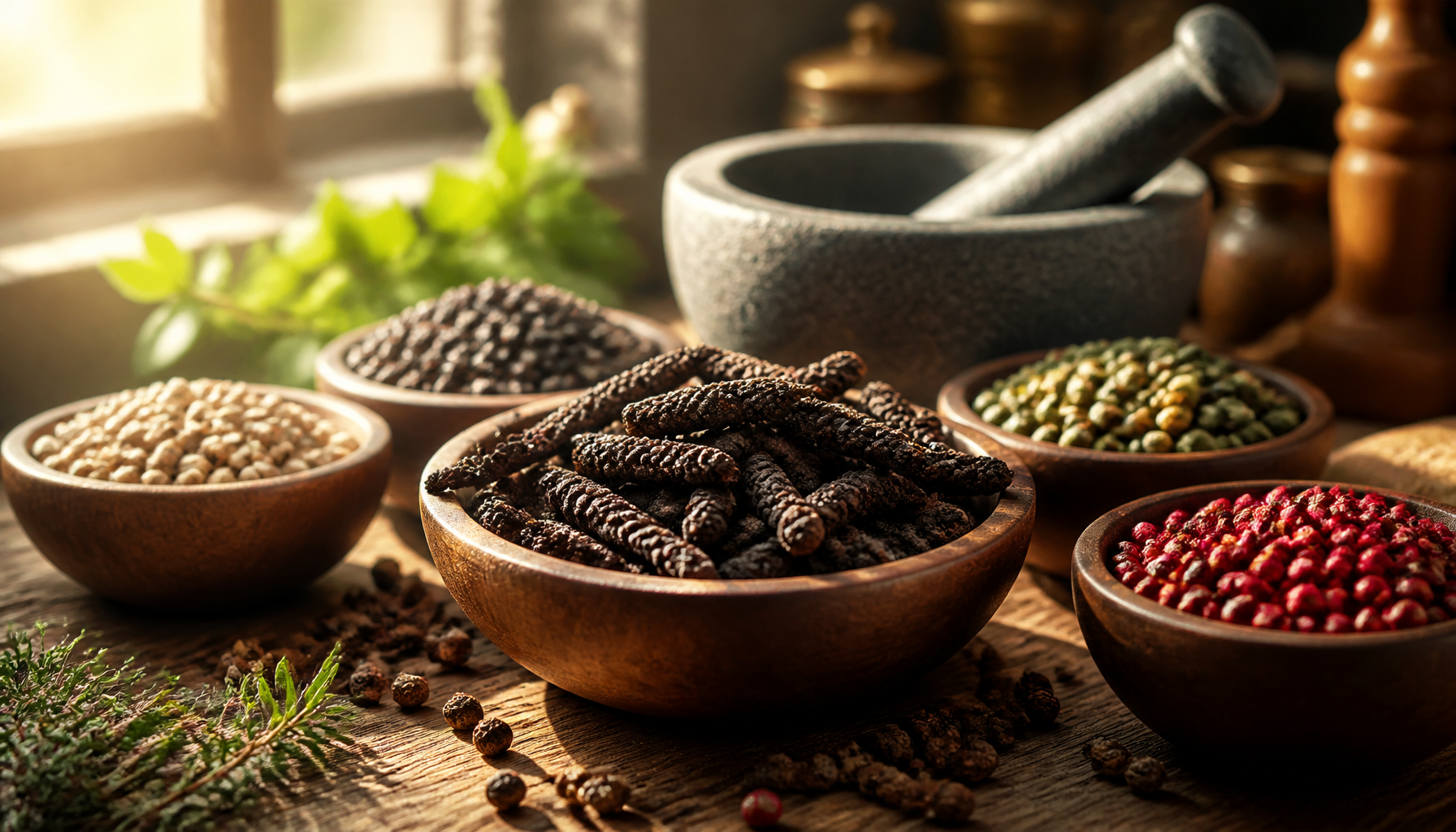
VarietyFlavor ProfileCommon Uses
Black PepperBold and pungentGeneral cooking, marinades
White PepperMilder and earthierLight-colored dishes, sauces
Green PepperFresh and herbalThai dishes, seafood
Red PepperSweet with spiceSauces, decorative garnishes

Culinary Uses of Peppercorns Marich

Peppercorns Marich are versatile and can be used in a myriad of culinary applications. From adding heat to savory dishes to complementing sweet creations, peppercorns play a pivotal role in global cuisines.

  • Whole peppercorns are used in brines and pickling solutions.
  • Crushed peppercorns add texture to rubs and marinades.
  • Ground pepper is a universal seasoning used in virtually every cuisine.

💡 Pro Tip: Freshly ground peppercorns deliver a more intense flavor than pre-ground pepper. Invest in a quality pepper grinder for the best culinary experience.

Health Benefits of Peppercorns Marich

Beyond their culinary applications, peppercorns offer notable health benefits, particularly attributed to piperine, their active compound.

  • Digestive Support: Peppercorns stimulate the secretion of digestive enzymes, promoting better digestion.
  • Antioxidant Properties: Rich in antioxidants, peppercorns help combat oxidative stress.
  • Nutrient Absorption: Piperine enhances the absorption of nutrients like curcumin from turmeric.
  • Anti-inflammatory Effects: Regular consumption can help reduce inflammation in the body.

The Historical Significance of Peppercorns Marich

Peppercorns have played an essential role in history, often referred to as “black gold” due to their immense value. They were a driving force behind the Age of Exploration, as European nations sought new trade routes to access these precious spices. The spice trade not only connected diverse cultures but also influenced political alliances and economic dynamics.

In South Asia, peppercorns have been used for over 4,000 years, as documented in ancient texts and archaeological findings. Their trade through the Indian subcontinent was pivotal in establishing economic and cultural exchanges with the rest of the world.

Sourcing and Storing Peppercorns Marich

When sourcing peppercorns, quality is paramount. Look for reputable spice merchants who provide detailed provenance information. Premium peppercorns often come from specific regions known for their superior quality, such as Malabar in India or Kampot in Cambodia.

  • Storage: Store peppercorns in an airtight container away from light and heat to preserve their potency.
  • Shelf Life: Whole peppercorns can last up to 3-4 years, while ground pepper should be used within 1-2 years.

⚠️ Important Note: Always buy whole peppercorns and grind them as needed to ensure the freshest flavor.

In conclusion, peppercorns Marich are more than just a seasoning; they are a testament to the rich tapestry of human history and culinary innovation. By understanding their varieties, uses, and benefits, you can appreciate the profound impact this humble spice has had on our world. Embrace peppercorns in your culinary journey, and let them inspire new flavors and experiences in your kitchen.

Frequently Asked Questions

What is Marich?

Marich is the Sanskrit word for pepper, reflecting its deep historical roots in South Asian culture.

Which peppercorn variety is the spiciest?

Black peppercorns are generally considered the spiciest, due to their high piperine content.

How should I store peppercorns?

Store peppercorns in an airtight container in a cool, dark place to maintain freshness.

{ “@context”: “https://schema.org”, “@type”: “FAQPage”, “mainEntity”: [ { “@type”: “Question”, “name”: “What is Marich?”, “acceptedAnswer”: { “@type”: “Answer”, “text”: “Marich is the Sanskrit word for pepper, reflecting its deep historical roots in South Asian culture.” } }, { “@type”: “Question”, “name”: “Which peppercorn variety is the spiciest?”, “acceptedAnswer”: { “@type”: “Answer”, “text”: “Black peppercorns are generally considered the spiciest, due to their high piperine content.” } }, { “@type”: “Question”, “name”: “How should I store peppercorns?”, “acceptedAnswer”: { “@type”: “Answer”, “text”: “Store peppercorns in an airtight container in a cool, dark place to maintain freshness.” } } ] }
.wh-rel{max-width:880px;margin:30px auto 10px;padding:22px 24px;border:1px solid #e6e9f0;border-radius:16px;background:#f6f8fc;font-family:Inter,system-ui,sans-serif}.wh-rel h3{margin:0 0 10px;font-size:19px;color:#14213d;padding:0}.wh-rel ul{margin:0 0 12px;padding-left:20px}.wh-rel li{margin-bottom:6px}.wh-rel a{color:#1f6feb;text-decoration:none}.wh-rel .hub{font-weight:700}

Asparagus in Nepali: A Cultural and Culinary Insight

Asparagus in Nepali: A Cultural and Culinary Insight

Asparagus, known as “Kurilo” in Nepali, is a vegetable that holds both cultural and culinary significance in Nepal. Whether you’re a cooking enthusiast eager to explore new ingredients or a language learner intrigued by the diverse Nepali vegetable names, understanding asparagus in Nepali offers a unique insight into the country’s rich culinary tapestry. This article will delve into the translation, cultural importance, nutritional benefits, and culinary applications of asparagus within the context of Nepal.

📌 Key Takeaways

  • Discover the Nepali translation and significance of asparagus.
  • Explore asparagus recipes and its role in Nepali cuisine.
  • Learn about the health benefits of incorporating asparagus into your diet.
id=”understanding-asparagus-in-the-nepali-language” class=”autoblogger-h2″ style=”font-size: 1.75rem; font-weight: 800; color: #0f172a; margin: 2.5rem 0 1.25rem 0; border-bottom: 2px solid #e2e8f0; padding-bottom: 0.5rem;”>Understanding Asparagus in the Nepali Language

Translation and Pronunciation

In the Nepali language, asparagus is referred to as “Kurilo” (कुरिलो). Pronounced as ‘koo-ree-lo’, this term is often used in local markets and recipes. The translation not only aids in identifying this vegetable but also reflects a linguistic connection to the region’s diverse vegetable offerings. For more on Nepali vegetable names, you can explore resources like [Ethnologue](https://www.ethnologue.com).

Cultural Importance

Asparagus, or Kurilo, holds a particular place in Nepali culture, often associated with health and vitality. Traditionally, it is believed to have medicinal properties that benefit digestion and overall wellness. In rural areas, Kurilo is not just a food item but a part of the indigenous knowledge system, where its value extends beyond culinary use to include herbal remedies. This cultural significance highlights the integral role of asparagus in both the diet and traditional medicine of Nepal.

Nutritional Benefits of Asparagus

Vitamins and Minerals

Asparagus is a powerhouse of essential vitamins and minerals. It is rich in vitamins A, C, E, K, and B6, along with folate, iron, copper, calcium, and fiber. These nutrients contribute to its standing as a health-boosting vegetable. For a detailed breakdown of its nutritional profile, you might find [Healthline’s article on asparagus health benefits](https://www.healthline.com) quite informative.

Health Advantages

Incorporating asparagus into your diet can lead to numerous health benefits. The high fiber content aids in digestion, while its antioxidant properties help combat free radicals and reduce inflammation. Furthermore, asparagus supports heart health by lowering blood pressure and cholesterol levels. Regular consumption can also enhance cognitive function and boost mood due to its high folate content, which is crucial for brain health.

Asparagus in Nepali Cuisine - asparagus in Nepali
Asparagus in Nepali Cuisine

Asparagus in Nepali Cuisine

Traditional Dishes

In traditional Nepali cuisine, asparagus is often used in various dishes that reflect the country’s rich culinary heritage. One such dish is “Kurilo Tarkari,” a simple yet flavorful asparagus curry that combines the vegetable with spices like cumin, turmeric, and coriander. This dish is typically served with rice or roti, offering a wholesome and nutritious meal.

Modern Recipes

Modern Nepali cuisine has seen a fusion of traditional flavors with contemporary cooking techniques. As a result, asparagus is now featured in innovative recipes such as asparagus momos and Kurilo stir-fry. These dishes not only preserve the authentic taste of Nepal but also introduce a modern twist that appeals to a global palate. For authentic recipe ideas, you can visit [Nepali Cooking](https://www.nepalicooking.com).

Growing and Sourcing Asparagus in Nepal - asparagus in Nepali
Growing and Sourcing Asparagus in Nepal

Growing and Sourcing Asparagus in Nepal

Cultivation Practices

Asparagus cultivation in Nepal is primarily carried out in the hilly regions, where the climate is conducive to its growth. The plant thrives in well-drained soil with ample sunlight. Farmers often use organic farming practices to ensure the quality and sustainability of the produce. The cultivation process involves careful planting, regular watering, and timely harvesting to ensure that the asparagus remains tender and flavorful.

Where to Buy

If you are in Nepal and looking to purchase asparagus, local markets and vegetable shops are your best bet. Cities like Kathmandu and Pokhara have bustling markets where fresh Kurilo is readily available. Additionally, supermarkets and grocery stores often stock asparagus, making it accessible for both locals and tourists. It’s always a good practice to check the freshness and quality before purchasing.

Tips for Cooking Asparagus

Preparation Techniques

Preparing asparagus for cooking involves a few simple steps. Start by washing the stalks thoroughly to remove any dirt or grit. Trim the woody ends of the asparagus, as they can be tough and chewy. A common technique is to bend the stalk until it snaps naturally, indicating where the tender part begins.

Cooking Methods

There are several methods to cook asparagus, each bringing out different flavors and textures:

  1. Steaming: This method preserves the nutritional content and gives the asparagus a vibrant green color. Steam for 3-5 minutes until tender.
  1. Grilling: For a smoky flavor, toss asparagus with olive oil, salt, and pepper, then grill for about 5-7 minutes.
  1. Stir-frying: A quick and easy method, stir-fry asparagus with garlic and ginger for a flavorful side dish.
  1. Roasting: Roast at 400°F (200°C) for 10-15 minutes, allowing the asparagus to caramelize and develop a deeper flavor.

💡 Pro Tip: To enhance the flavor, add a squeeze of lemon juice or a sprinkle of parmesan cheese after cooking.

By exploring the rich cultural and culinary landscape of asparagus in Nepal, one can appreciate its versatility and health benefits. Whether you’re savoring traditional dishes or experimenting with modern recipes, asparagus offers a delightful addition to any meal.

Frequently Asked Questions

What is asparagus called in Nepali?

Asparagus is called ‘Kurilo’ in Nepali.

How is asparagus used in Nepali cuisine?

Asparagus is used in various traditional and modern Nepali dishes.

What are the health benefits of asparagus?

Asparagus is rich in nutrients and offers benefits like improved digestion.