Select Page

Muna Madan Nepali Book Review

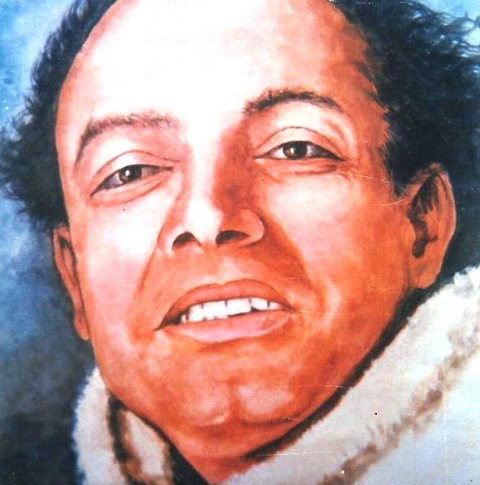
Portrait of Laxmi Prasad Devkota
Maha Kabi

Laxmi Prashad Devkota


Background of Laxmi Prasad Devkota

Laxmi Prasad Devkota is considered as one of the greatest poets of all time in Nepali literature. Born in 1909 in the mountainous village of Mangalbare in Nepal, Devkota grew up surrounded by the rich cultural heritage of his country. From a young age, he showed an immense talent for writing, and by the time he was in his 20s, he had already established himself as one of the leading literary figures in Nepal.

Nepali Literary Classic

Table of Contents

Ten chapters tracing a journey between Kathmandu and Lhasa — and the love that waited between them.

  1. 1

    Introduction

    • Background and context
    • About the author
    • Summary of the story
  2. 2

    Muna and Madan

    Chapter 1
    • Description of the characters
    • The family background and situation
    • The departure of Madan for Lhasa
  3. 3

    Muna's Struggle

    Chapter 2
    • Muna's determination to support her family
    • The challenges she faces as a single mother
    • Her hard work and sacrifice
  4. 4

    Madan's Journey

    Chapter 3
    • Madan's journey to Lhasa
    • His experiences on the way
    • His arrival and initial struggles in Lhasa
  5. 5

    Muna's Love

    Chapter 4
    • Muna's love and devotion for Madan
    • Her feelings of loneliness and longing
    • Her hopes for Madan's return
  6. 6

    Madan's Success

    Chapter 5
    • Madan's success in Lhasa
    • His growing wealth and influence
    • His friendship with a Chinese merchant
  7. 7

    Muna's Tragedy

    Chapter 6
    • Muna's illness and deteriorating condition
    • Her final message to Madan
    • Her death and funeral
  8. 8

    Madan's Return

    Chapter 7
    • Madan's return to Nepal
    • His shock at Muna's death
    • His guilt and regret
  9. 9

    Madan's Redemption

    Chapter 8
    • Madan's efforts to make amends
    • His realization of the importance of family and love
    • His final resolution
  10. 10

    Conclusion

    • Reflections on the story and its themes
    • Relevance of the story today
    • Final thoughts and recommendations

About This Story

In this book, the author has interpreted the epic love story of the character Muna and Madan. This is one of the most selling Nepali books of all time in Nepal. The author shows the love between them after the distance between them because of foreign employment in which Madan has gone to the foreign country of Job with his friends and he was left dead on the way by his friends.

This is one of the very best books of Laxmi Prasad Devkota because he told us before his death that you can burn all of his creation after his death but leave this book. So this is the evergreen book of all time.

The Story at a Glance

In Short

This is a story of a middle-class family of Nepal, where there are 3 main characters in this story. In that family, there are Son named Madan, his wife Muna, and his Mother. They all belong to village family and they had some loans on their head. One day, the Son decided to go to a place called Lasha to earn some money, make his family out of loans, and buy some golden Jewels for his wife and make his family happy in the future.

So, he has decided to go to Lasha with his friends. Muna tries to stop him and tell him

“Wealth is not everything, we are happy by eating what we have and where we are” Muna, to Madan

but also he did not listen to Muna and goes with his friends. He knows that Lasha has lots of gold and ready to travel behind the mountains.

He has spent lots of months in Lasha and after some time he wants to came back with some golds with him. He was coming from Lasha with his friends and got ill with a disease called Haiza, now he cannot walk and his friends leave him there. A bhotte of that place finds him and cared for him and he will be fine after some time. Then Madan wants to give the gold to that Bhotte but that Bhotte denies to take that Gold instead he will ask for a blessing from his mother. After being cured, Madan goes back to his own village and family. When he reaches there, he finds his mother and his wife were died due to the Death News of Madan, which was told by the Madan's friends.

Chapter by Chapter

Summary

  1. 1

    Muna and Madan

    This chapter introduces the main characters of the story, Muna and Madan. It describes their family background and situation, and the departure of Madan for Lhasa, leaving Muna and their family behind.

  2. 2

    Muna's Struggle

    This chapter focuses on Muna's determination to support her family in Madan's absence. It explores the challenges she faces as a single mother, including financial struggles and societal expectations. The chapter highlights Muna's hard work and sacrifice.

  3. 3

    Madan's Journey

    In this chapter, the story shifts to Madan's journey to Lhasa. It describes his experiences on the way and his arrival in Lhasa, as well as his initial struggles in the new environment.

  4. 4

    Muna's Love

    Chapter 4 explores Muna's love and devotion for Madan. It highlights her feelings of loneliness and longing for her husband's return. The chapter also touches on her hopes for Madan's success in Lhasa.

  5. 5

    Madan's Success

    This chapter focuses on Madan's success in Lhasa. It describes his growing wealth and influence, as well as his friendship with a Chinese merchant.

  6. 6

    Muna's Tragedy

    Chapter 6 is a tragic one that explores Muna's illness and deteriorating condition. It highlights her final message to Madan and her eventual death and funeral.

  7. 7

    Madan's Return

    This chapter marks Madan's return to Nepal. It describes his shock at Muna's death and his guilt and regret over leaving his family behind.

  8. 8

    Madan's Redemption

    In the final chapter, Madan makes efforts to make amends for his mistakes. He realizes the importance of family and love, and the chapter concludes with his final resolution.

Themes

The book is a tragic story of love, loss, sacrifice, and redemption. It explores themes such as family values, societal expectations, and the consequences of one's choices. The story is timeless and continues to resonate with readers today.

In-Depth Analysis
I

Overview of “Muna Madan”

“Muna Madan” is a long narrative poem that tells the story of a young man named Muna Madan who is forced to leave his home in search of work. The poem is written in traditional Nepali verse form and is rich in cultural and historical references. Through the journey of Muna Madan, the poem explores themes of love, loss, sacrifice, and the human condition. The poem is widely considered to be Devkota's masterpiece and is one of the most popular works in Nepali literature.

II

Themes in “Muna Madan”

One of the central themes in “Muna Madan” is the idea of sacrifice. Muna Madan leaves his home and loved ones behind in search of work, sacrificing his own happiness for the sake of his family. This theme is central to the Nepali cultural identity, as sacrifice is seen as a necessary aspect of life. Through Muna Madan's journey, the poem highlights the importance of sacrifice in the face of adversity and the strength that it can bring to those who make it.

Another important theme in “Muna Madan” is love. The love between Muna Madan and his wife, Jivana, is one of the central relationships in the poem. Their love is portrayed as a symbol of hope and perseverance, even in the face of great hardship. Through their relationship, the poem explores the idea that love can conquer all and can provide the strength needed to overcome even the greatest obstacles.

III

Style of “Muna Madan”

The style of “Muna Madan” is characterized by its traditional Nepali verse form, rich cultural references, and its use of imagery and metaphor. Devkota's mastery of the Nepali language is evident in the intricate wordplay and lyrical prose that pervade the poem. The use of imagery and metaphor serve to heighten the emotional impact of the poem, allowing the reader to fully immerse themselves in the world of Muna Madan.

IV

Impact of “Muna Madan” on Nepali Literature

“Muna Madan” has had a profound impact on Nepali literature, serving as a benchmark for subsequent generations of writers. The poem's themes of sacrifice and love have been widely adopted by other writers and continue to influence contemporary Nepali literature. In addition, the poem's style and use of traditional Nepali verse form have inspired a new generation of poets to explore their own cultural heritage and traditions.

V

Conclusion

“Muna Madan” by Laxmi Prasad Devkota is a truly exceptional work of Nepali literature that has had a lasting impact on the literary world. The themes of sacrifice and love, as well as the intricate style and use of traditional Nepali verse form, make this poem a must-read for anyone interested in the rich cultural heritage of Nepal.

Final Word

With its deep cultural references and powerful themes, “Muna Madan” has rightfully earned its place as one of the most beloved and cherished works in Nepali literature. Whether you are a long-time fan or are just discovering the world of “Muna Madan” for the first time, this epic poem is sure to leave a lasting impression on you. So if you're looking for a rich, meaningful and thought-provoking read, “Muna Madan” is the book for you!

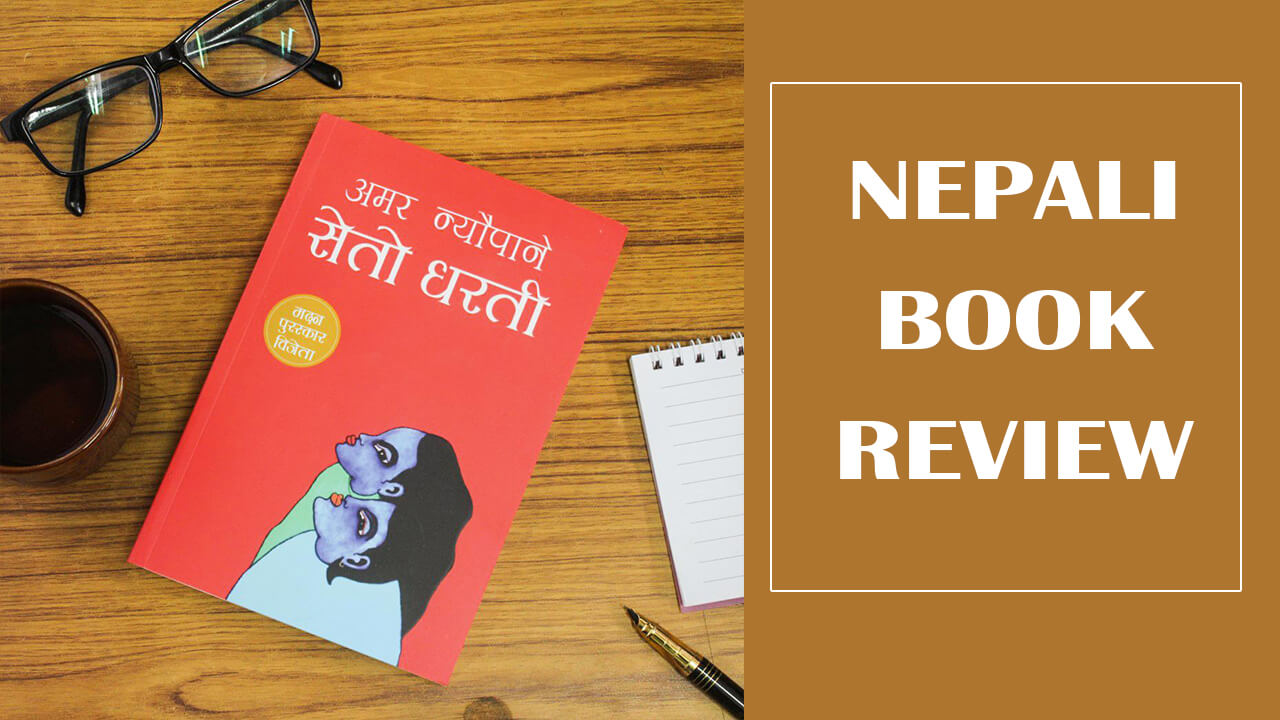
Seto Dharti – Nepali Book Review

Seto Dharti - Nepali Book Review
Amar Neupane

Amar Neupane

Author

Amar Neupane is a Nepali youth novelist and personality in Nepalese literature. His first novel Paniko Gham was published in 2066 BS and won the Padhyashree Sahitya Samman award. His collection of children’s stories Kalilo Man won the Parijat Balsahitya Pandulipi Purashkar award.

Seto Dharti Book Review: Summary, Characters, Themes and Ending Explained

Amar Neupane’s Madan Puraskar–winning novel follows Tara, married at seven and widowed at nine, through seventy-eight years of a life lived in white. Here is the full summary, a guide to every major character, what the title really means, an honest review, and a ready-to-use review essay in English.

By Wilson ShresthaUpdated 11 September 202615 min read

Seto Dharti at a glance

Seto Dharti (सेतो धरती, “White Earth”) is a 2012 Nepali novel by Amar Neupane. It is narrated by Tara, a Brahmin girl from Kaski who is married at seven and widowed at nine, when her husband dies while studying in Banaras. Stripped of colour, love and choice, she spends her youth in her father’s house and the rest of her life in a small hut at Devghat. It is one of the most honest portraits of child marriage and widowhood in Nepali literature.

Author
Amar Neupane
Original title
सेतो धरती (Seto Dharti), meaning “White Earth”
Publisher
FinePrint, Kathmandu
First published
March 2012 (2068 BS)
Length
About 373 pages, told in 68 short chapters
Genre
Social and historical fiction, written as a first-person life story
Setting
Hanspur, Kaski, and Devghat, from 1990 BS to 2068 BS (roughly 1933 to 2011)
Awards
Madan Puraskar (2012); INLS Best Book Award, Novel (2013)
4.5 / 5

Essential Nepali reading with a narrator you won’t forget. The middle slows down and the ending divides readers, but the book earns its reputation.

Contents
  1. Who is Amar Neupane?
  2. Seto Dharti book summary
  3. Timeline of Tara’s life
  4. Main characters
  5. Meaning of the title
  6. Major themes
  7. Our review
  8. Review essay in English
  9. Seto Dharti on stage
  10. Who should read it
  11. FAQs

Who is Amar Neupane?

Amar Neupane was born in 1974 in Chitwan and worked as a teacher before becoming one of the most widely read Nepali novelists of his generation. His debut novel, Paniko Gham, set in Nepalgunj, won the Padmashree Sahitya Puraskar. Seto Dharti was his second novel, and it won the Madan Puraskar, Nepal’s most respected literary award. He has since written Karodaun Kasturi and Gulabi Umer, among others.

The story has a personal root. In an interview with The Annapurna Express, Neupane said the novel was inspired by his grandmother, who was married at nine and widowed at eleven. Tara is a fictional character, but she carries the weight of many real lives like hers.

Seto Dharti book summary (full plot)

This summary covers the whole story. The ending is tucked behind a toggle, so you can stop before it if you haven’t finished the book.

A game of weddings, then a real one

Tara is born in Hanspur, Kaski, in 1990 BS, the year of the great earthquake. She is a curious, playful girl, and when the village children play at weddings, her friend Govinda is always the groom. Govinda is also the boy who first teaches her the letters of the alphabet, and the fondness she feels for him quietly stays with her for the rest of her life.

When Tara is seven, her family tells her there is a puja at home. She is dressed up and seated through a long ritual she does not understand, falls asleep in the middle of it, and only later realises that she has been married to a boy she has never met. She is taken to her in-laws’ house crying for her mother, and her mother-in-law’s rules begin to shape her small life.

Widowed at nine

Her husband leaves for Banaras (Kashi) to study and dies there. Tara is nine years old and can barely picture his face. What follows is the part of the book most readers never forget: her bangles are broken, her jewellery and bright clothes are taken away, her head is shaved, and she is wrapped in the white cloth she is expected to wear for the rest of her life. Custom keeps her with her in-laws after the death, where what she eats and how she looks are controlled so that a young widow never appears attractive.

Growing up in white

Back in her father’s house, her mother tells her to live like a son of the family and to be as patient as the earth. Tara tries. She watches her friends grow into brides and mothers while she stays fixed in white. Her friend Yamuna is happily married, and when Yamuna describes her love for her husband, Tara listens hungrily. Those stories give her a borrowed idea of intimacy and a longing she has been told she can never have.

Her childhood friend Pavitra is also a child widow, married to a man older than her own father and widowed at eleven. Where Tara obeys, Pavitra resists, and one day she leaves for Banaras with a visiting pandit. Govinda, too, goes to Banaras to study with Tara’s elder brother, and the village slowly empties of the people she loves.

Losing her mother

Tara’s mother falls ill suddenly and dies the next day. Still only a girl herself, Tara becomes a mother to her two younger brothers, the youngest just nine months old. Some of the novel’s most tender pages come from this stretch, as a child widow who will never be allowed to have children raises someone else’s.

A stepmother, and the road to Devghat

Less than three years after her mother’s death, Tara’s 44-year-old father marries an 11-year-old girl. The same custom that ruined Tara’s childhood now repeats itself inside her own home. The house turns hostile, her father sides with his new wife, and the brother she raised builds a life of his own. At thirty-three, with no place left for her, Tara slips away from home and joins pilgrims walking south to Devghat (sometimes written Dev Ghat), the sacred meeting point of the Kali Gandaki and Trishuli rivers, where widows traditionally went to spend their final years in devotion.

Life at Devghat

Tara builds a small hut, helps with religious work, and gives her life to God, or tries to. The swami of the ashram reminds her of Govinda, and a quiet attraction grows between them that neither can fully admit. In her dreams she takes many husbands and calls herself a “dream Draupadi”: a woman untouched in body but not in mind.

Years later Yamuna also arrives at Devghat, widowed after a full married life. Tara notices something that unsettles her. Yamuna, who lived and loved freely, can let go of desire easily. Tara, who was never allowed to live, cannot.

Pavitra returns as Gangeshwari

One day a wealthy and respected spiritual teacher named Gangeshwari arrives at Devghat as a major donor. One night she visits Tara’s hut and reveals who she really is: Pavitra. In Banaras, she first sang bhajans in an ashram, then lived for about fifteen years as a courtesan and built a fortune. At thirty-five she left that life, raised a daughter alone who became a university professor, turned to spiritual study, and came home to Nepal under a new name.

Tara is shocked and goes to tell the swami that Pavitra has “polluted” the holy ground, but when she stands in front of him, she cannot say it. Instead, she hears herself saying that Pavitra has already attained moksha. Slowly she understands why.

Pavitra lived through her desires and came out of them clean. Tara buried hers and carried them all her life. One was a courtesan in body but pure in mind; the other stayed pure in body but never in mind. The whole novel turns on that reversal.

How does Seto Dharti end?

Near the end of her life, Tara finally meets Govinda again, the boy she carried in her heart for seven decades. It is not the reunion she dreamed of. Govinda took a government job in the city, married twice, and lived a full family life, yet he is now old, sick and lonely. Tara finds him far less than the man she had imagined, and she sees that he is, if anything, unhappier than she is. When he asks whether she lives alone in her hut, she answers that God is with her.

The book closes with Tara at seventy-eight, looking back on a life spent without colour in the name of God, and asking herself why she agreed to live it that way.

A common mistake: some summaries online say Tara “finally finds happiness” with Govinda. The novel does not say that. The meeting is quiet, disillusioning and deliberately open-ended, which is exactly why readers still argue about it.

Timeline of Tara’s life

The novel spans almost eight decades. Notice where the colour leaves her story.

  1. 1990 BSBorn in Hanspur, Kaski

    Arrives in the year of the great earthquake, into a traditional Brahmin family.

  2. Age 7Married to a stranger

    Told it is a puja, she falls asleep during her own wedding.

  3. Age 9Widowed

    Her husband dies while studying in Banaras. Bangles broken, head shaved, white for life.

  4. GirlhoodHer mother dies

    Tara raises her baby brother and runs the household.

  5. YouthHer father remarries a child

    At 44 he marries an 11-year-old, and home becomes hostile.

  6. Age 33Leaves for Devghat

    Slips away from home to live as a devotee by the river.

  7. Later yearsYamuna and Pavitra return

    Two old friends, two very different lives, one confession that changes how Tara sees her own.

  8. Age 78 (2068 BS)Govinda, and the end of her story

    The reunion she waited a lifetime for, and a final look back.

The red thread ends at age nine. Everything after is lived in white.

Main characters in Seto Dharti

The cast is small, and each character shows a different way a woman could live, or fail to live, inside the same rules.

Taraतारा
The narrator. Obedient, observant and painfully honest, she follows every rule society gives her and pays for each one. Her voice, moving from a child’s confusion to an old woman’s clarity, is the heart of the book.
Pavitra / Gangeshwariपवित्रा
Tara’s childhood friend and mirror image. Widowed at eleven, she breaks every rule, lives many lives in Banaras, and returns as a revered teacher. Her name literally means “pure”, an irony the novel uses deliberately.
Yamunaयमुना
A happily married friend whose stories of love give Tara a borrowed window into intimacy. When she later arrives at Devghat as a widow, her calm shows Tara what a fulfilled life makes possible.
Govindaगोविन्द
Tara’s childhood playmate, the groom in their wedding games and the boy who taught her the alphabet. He is her lifelong, unspoken love, and the gap between the Govinda she imagined and the man she meets is the book’s last lesson.
The swamiस्वामीजी
The spiritual guide at the Devghat ashram. Through him the novel questions whether renunciation is possible for someone who was never allowed to have anything to renounce.
Tara’s motherआमा
Loving but bound by custom, she teaches Tara to endure like the earth, the lesson that gives the novel its title.
Father and stepmotherबुबा र सौतेनी आमा
Her father’s marriage to an 11-year-old shows the same system from the other side, and pushes Tara out of her home for good.

What does “Seto Dharti” mean?

Seto means white and dharti means earth. White is the colour widows were made to wear once their red sindoor and bangles were taken away. The earth stands for silent endurance: after Tara is widowed, her mother tells her to be as patient as the earth, which bears whatever is done to it without complaint.

So “white earth” describes what a widow was expected to become: colourless, and endlessly patient. The novel spends nearly four hundred pages asking whether that patience was a virtue, or something that was taken from her.

Major themes

Child marriage as a family decision

Tara never chooses anything that shapes her life. Her marriage, her widowhood and even her clothes are decided by adults who believe they are doing the right thing. Neupane keeps the villains ordinary, which makes the system more frightening than any single cruel person.

Widowhood and the politics of colour

Colour is how society marks Tara. Red belongs to married women; white belongs to her. The book is full of small moments where she envies a flower, a festival or a friend simply for being allowed to look alive.

Desire, the body and the mind

Seto Dharti is unusually frank about a widow’s inner life. Tara’s longing never disappears just because it is forbidden, and the novel argues that suppressing desire does not make a person pure. That idea is what makes the Tara and Pavitra contrast so powerful.

Religion as refuge, and as another cage

Devghat gives Tara freedom from her family, but not from herself. Faith offers her peace and purpose, yet the book also shows how religious rules were used to justify the life she was forced into.

Two friends, two paths

Tara and Pavitra start in the same place and make opposite choices. The novel refuses to punish the rule-breaker or reward the rule-follower, and that refusal is its boldest move.

Our Seto Dharti book review

What works

The voice. Tara tells her own story in plain, local Nepali, full of village speech and short sentences. The 68 short chapters make a long book easy to read in small sittings, and her voice grows naturally from a child’s confusion to an old woman’s hard-won wisdom.

Emotional honesty. Many novels about widows stop at suffering. This one goes further and lets Tara be curious, jealous, angry and full of desire. That is what makes her feel real rather than symbolic.

History through one life. The story runs from the 1930s to 2011, and you feel the country change without the book ever turning into a history lesson. The changes reach Tara slowly, the way they reached most women in rural Nepal.

What doesn’t

A slow middle. After the gripping early chapters, the years at home and the first years at Devghat can feel repetitive.

Moments of melodrama. A few scenes, such as an orphaned baby being nursed by a dog, lean closer to sentiment than realism. Critics like Dr. Bishnu Prasad Paudel have pointed this out in their analyses of the novel.

Ideas ahead of the characters. Pavitra’s transformation and Tara’s late, radical conclusions sometimes feel more like the author’s argument than a natural change in the characters. The Govinda ending is a strong idea that deserved a few more pages.

Verdict

  • Story4.5
  • Characters4.5
  • Language5
  • Emotional impact5
  • Pacing3.5

Seto Dharti deserves its place among the most important Nepali novels of the century so far. It is not a comfortable read, and it is not flawless, but few books make a single life feel this large. Overall: 4.5 out of 5.

Seto Dharti book review essay in English

Need a review for school or college? This 400-word essay is written in simple English and follows the usual structure: introduction, summary, analysis and conclusion. Please use it as a model and add your own opinions.

About 400 words

Seto Dharti by Amar Neupane: A Book Review

Seto Dharti (White Earth), written by Amar Neupane and published by FinePrint in 2012, is one of the most celebrated Nepali novels of recent times. It won the Madan Puraskar, the highest literary award in Nepal, for its powerful picture of child marriage and child widowhood in traditional Nepali society.

The novel is narrated by Tara, a Brahmin girl from Kaski. At the age of seven, she is married to a boy she has never met, and at nine she becomes a widow when her husband dies while studying in Banaras. From that day, her bangles are broken, her head is shaved and her colourful clothes are replaced with white. Although she hardly knew her husband, society expects her to spend her whole life in his memory.

Tara grows up in her father’s house and raises her younger brothers after her mother’s sudden death. When her father marries a very young girl, her home becomes unbearable, and at the age of thirty-three she leaves for Devghat, a holy place for Hindus, where she spends the rest of her life. Through her friends, the novel shows the different paths women could take. Yamuna enjoys a loving marriage, while Pavitra, another child widow, breaks every rule, runs away to Banaras and later returns as a respected spiritual teacher. Tara follows every rule, yet she is the one who feels empty and unfulfilled.

The greatest strength of the book is its honest first-person voice. Neupane uses simple, everyday language and short chapters, which make the story easy to read and deeply emotional. He also writes openly about Tara’s inner feelings and desires, showing that a widow’s emotions do not disappear simply because society forbids them. The title is also symbolic. White is the colour of widowhood, and the earth stands for the silent patience that women were expected to show.

The novel is not perfect. The middle part feels slow and repetitive, and some events seem more dramatic than realistic. The ending, in which Tara finally meets her childhood friend Govinda, is quiet and leaves many questions unanswered.

Overall, Seto Dharti is a moving and important novel. It shows how cruel traditions can take away a person’s entire life, and it reminds us why the fight against child marriage still matters in Nepal today. I would recommend it to every student and reader who wants to understand the history of Nepali women.

Seto Dharti on stage (2026)

In April 2026 the novel was adapted for the stage at Kantipur Theatre in Gairidhara, Kathmandu, directed by Sundar Dhital with Benisha Hamal as Tara. According to The Kathmandu Post, the play set Tara’s childhood home and her Devghat hut side by side on stage, letting the older Tara step into her own memories. The director also said his biggest regret was not being able to fit Pavitra into the ninety-minute production, which shows how much of the novel lives in that friendship.

Frequently asked questions

Who is the author of Seto Dharti?

Seto Dharti was written by Amar Neupane, a novelist and teacher from Chitwan. It was published by FinePrint in March 2012.

What does Seto Dharti mean in English?

It means “White Earth”. White is the colour of widowhood, and the earth represents the silent endurance widows were expected to show.

Is Seto Dharti a true story?

It is a work of fiction. Amar Neupane has said it was inspired by the life of his grandmother, who was married at nine and widowed at eleven.

At what age was Tara married and widowed?

Tara was married at seven and became a widow at nine.

Where did Tara’s husband die?

He died in Banaras (Varanasi, also called Kashi) in India, where he had gone to study.

Why did Tara go to Devghat?

After her mother’s death, her father married an 11-year-old girl and life at home became hostile. With nowhere she belonged, Tara left at the age of thirty-three to live as a devotee at Devghat, where she stayed for the rest of her life.

Who is Gangeshwari in Seto Dharti?

Gangeshwari is Pavitra, Tara’s childhood friend, living under a new name. She arrives at Devghat as a wealthy spiritual teacher and reveals her past to Tara.

Does Tara find happiness with Govinda at the end?

No. Tara meets Govinda near the end of her life, but he is old, sick and lonely, and far from the man she imagined. The ending is quiet and open to interpretation rather than a happy reunion.

How many pages does Seto Dharti have?

The original FinePrint edition runs to about 373 pages, divided into 68 short chapters.

What awards did Seto Dharti win?

It won the Madan Puraskar in 2012 and the INLS Best Book Award (Novel) in 2013.

Sources

  1. Amar Neupane, Seto Dharti, FinePrint, 2012.
  2. Dr. Bishnu Prasad Paudel, “‘सेतो धरती’ उपन्यासको विषय वस्तु र त्यसमा अभिव्यक्त जीवन दृष्टि”, Samakalin Sahitya, 2013.
  3. Amar Neupane on portraying the practices of our society through stories”, The Annapurna Express.
  4. Jony Nepal, “‘Seto Dharti’: A heavy story, carefully staged”, The Kathmandu Post, 21 April 2026.
  5. Seto Dharti”, Wikipedia.

Written by Wilson Shrestha. Wilson writes about Nepali books, markets and technology from Kathmandu. Found a detail we got wrong? Let us know in the comments below.

Dhani Buwa Garib Buwa | Nepali Book Summary

dhani buwa gariv buwa nepali book summary

Today I am going to tell a story about a boy who has 2 fathers, 1st Father is his own father and 2nd is his friend’s father. His own father was a well-qualified Ph.D. holder and a professor of a university. He always tells him to be good at your study and you will get a good job in your future. But his friends tell him to study what you want and what you like, no need to get top grades just know to use what you learn. His 2nd dad was a businessman who runs different businesses in the USA.

Introduction: Rich Dad Poor Dad
Chapter 1: The Rich Don’t Work for Money
Chapter 2: Why Teach Financial Literacy?
Chapter 3: Mind Your Own Business
Chapter 4: The History of Taxes and the Power of Corporations
Chapter 5: The Rich Invent Money
Chapter 6: Work to Learn – Don’t Work for Money

One day when the boy was on the baseball field, watching others kids playing baseball. His 2nd dad met him there and told him, If you will work for money you will never be happy. You need to be financially free to live a happy life. As Rich Dad says, “The poor and middle-class work for money. The rich have money work for them.” “It’s fear that keeps most people working at a job: the fear of not paying their bills, the fear of being fired, the fear of not having enough money, and the fear of starting over. That’s the price of studying to learn a profession or trade, and then working for money. Most people become a slave to money – and then get angry at their boss.”

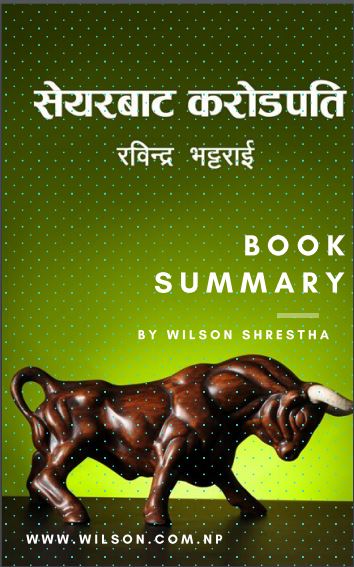
Share Bata Karodpati Nepali Book Summary

Rabindra Bhattarai

Rabindra Bhattarai

Author

Qualification: MA in Finances & Investment
Work: Teacher at Sankar Dev Campus for more than 13 Years.
He is a share expert and travels to different parts of Nepal to provide training. He has written more than 10 share related books

How to earn money without work?

Let Money work for you

If you didn’t let money work for you then you will have to work for others for money.

Share market is the place where you let your money work for you.


First work for Money

At the beginning we might not have money to invest in share, so that we have to work for money by doing business or a job. Then we can handle our expense and save money for investment.


Early invest early retire

We have to be like players, they start earning in the young age and retire early in their life.


Do Business than Job

Job has constant income for certain time but business has no constant income and it can go for very long period of time.


Let Knowledge work

Investment in knowledge can pay the best interest.


Let system work

Let your business be automated which does not needs you to run. You must be in a Financial Freedom.


Let Technology work

If technology can replace manpower then get that technology in place of that manpower.

How to Enter Stock Market?

Primary Market

Primary issue of share in the share market is also known as initial public offering (IPO).

To apply for IPO you must have:

  • Applicant’s Photo
  • Citizenship’s Photocopy
  • Bank Account

If you are beginner and wants to enter in share market for the first time you should enter in Primary market first because its easy and less risky.


Secondary Market

Share which has been issue in Primary market and will be again traded between buyers and seller in presense of broker is called secondary market. Nepal Stock Exchange Ltd. (NEPSE) is only one Nepal’s Secondary Market. For buying and selling in secondary market you have to Inlist your company share in NEPSE.


Broker

An authorized company by NEPSE for trading shares. It’s Illegal to trade shares without the brokers.


Trading Account

Its compulsory to create a trading account in broker’s company to trade shares.

Following items are needed to create a Trading Account.

  • 1 Applicant’s Photo
  • Citizenship’s Photocopy
  • Applicant’s birth certificate

You cannot use same Trading Account to different broker company, If you want to trade from different brokers you have to create different Trading Account from that respective broker’s company


Demat Account

Demat (Demataralisation) Account is also a compulsory account to register share in electronic system which provides the facility of securities and holding shares. You can create account through CDS and Clearing Limited(www.cds.com.np)

[dsm_perspective_image src=”https://wilson.com.np/wp-content/uploads/2021/01/Buy-second-hand-books-in-nepal.jpg” title_text=”Buy-second-hand-books-in-nepal” url=”https://wilson.com.np/nepali-books-pdf/” align=”center” _builder_version=”4.9.3″ custom_margin=”||2px|||” hover_enabled=”0″ sticky_enabled=”0″][/dsm_perspective_image]

Free Download Nepali Books PDF

Download Nepali Books PDf

Here we can get book descriptions and book summaries of Best Nepali Novel, Nepali Story Book, business, friction and Motivational, and many more, you can even download pdf of Ebooks of Nepali books. Following the list, books are the most popular & top selling Nepali Books in the market. However, if you want to buy books you can order online aswell. There are many reasons to read regularly. Above all, it keeps you stress-free. If you read this book, after that please comment below. 

Nepali Book Muna Madan free download pdf

मुनामदन | Muna Madan

Author: Laxmi Prasad Devkota
Publisher: Sajha Prakashan
First Publish Year: 2008 BS
Language: Nepali
Genre: Poetry

In this book the author has interpreted the epic love story of the character Muna and Madan.  This is one of the most selling Nepali books of all time in Nepal. The author has shown the love between them after their distance between them because of foreign employment in which Madan has gone to the foreign country of Job with his friends and he was left dead in the way by his friends.

This is one of the very best books of Laxmi Prasad Devkota because he told before his death that you can burn all of his creation after his death but leave this book. So this is the evergreen book of all time.

The Bhagavadgita

Publisher: Gita Press
First Publish Year: 2007
Genre: Literature 

Truly speaking, none has power to describe in words the glory of the Gita, for it is a book containing highest esteric doctrines. It is the essence of the vedas; its language is so sweet and simple that man can easily understand it after a little practice; but the thoughts are so deep that none can arrive at their end even after constant study through out a life-time. Evreyday they exhibit new facets of Truth, therefore they remain ever fresh and new.

Mahabharat

Author: Maharishi Vedavyasa
Language: Nepali
Genre: Literature 

The Mahabharata is a truly timeless epic, with something to offer readers of all ages and backgrounds.

Here is one of my favorite quotes from the Mahabharata book:

“The mind is everything. What you think, you become.”

This quote reminds us that our thoughts have a powerful impact on our lives. If we want to achieve our goals and live our best lives, we must first learn to control our minds and cultivate positive thoughts. For more inspiration like this please download and read this book.

श्रीमद्‍भगवद्गीता

Publisher: Gita Press
First Publish Year: 2007
Genre: Literature 

The Bhagavad Gita , often referred to as simply the Gita, is a 700-verse Hindu scripture in Sanskrit that is part of the Hindu epic Mahabharata . The Bhagavad Gita is a Bhagavata explanation of the Purusha Sukta and the Purushamedha Srauta yajna described in the Satapatha Brahmana.

Nepali Book Sumnimaa free download pdf

सुम्निमा | Sumnima

Author: Bishweshwar Prasad Koirala
Publisher: Sajha Prakashan
First Publish Year: 2010 BS
Language: Nepali
Genre: Novel

B P Koirala, a former Prime Minister of Nepal is about the painful complications that arise in a man-woman relationship. The story is about the powerful attraction that exists between a Brahmin boy “Somdutta” and an ordinary Kirati girl “Sumnima”. His unexpressed love for Sumnima haunts Somdutta till the end of his life. He comes to think that the sacred education, which was supposed to be a ladder to salvation and austerity, kept him from true happiness and actually experiencing life. He realizes that the false line drawn by religion separates the community into castes, classes and many other divisions. The novel depicts how the restriction of human desires and physical needs can all but ruin a person’s life.

दोषी चश्मा | Doshi Chasma

Author: Bishweshwar Prasad Koirala
Publisher: Sajha Prakashan
First Publish Year: 2073 BS
Language: Nepali
Genre: Novel

B P Koirala, a former Prime Minister of Nepal. The book Doshi Chasma explores the psychological aspect of its protagonist.

तीन घुम्ती | Teen Ghumti

Author: Bishweshwar Prasad Koirala
Publisher: Sajha Prakashan
First Publish Year: 2066 BS
Language: Nepali
Genre: Novel

B P Koirala, a former Prime Minister of Nepal. The book “Teen Ghumti” is the story of a Newar girl of Kathmandu Indramaya (Garima Panta), who falls in love with Pitambar (Dhruba Dutta), from a Brahmin family. 

हिटलर र यहूदी | Hitler ra Yahudee

Author: Bishweshwar Prasad Koirala
Publisher: Sajha Prakashan
First Publish Year: 2049 BS
Language: Nepali
Genre: Novel

B P Koirala, a former Prime Minister of Nepal. Book “Hitler ra Yahudee” is the author has explained about the painful experience in prison during those struggling periods. Similarly, through this book, the author has even mentioned about the Nepali society of that time.

शाकुन्तल | Shakuntala

Author: Laxmi Prasad Devkota
Publisher: Sajha Prakashan
First Publish Year: 1945 BS
Language: Nepali
Genre: Poetry

Mahakavi Laxmi Prasad Devkota wrote Shakuntala, his first epic poem and also the first “Mahakavya” (epic poem) written in the Nepali language, in a mere three months. Published in 1945, Shakuntala is a voluminous work in 24 cantos based on Kālidāsa’s famous Sanskrit play Abhijñānaśākuntalam. Shakuntala demonstrates Devkota’s mastery of Sanskrit meter and diction which he incorporated heavily while working primarily in Nepali. According to the late scholar and translator of Devkota, David Rubin, Shakuntala is among his greatest accomplishments.

Purple Haze

Author: Ashish Jung
Publisher: Gorkha Publications
First Publish Year: 2020 AD
Language: Nepali
Genre: Novel

This book is a must-read for characters who are forced to live a depressing life in order to impress others. Understand that ignorance makes the mind as heavy as a rhinoceros, and knowledge makes it lighter than a balloon. I can’t change you. You change yourself. If the same people are cheating on you again and again, you are to blame. Because, you are irresponsible, careless and very stupid and you are repeating the same mistake over and over again.

Shwet Bhairabi

Author: B.P. Koirala
Language: Nepali
Genre: Literature

Published: January 1, 2011 by साझा प्रकाशन

ISBN: 9789993326601 (ISBN10: 9993326607)

 The stories of Sannani, Writer Baje, Ek Raat, and Shwet Bhairavi. 

Channakya Niti

Author: Roshan Dahal
Publisher: Panch Pokhari Prakashan
First Publish Year: 2075 BS
Language: Nepali
Genre: Philosophy

No one should be friends with someone with less or more competition. Friendship with a less prestigious person is always sad. Such people always hope for help and think only about taking advantage. They will not be able to help you when you are in trouble. If you have a friendship with a person who is more prestigious, you start to compare yourself with that person. And the feeling of jealousy arises inside you. That’s why friendship should be with people at your level.

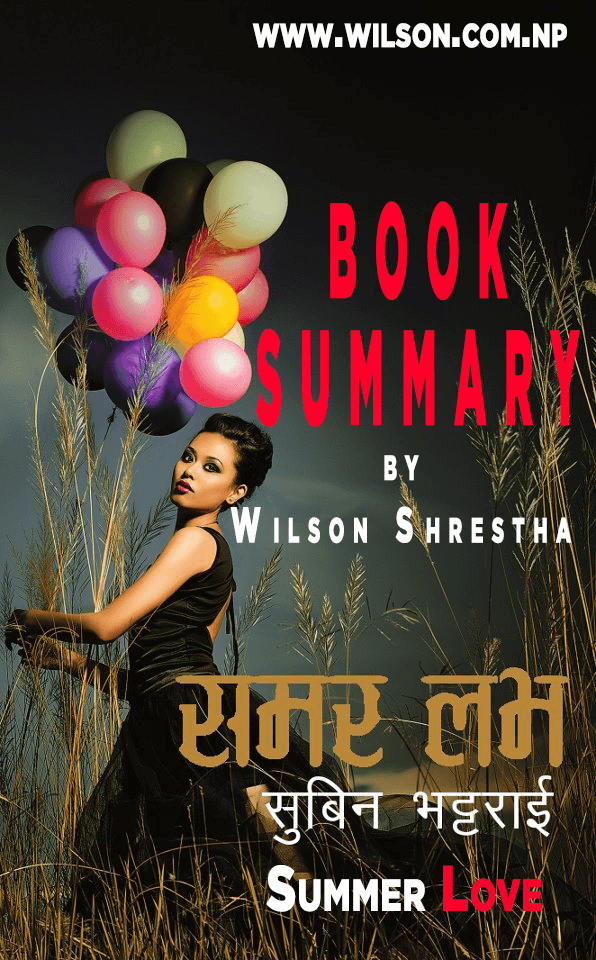
समर लभ / Summer Love

Author: Subin Bhattarai
Language: Nepali language
Publisher: FinePrint
Pages: 247
ISBN: 9789937856386
Summer Love Book Summary is a heart-touching romantic love story and one of the most selling Nepali books. A romantic intercaste love Story of Saya and Atit.

Share bata karodpati

Author: Rabindra Bhattarai

Qualification: MA in Finances & Investment
Work: Teacher at Sankar Dev Campus for more than 13 Years.
He is a share expert and travels to different parts of Nepal to provide training. He has written more than 10 share related books


Sartalipasha Haiku Sangraha

Author: Ramesh Prabhat
Address: Mangalpur-1, Chitwan
Language: Nepali
Genre: Haiku Sangraha

एक चिहान | EK CHIHAN

Author: Hridaya Chandra Singh Pradhan
Publisher: Phoenix Books
First Publish Year: 2075 BS
Language: Nepali
Genre: Novel

In this book the author has shown the problem of poor Newar family of Kathmandu which is based on the real story. This novel has inaugurated the farmers’ problems and has also highlighted the importance of interracial marriage. In our society, caste system is buried. People here are not able to get rid of the enclosed area of ​​territorialism and ethnicity. The novel has been presented by breaking this compressed circle. The main characters of this novel are standing as anti-social rites and traditions. Therefore, Shivwanara has been married to his brother Hushanara for marrying a woman Tamangi, while marrying Tarai Ram Khekhvan Tarai of Terai Nainthuku, Raut has formed an interconnected marriage.

This page is created to get free

Download Nepali Books PDF

you can suggest for more Books Pdf CONTACT ME

ENJOY READING

[dsm_blog_carousel include_categories=”7″ _builder_version=”4.16″ _module_preset=”default” global_colors_info=”{}”][/dsm_blog_carousel]
Nepali Jokes in English, beautiful Nepali looks and design banner
NEPALI BOOK REVIEW
Dashain greeting card design and social media graphic design post

Second hand books in Nepal

Share bata karodpati book summary in Nepali

Price: Rs.200

Share bata karodpati book summary in Nepali

Price: Rs.500

Share bata karodpati book summary in Nepali

Price: Rs.250

Share bata karodpati book summary in Nepali

Price: Rs.250

Fill up the above form, If you want to buy these books or you can also order your books.

Second Hand Books in Nepal

Are you searching for second hand books in Nepal? So, There were many problems to get books at a very cheap price. So we are helping the customers to get the books at a very cheap price. Most of the used books are getting ruin on the shelf and readers are not getting the chance to read books due to the price of new books. So, we are here to provide quality books to our customers. We want to save the second hand books in Nepal. For Seller, Please Contact me if you want to sell your used books https://wilson.com.np/contact Click here if you want to sell your books.  It’s very difficult to trust a person, who is selling second hand books in Nepal because we face that some page of the book is missing, so it could save you from getting tricked and help you out from thugs.

Our Growing Community

Right Now we are just selling Second-hand Novel, we will upgrade to education textbooks further. You can still order these books we will get the vendor for you. Mainly we are focusing on Novels, biography, fiction and non-fiction books. Follow us on our Facebook group to get the recent books in and you can ask any questions. As well as you can suggest to us if you find and difficulty in our services and products.  https://www.facebook.com/groups/BuyBooksNepal/

For New Books Lover

We Also provide New books form Buy books Nepal. We have free delivery for a limited time so hurry up and grab this amazing offer. The more books you buy from us, you can get a more heavy discount form us. As you know, don’t be late to grab this offer. If you buy new books from us we will help you to sell those books in the used books market. Do you want even more books, just contact us, simple! 🙂