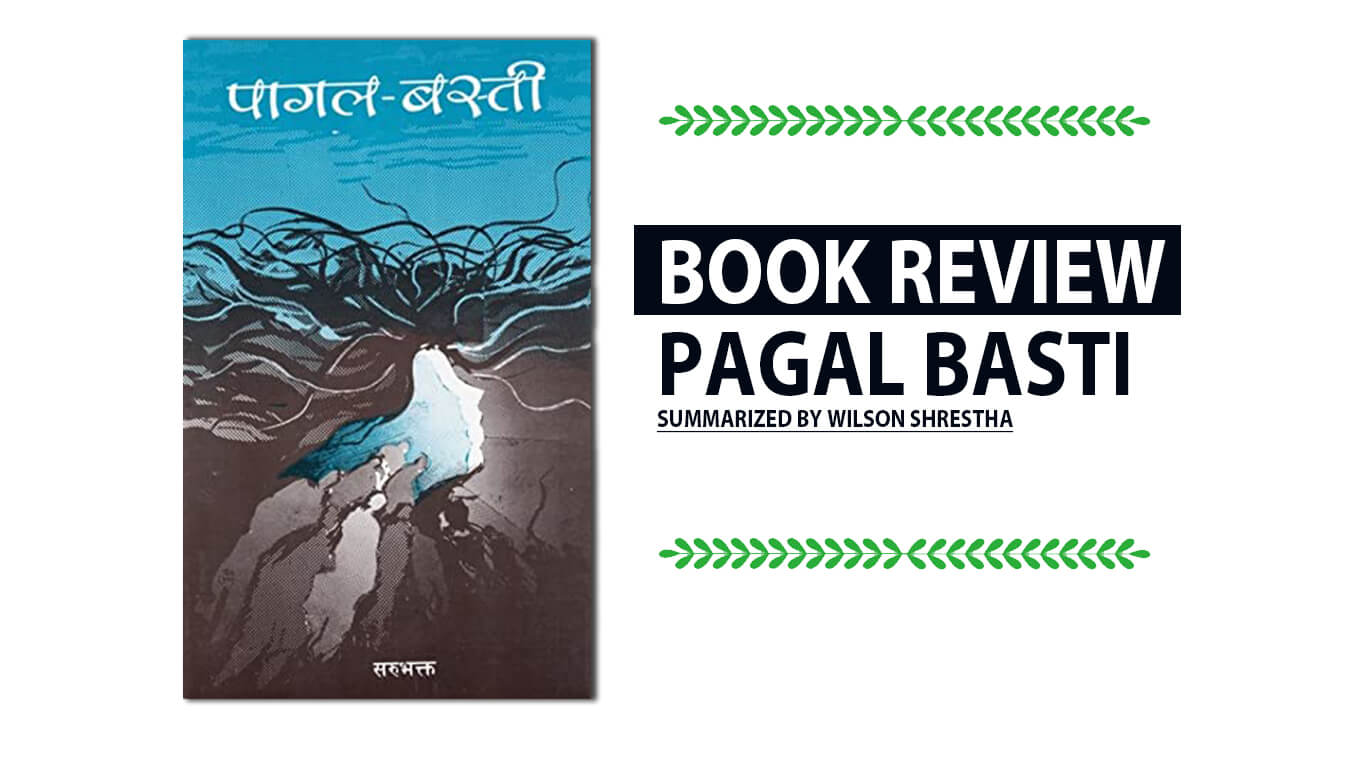
Published Date: 01-01-2014 Book Award: Madan Puraskar [मदन पुरस्कार] ISBN: 9789937322980 Publisher: Sajha Prakashan Book Genre: Novel
Pagal Basti is a classic Nepalese book. It’s a sad love story that’s unlike anything you’ve ever seen before. Family and society play an important role in most love stories, but this one is different because there is no third party involved in the lovers’ lives.
When we think of love, we can describe it in a variety of ways, see it in a variety of ways, and experience it in a variety of ways. Before falling in love, one must understand the true essence of love. While I say this, it may sound like it’s an adolescent love story about two people who fell in love but don’t understand what love is. But, in reality, this is a narrative about two adult individuals who understand what love is and how valuable it is. They were intelligent, considerate, and even successful in life. However, because the two of them experienced love at different times and in distinct ways, their love was incompatible. They ended up nowhere but vanity as a result of the fight between two types of love. I never imagined that time could play such a significant part in one’s life. Time may be both a healer and an adversary.
Aside from love, the author has done an excellent job of addressing many aspects of our society. The author has thrown light on the hypocrisy of leaders, their useless ideas, and meaningless activities to which blind followers commit their valuable lives through a fictitious place called Pagal Basti. The author has made the reader aware that any civilization might devolve into a Pagal Basti if its individuals are not responsible for their actions and have no conscience. In the story, Pagal Basti isn’t a location where insane people are locked up; rather, it’s a place where ordinary people act insanely.
Pagal Basti is one of the best novels in decades due to the author’s thoughtfulness and a high degree of intellect, his unique method of expression, and sophisticated language employed in the plot. It gives readers the opportunity to consider how love differs from ego. It’s well worth your time to read.
Do you love Nepali romantic suspense stories? If so, then you’ll want to read “The Hidden Truth.” This is the story of Ravi, a successful businessman who falls in love with Sita, a woman who works in his company. Everything seems perfect, until Sita is accused of stealing from the company. Ravi knows she’s innocent, but no one will believe him.
Determined to clear Sita’s name, Ravi investigates the matter himself. He finds that the case is more complicated than he thought, with everyone hiding something. As he gets closer to the truth, Ravi realizes that there’s more at stake than just Sita’s reputation.
Throughout the investigation, Ravi and Sita grow closer and support each other. They eventually discover that the true thief is someone unexpected. Ravi confronts them and forces them to confess, clearing Sita’s name.
In the end, Ravi and Sita’s love triumphs over lies and deceit. They emerge stronger and more in love than ever before. This story is an excellent example of the power of love and how it can overcome anything.
If you’re a fan of Nepali romantic suspense stories, be sure to read “The Hidden Truth.” It’s a story that will captivate and inspire you, showing that love can conquer all.
Horror Story
When we were child we always heard about witches and witchcraft. In my childhood, I heard a story about a witch who takes the youth and beauty of other people. So today I am going to share a story. On a dark rainy night, a truck driver was driving the truck to the hills to load some logs of woods. Suddenly when he was traveling to the hills, the weather got worst, wind storms and thunders began to strike near the hills. It was being very difficult for him to drive so he was looking for shelter. Then he saw a small light on another top of the hills, then he decided to travel there with his truck.
After some time he reached there and found that it was an old tree-house, where there were many birds on that tree. He came near to the house and peek from a window there was a burning candle on the wooden table. He didn’t saw any person from the window then he opened the wooden cracked door and entered the house and gave a voice “Is anybody in there?”. Then someone came from the dark, it was a woman with a white sari dress. She looked so beautiful with a smile on her face and silky straight hair. The truck driver asked for help in a polite voice, then she told him to sit on the chair, and will bring him a cup of soup and a blanket. After a while, she came with a cup of soup and a blanket. The soup tastes awesome but he felt dizzy and fell asleep. Then the woman carried and throw him into the basement where there was a chunk of dead bodies.
Informative Story
A story about ZEN – Empty your mind
Once upon a time, A professor went to a zen master. He asked him the meaning of zen. The Master quietly poured a cup of tea. The cup was full but he continues to pour. The professor could not stand any longer, so he questioned the master impatiently: Why do you keep pouring when the cup is full. I want to point to you, The master said you are similarly attempting to understand zen while your mind is full. First, empty your mind of preconceptions before you attempt to understand zen. If your mind is empty. It is always ready for anything: it is open to everything. In the beginner’s mind, there are many possibilities, in the expert’s mind, there are few. You see in life, in your life, we all are full of preconceptions all the time. We are constantly judging and trying to relate things, actions, disasters to one another but this is wrong, our mind must be empty, we should not have any preconceptions, and we should take every event, every word, every feeling as what it is. Keep an empty mind, and your heart will be always full.
Zen is a type of Buddhism that focuses on awareness through the practice of meditation. … The definition of zen is slang for feeling peaceful and relaxed. An example of zen as an adjective is to have a zen experience, how you feel during a day at the spa.
Zen Means Felling peaceful and relaxed
Short Story
Doctor in a resque
Episode-1
1. A poor man was laying at the corner of the street. He got cut in his left arm.
2. Doctor walking by the road from the hospital. Suddenly saw that man in pain. The doctor tries to help and requests him to visit the hospital but the poor man denies it, he told: “I don’t need your help”. Then the doctor goes from there. After some time he came back with some first aid kits.
3. Doctor tries to cure the poor man’s wound but he still denies it. Then the doctor says “Let me help, if that wound is not cured properly then you can even lose your arm. I won’t charge any money for you.”
4. Then the poor man let the doctor cure his wound. After the treatment, the poor man says, “Thank you” in a polite voice. And the doctor smiles and tries to return back to his duty, but again the poor man calls a doctor and said, “Hy Doctor, I have my little girl in my house who is very sick. Can you help please?”
To be continue…
Episode-2
1. Then the doctor smiles again and said,” ya sure, but I can’t go far from here. I have a duty in the hospital and lots of patients are waiting for me.”
2. The poor man replied, “No it’s not far from here”
3. Then the doctor follows the poor man and goes to his old, dark and dirty house. The doctor tries to check the girl but she doesn’t let the doctor check, then the poor man convinces her by saying he is a good man and can help her.
4. After that the girl let the doctor check her. The doctor put his hand to her head, she was caught by a high fever, and then the doctor asks, “What else you feel in your body?”
5. The girl replied, “I got a continuous cough, headache, and my whole body pains with difficulty to breath.”
6. Doctor suggests to them, “We need to take her to the hospital it’s very serious”. After that, she denies it and didn’t want to go to the hospital at any cost. And tell the doctor to go from here. The doctor feels sad and returns back from there.
To be continue…
Episode-3
After some days while the doctor was working in the hospital, suddenly some people came there, searching and shouting with a loud voice for the doctor. Then the doctor saw that and run to help them. That girl was in a very serious condition and unconscious. Then the doctor admits her to ICU and starts the treatment. After huge care treatment from all the hospital’s staff, she had recovered in some days. The family of that girl felt happy and the doctor felt proud.
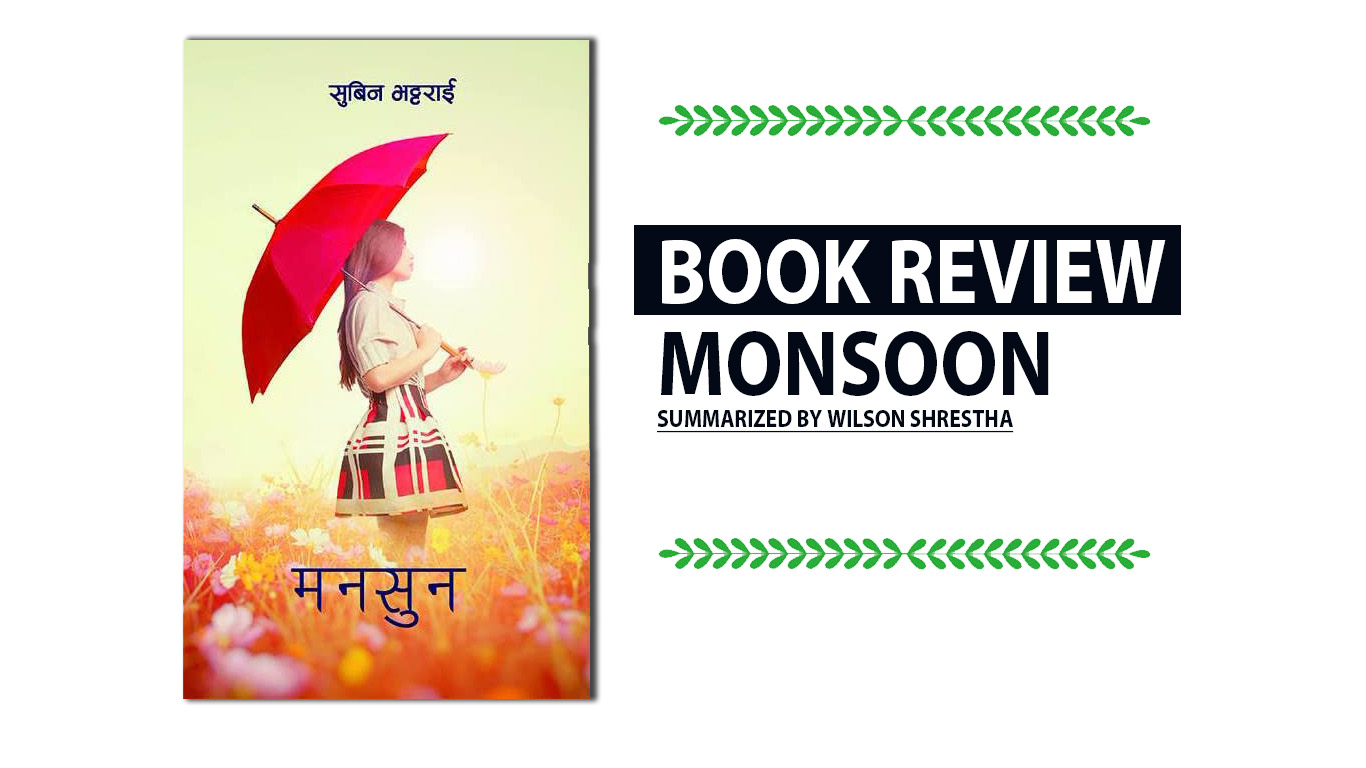
The story begins with Rameshwor’s marriage. His marriage occurs unexpectedly. After his breakup with his girlfriend, his family hunts for a female and he marries within a week. He did, however, fall in love with a female prior to marriage. He proposes to her after chatting on Facebook, but her family objects, so he gets married to show her.
Sundar and Shuban, his two best buddies, begin to peek at the girls in his marriage. Meanwhile, Shuban notices a modest girl wearing a basic sari with no jewelry in the food line. She has the appearance of a teacher.
During the wedding, he is solely focused on that girl and follows her, but he later fails to notice her. He wishes to speak with her but is unable to do so. He hopes they will meet the next day at the celebration. Fortunately, she appears to the party the next day. He sees her on a regular basis.
Unfortunately, Shuban’s friend Sundar was also fixated by her, something he didn’t appreciate. She approaches him after a few minutes and asks,
“Where are you from?”
“Kathmandu.”
“I didn’t ask the place. I said from which side are you from: bride or bridegroom?”
“From bridegroom side.”
“Do you know me?”
“Yes?” He felt nervous.
“Do you know me?”
“No.”
They began a new chat once this one ended. He didn’t tell her name when he asked for it. Despite the fact that she didn’t know her name, he introduced himself and departed the scene. On the way, he felt bad about not knowing her name. He felt he could have done a virtual search.
She had made him a Facebook friend request on the same day. Monsoon was her name, and he accepted her buddy request. They began speaking after that. He’d begun to fall in love with her. Her issue, though, was that she was cranky. She used to converse when she wanted to, and she used to ignore when she didn’t. Furthermore, he was frequently enraged when she did not answer the phone.
CONCLUSION
The story is straightforward, and the language is straightforward as well. Furthermore, the tale is similar to viewing a movie. Not only that, but Rameshwor, Sundar, and Shuban have a natural friendship. Their disagreements, egos, and fights could be pertinent to today’s friendships. Falling in love with the same girl, receiving rejection from the same girl, and having the ego prevent you from speaking to your best friends is all very natural and well-presented.
The plot is a straightforward love story. It piques the readers’ interest in what will happen next. Why was Monsoon acting so strangely? Why does she despise Shuban while also adoring him? This piques my interest. More importantly, will Shuban still love her despite her behavior?
Rameshwor and Sundar are two of my favorite characters. They’re funny and make the audience chuckle. Shuban’s character exemplifies the crazy of today’s youth. With Monsoon, he can’t stay angry for long. He adores her and wishes to spend as much time with her as possible. At the same time, he is sometimes tested by her behavior. Monsoon, on the other hand, is somber. She is a character that is both perplexed and frustrated. She can be both cheerful and sad at the same moment. A reader may despise her for her actions: why was she acting so strangely? Why didn’t she accept Shuban’s love, who was always there for her? Finally, due of the tale, language, and characters, the book should be read.
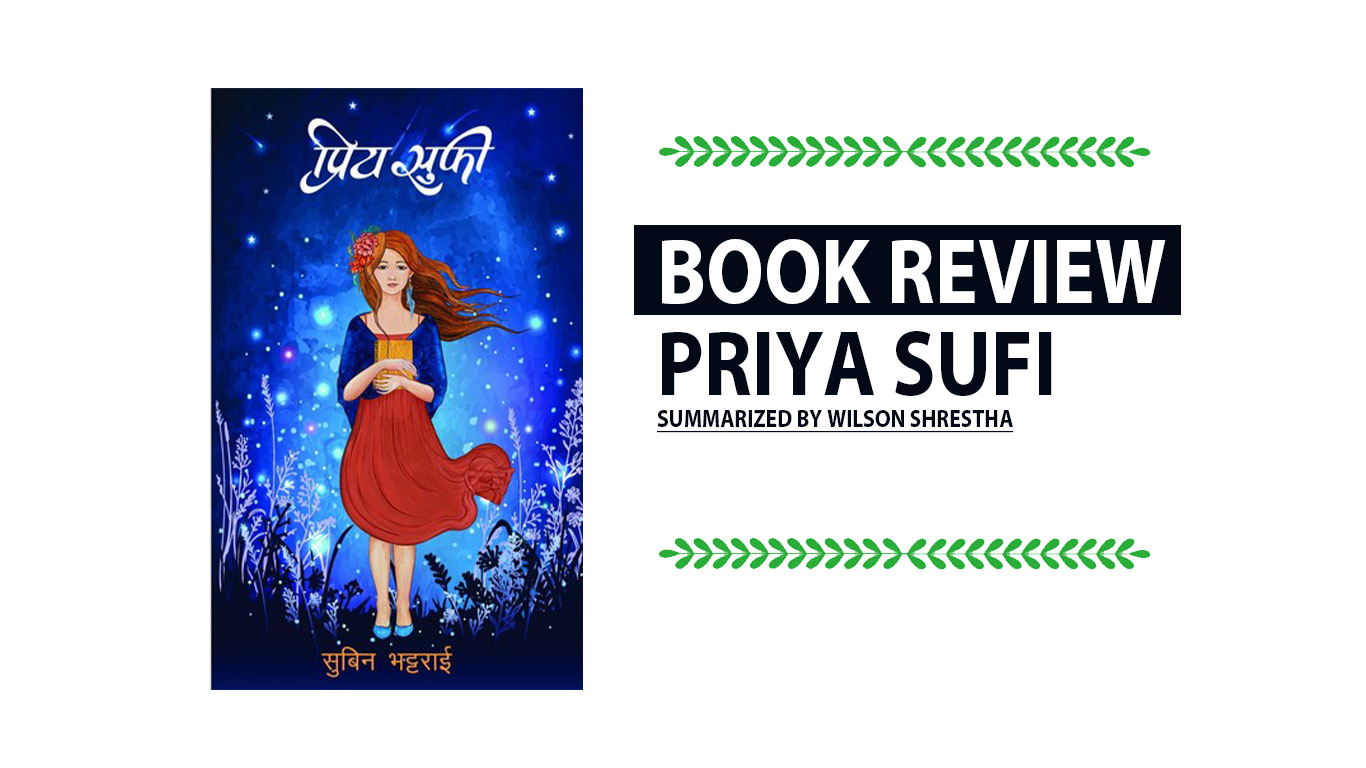
Subin Bhattarai has authored a new novel called Priya Sufi. The novel is about two sisters and is a motivational story. Given the surge in suicide rates, the author attempts to address suicide-related concerns. Subin Bhattarai sought to educate young people about the fundamental meaning of life.
The story begins with travelers leaving Birgunj. The Sumo vehicle comes to a halt on the jungle highway. One of the female passengers requests the Scorpio after the driver complains that the bonnet isn’t working. She meets the family in the Scorpio. She couldn’t cope without speaking, so she began with her family. While spending time with them, she learned that the son attempted suicide since his heart was broken. As a result, the female passenger begins to explain her side of the incident.
Sada, who was pursuing a Master’s degree in microbiology, is the protagonist of the novel. Budhanilkantha is her home. She has a younger sister named Sufi and lives with her parents. Sada is envious of Sufi since she is adored by everyone. She is both gorgeous and intelligent. She used to be praised by everyone. She was able to travel the distance with her sister. Sufi, too, kept her distance, knowing that her sister prefers not to converse.
Sada’s freshman year in college had just begun. She fell in love with Sardak in college. The love was one that could be seen. She hasn’t communicated with him. She tells her friends Barosa, Aditi, and Niyati about it. But one day, while riding her scooter, she notices someone following her and turns around. Sardak is located. They continued to meet and fall in love after this encounter.
Both of their lives are transformed by a single event. What exactly happened, and what is going to happen next? One must read the novel in order to understand this.
The novel keeps the reader’s attention till the very finish. Subin Bhattarai tried something new this time. This book makes an attempt to motivate the reader in some way. The novel is both loving and inspiring, according to Subin Bhattarai. His writing piqued my interest as to what would happen next. The reader will become immersed in the novel, just as I did when reading it.
Subin Bhattarai followed Summer Love with a series of somewhat successful books. Priya Sufi, on the other hand, is not like his predecessors. Readers will encounter relationships with sisters, parents, and lovers in this tale. The fundamental idea of the work is that when individuals have a problem, they don’t have to commit suicide; instead, they must battle it.
If I were to comment on the characters, I would say that they are all fantastic. Sada is an introvert who is completely absorbed in her surroundings. She adores the act of writing. Sufi, her younger sister, makes her jealous. She keeps her distance from her family as a result of this. She is completely enamored by Sardak’s surroundings. Furthermore, she does not tend to forgive and forget the people who have wronged her. She prefers to live in the past to the present.
Sufi, on the other hand, is an outgoing person. She maintains a positive attitude and is constantly cheery. She is the type of person that forgives and forgets others. She prefers to be present in the moment. That is why so many people admire her.
Sardak is a pleasant person. He, too, loves to be present in the moment. He is unconcerned about the future. He prefers not to talk about the past or the future since it takes him away from his present life. That’s why, due of Sada’s current state, he ended their relationship.
Finally, I enjoyed the novel. It made an impression on me. The characters made you love them and loathe them at the same time; why did this character do such things? Subin Bhattarai did a fantastic job with the novel this time. As a result, I would give the book a 4/5 rating.
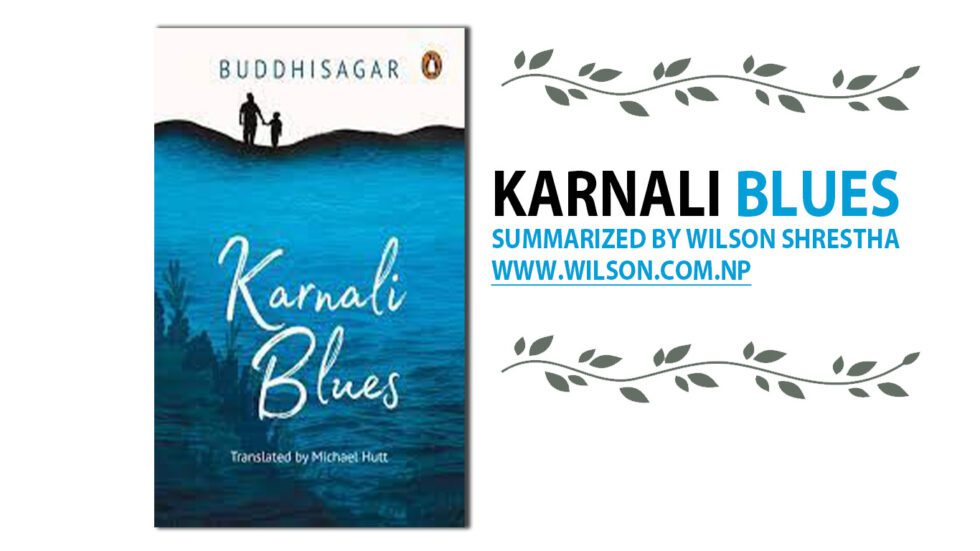
Karnali Blues Book Review & Summary: Buddhisagar’s Novel About a Father and Son
Karnali Blues (कर्नाली ब्लुज) by Buddhisagar is the Nepali novel that sends readers straight back to their own fathers. In this review I cover the story, a spoiler-free summary, the main characters, the author, the English translation and my honest verdict, with a short review in Nepali as well.
Karnali Blues by Buddhisagar, first published in Nepali in 2010 and in English in 2021.
4.5out of 5
★★★★★★★★★★
Quick verdict
A slow, tender coming-of-age novel that turns an ordinary village father into one of the most loved characters in Nepali literature. It will make you laugh, cry and think about your own father.
Read it if you love family stories, nostalgia and rural Nepal. Skip it if you want a fast plot full of twists.
Karnali Blues book details
Nepali title
कर्नाली ब्लुज
Author
Buddhisagar (Buddhi Ram Chapain)
First published
Autumn 2010 (2067 BS)
Publisher
FinePrint, Kathmandu
Genre
Fiction, coming-of-age novel (bildungsroman)
Language
Nepali, with dialogue in Tharu and the Jumli dialect
Matera, Katase Bazaar, Kalikot and Kohalpur in western Nepal
Narrator
Brisha Bahadur, the son
What is Karnali Blues about?
Karnali Blues is the story of a father, told by his son. The narrator, Brisha Bahadur, sits beside his father, Harsha Bahadur, in a crowded hospital in Kohalpur after a brain haemorrhage leaves the old man paralysed. For eleven days he feeds him, cleans him and watches over him. And while he waits, he remembers everything.
Those memories become the novel. When Brisha is a little boy, his father is nothing short of a superhero: the man the whole village calls when someone falls sick, the man who forgives every prank. As Brisha grows into a stubborn teenager, the superhero slowly becomes an ordinary man who is losing his business, his health and his place in the world, yet still puts his son’s wishes before his own.
That is the heart of the book: the way a son’s picture of his father changes over a lifetime, and the late, painful moment when he finally understands what that father gave up. Nepali literature has plenty of stories and poems about a mother’s love and sacrifice. Far fewer are written about the quiet, sometimes stern love of fathers. Karnali Blues fills that gap, which is why so many readers simply call it a father’s book.
Karnali Blues summary (spoiler-free)
The novel runs on two timelines that take turns. The present crawls forward one hospital day at a time. The past rushes along, place by place, as the family keeps moving in search of a better life. Here is that journey, without the ending.
1
Matera
Childhood in a village by the Amauri Khola
Brisha is born in Matera, a sleepy village beside the Amauri Khola, a tributary of the Karnali. On the day he is born, his father notices a mole on the sole of his foot and predicts the boy will walk a lot in life but will never leave his parents. Harsha Bahadur runs a small medicine shop and is the village “doctor”. Brisha’s days are full of river swims, lessons he tries hard to avoid and mischief with his friend Chandre. He adores his father so much that he draws a moustache on a picture of the goddess Santoshi Maa and renames her “Santoshi Baa”.
2
Katase Bazaar
A bazaar town that rises, then fades
The family moves to the growing bazaar of Katase, where business is better and life feels settled for a while. Brisha’s world gets bigger, with new friends and bigger troubles. But Nepal is changing around them. A new bridge over the Karnali at Chisapani shifts the flow of travellers and trade, and the bazaar that fed the family slowly starts to empty.
3
Kalikot
Up the Karnali into the hills
With the shop failing, Harsha Bahadur has to choose a new home. Surkhet is the safer option, and Brisha’s mother knows it, but he picks remote Kalikot. The long journey up along the Karnali is one of the most beautiful parts of the book. Life in the hills is harder, money is tighter, and teenage Brisha’s mischief turns into real worry for his parents.
4
Kohalpur
The hospital bed, eleven days in the present
Back in the present, the man who once carried the whole family lies silent in a hospital bed in Kohalpur. Day by day, the roles flip: the son who was always looked after now has to look after his father. Every memory in the book passes through these eleven days, which is why even the funniest childhood scenes carry a little sadness.
Show the ending (spoiler)
Harsha Bahadur does not recover. As his father fades, Brisha finally sees his life clearly: every move, every loss and every sacrifice was made for the family, and the person who lost the most in all those years was his father, not him. The book closes on a grown-up Brisha and his mother facing a life without the man who held everything together.
It is not a shocking ending. You can feel it coming from the first chapter. It hits hard because by then you know Harsha Bahadur as well as your own family.
Main characters in Karnali Blues
Buddhisagar fills the book with ordinary people who feel completely real. These are the ones you will remember.
Brisha BahadurThe narrator and son
Funny, lazy, curious and often a headache for his parents. We watch him grow from a spoilt little boy who wants an expensive bicycle into a young man carrying both guilt and love for his father. He writes poems too.
Harsha BahadurThe father, “Baa”
The soul of the novel. Kind, idealistic, sometimes stubborn, fond of his blue waistcoat, and almost never able to say no to his son. He helps the whole village while quietly struggling to keep his own family afloat.
Brisha’s mother“Aama”, never named
She has no name in the book, yet she is one of its strongest characters. Practical, often frustrated and always forgiving, she is usually right when her husband refuses to listen.
ParvatiBrisha’s elder sister
A steady, caring presence in the family home during Brisha’s childhood.
MamataParvati’s friend, “Mamata didi”
One of the memorable people of Brisha’s early years, with a story of her own.
ChandreChildhood friend
Brisha’s best friend and partner in mischief during the Matera years.
Village charactersBhagiram, Saddam, Mandire and more
Each has a small story of their own, and together they paint a full picture of life in the bazaars and villages of western Nepal.
Themes of Karnali Blues
A father’s quiet love
Harsha Bahadur never gives speeches about love. He shows it by forgiving, by paying for things he cannot afford and by standing between his son and the world. The novel makes you notice the same quiet gestures in your own father.
Growing up
Karnali Blues is a coming-of-age novel that follows Brisha from birth to adulthood. His growth is not neat or heroic. It is messy, lazy and full of mistakes, which is exactly why it feels believable.
Migration and a changing Nepal
Villages empty, bazaars rise and fall, and a single bridge changes a whole town’s fortune. Through one family’s moves, the book shows how roads, markets and migration reshaped western Nepal.
The beauty and hardship of the Karnali
Rivers, seasons, fields and hills are described so vividly that nature feels like a character. Beside that beauty sits the hard side of rural life: poverty, poor healthcare, superstition and small-town politics.
Regret and understanding
Most of us understand our parents late. Brisha’s slow realisation beside a hospital bed is what turns a nostalgic childhood story into a novel that stays with you for years.
Karnali Blues author: who is Buddhisagar?
Buddhisagar is the pen name of Buddhi Ram Chapain, born on 2 June 1981 in Kailali district in western Nepal. Like his narrator, he grew up between Matera, Katase Bazaar and Kalikot. He later moved to Kathmandu, studied journalism at RR Campus and worked as a journalist before becoming a full-time writer. He began as a poet, and his poems were broadcast on the radio when he was still very young. That poetic touch shows on almost every page of Karnali Blues.
Is Karnali Blues his own story? Partly. In a 2022 interview with Nepali Times, Buddhisagar said his own father was also treated in Kohalpur and later died of a brain haemorrhage, and that some parts of the beginning of the novel are real. He also made clear that Brisha is not simply him; only pieces of himself and his parents live inside the character.
Karnali Blues was his first novel. His other books include:
2016 Phirphire, his second novel, nominated for the Madan Puraskar
2019 Prerana and Lal Peela, a children’s book
2022 Eklo, a novel about loneliness set in Kathmandu
2023 Usle Diyeko Umer
My Karnali Blues book review (in English)
Karnali Blues is one of my all-time favourite books, and it is the first Nepali novel I suggest when someone asks me what to read. Every time I open it, I feel nostalgic. It takes me back to my own childhood and makes me love and respect my father even more.
What makes it special is how ordinary it is. There are no villains, no big twists and no dramatic love story. There is just a family, a few towns, a river and a father who keeps saying yes. Buddhisagar writes like the poet he is, with simple words and sharp pictures, so you can almost feel the heat of a Terai afternoon and hear the river in the background.
The book also makes you laugh out loud. Young Brisha’s pranks are genuinely funny, and the dialogue in Tharu and Jumli-flavoured Nepali makes the villagers feel like people you have met in real life.
What I loved
Harsha Bahadur, a father who feels like someone you actually know
Vivid, poetic descriptions of rivers, seasons and small towns
Honest humour in Brisha’s childhood chapters
The hospital-and-memory structure, which makes the ending land hard
A real picture of life in rural western Nepal
What could be better
At around 400 pages, the middle section moves slowly
Teenage Brisha is often hard to like
Some side characters leave the story too suddenly
The early chapters lean heavily on similes
To be fair, the book is not for everyone. It takes its time, and some readers find the middle slow. Teenage Brisha ignores his studies, wastes money and hurts the people who love him most. But I think that is the point. He is the son many of us once were, and the book asks us to look at our younger selves honestly.
Who should read it: anyone who loves family stories, anyone who grew up outside the big cities or misses village life, students of Nepali literature, and anyone who needs a book that will make them call their father.
Who might not enjoy it: readers looking for a fast plot, mystery or constant action.
Nepali original or English translation?
Karnali Blues is now available in two versions. Here is how they compare.
Nepali original
English translation
Published
2010, FinePrint
2021, Penguin Random House India
Translator
Not applicable
Michael Hutt, professor of Nepali and Himalayan Studies at SOAS, London
Best for
Nepali readers who want the full flavour of the humour and local dialects
Non-Nepali readers, Nepali readers abroad and gifting
Keep in mind
Some dialect-heavy dialogue can be tricky for readers from other regions
Many Nepali expressions are kept close to the original, so some lines read unusually in English
My advice: if you can read Nepali, read the original. Words like “Baa”, the village jokes and the dialects simply hit differently in Nepali. If you cannot, Hutt’s translation is a faithful way in, and it keeps the Nepali feeling of the book instead of smoothing it away.
कर्नाली ब्लुज पुस्तक समीक्षा (नेपालीमा)
कर्नाली ब्लुज लेखक बुद्धिसागरको पहिलो र सबैभन्दा चर्चित उपन्यास हो। यो वि.सं. २०६७ (सन् २०१०) मा फाइनप्रिन्टबाट प्रकाशित भएको थियो। उपन्यासले एउटा छोराको आँखाबाट उसको बुबाको कथा भन्छ।
कथा कोहलपुरको एउटा अस्पतालबाट सुरु हुन्छ, जहाँ ब्रेन हेमरेजपछि बुबा हर्षबहादुर थला पर्नुभएको छ। एघार दिनसम्म बुबाको सिरानमा बस्दा छोरा बृषबहादुर आफ्नो बाल्यकाल सम्झन्छ: अमौरी खोलाको किनारको मटेरा गाउँ, कटासे बजार र अन्त्यमा कालिकोटसम्मको यात्रा।
सानो छँदा बृषका लागि बुबा कुनै नायकभन्दा कम हुनुहुन्न। ऊ जति नै बदमास भए पनि बुबा सधैं उसको साथमा उभिनुहुन्छ। तर उमेर बढ्दै जाँदा ऊ बुझ्छ, उसका बुबा त आफ्ना इच्छा त्यागेर परिवारका सबै आवश्यकता पूरा गर्ने एक साधारण मान्छे हुनुहुँदो रहेछ।
उपन्यासमा कर्णालीको सुन्दर प्रकृति मात्र छैन; गरिबी, कमजोर स्वास्थ्य सेवा, बसाइँसराइ र बदलिँदो गाउँको पीडा पनि छ। थारु भाषा र जुम्ली लवजको प्रयोगले पात्रहरूलाई अझ जीवन्त बनाएको छ।
आमाको माया र त्यागबारे धेरै लेखिएको छ, तर कडा देखिने बुबाको मौन मायाबारे लेखिएका कृति थोरै छन्। त्यसैले कर्नाली ब्लुज साँच्चै “बुबाको किताब” हो। यो पढ्दा तपाईं हाँस्नुहुन्छ, रुनुहुन्छ, र अन्तिम पाना पल्टाएपछि आफ्नै बुबालाई सम्झिनुहुन्छ।
मेरो मूल्याङ्कन: ४.५/५। हरेक नेपाली पाठकले एकपटक अवश्य पढ्नैपर्ने उपन्यास।
कर्नाली ब्लुजका लेखक को हुन्? बुद्धिसागर, जसको वास्तविक नाम बुद्धिराम चपाईं हो। उनको जन्म वि.सं. २०३८ मा कैलालीमा भएको हो।
कर्नाली ब्लुज अंग्रेजीमा पाइन्छ? पाइन्छ। माइकल हटले अनुवाद गरेको अंग्रेजी संस्करण सन् २०२१ मा पेंगुइन इन्डियाले प्रकाशित गरेको हो।
Karnali Blues FAQs
Who is the author of Karnali Blues?
Karnali Blues was written by Buddhisagar, the pen name of Buddhi Ram Chapain, a Nepali novelist and poet born in Kailali district in 1981. It was his debut novel. He later wrote Phirphire, Eklo and Usle Diyeko Umer.
When was Karnali Blues published?
The Nepali original was published by FinePrint in the autumn of 2010 (2067 BS). The English translation by Michael Hutt was published by Penguin Random House India in 2021.
What is the story of Karnali Blues?
A young man, Brisha Bahadur, looks after his paralysed father, Harsha Bahadur, in a hospital in Kohalpur for eleven days. As he sits by the bed, he remembers growing up in Matera, Katase Bazaar and Kalikot, and slowly understands how much his father sacrificed for the family.
Is Karnali Blues a true story?
It is semi-autobiographical. Buddhisagar grew up in the same places as his narrator, and his own father was treated in Kohalpur before dying of a brain haemorrhage. The author says parts of the opening are real, but the novel as a whole is fiction and Brisha is not an exact copy of him.
Where is Karnali Blues set?
In western Nepal: the village of Matera beside the Amauri Khola, the bazaar town of Katase, the hill district of Kalikot, and a hospital in Kohalpur, where the present-day story takes place.
Is there an English version of Karnali Blues?
Yes. Michael Hutt, a professor of Nepali and Himalayan Studies at SOAS in London, translated it into English under the same title. Penguin Random House India published it in 2021, and it is sold in Nepal, India and online.
How many pages does Karnali Blues have?
Around 400 pages in both the Nepali original and the English translation.
Why is the book called Karnali Blues?
The Karnali river and region shape every stage of the family’s life, from Matera by a Karnali tributary to the hills of Kalikot. “Blues”, as in the music, suggests a deep sadness that runs beneath the story. In my reading, the title captures both: a place and a feeling of loss.
Is Karnali Blues a sad book? (mild spoiler)
Yes, the ending is emotional and the father does not survive. But the book is also full of humour, especially in Brisha’s childhood chapters, so it feels more bittersweet than depressing.
Final verdict: should you read Karnali Blues?
Yes. Karnali Blues is not a book you race through. It is a book you live in for a while. If you are Nepali, it will feel like home. If you are not, it is one of the best windows into ordinary life in western Nepal you will find in English. My rating is 4.5 out of 5.
After the last page, do what almost every reader of this book does: call your father. And if he is no longer with you, sit with a memory of him for a while.
If you liked Karnali Blues, read these next:
Phirphire by Buddhisagar, a story of friendship between two village boys, Pawan and Basanta
Seto Dharti by Amar Neupane, the moving life story of a woman widowed as a child
Palpasa Café by Narayan Wagle, an artist’s story set during Nepal’s conflict years
Looking for your next Nepali book?I review and summarise popular Nepali novels in simple English.
Facts in this review are checked against the publisher’s page from Penguin Random House India and Buddhisagar’s interview with Nepali Times. The opinions are my own.
Written by Wilson Shrestha. I am a web developer based in Kathmandu and a lifelong reader of Nepali novels. On this blog I share honest, easy-to-read reviews of the books I love.
Palpasa Café Book Summary and Review: Narayan Wagle's Anti-War Classic
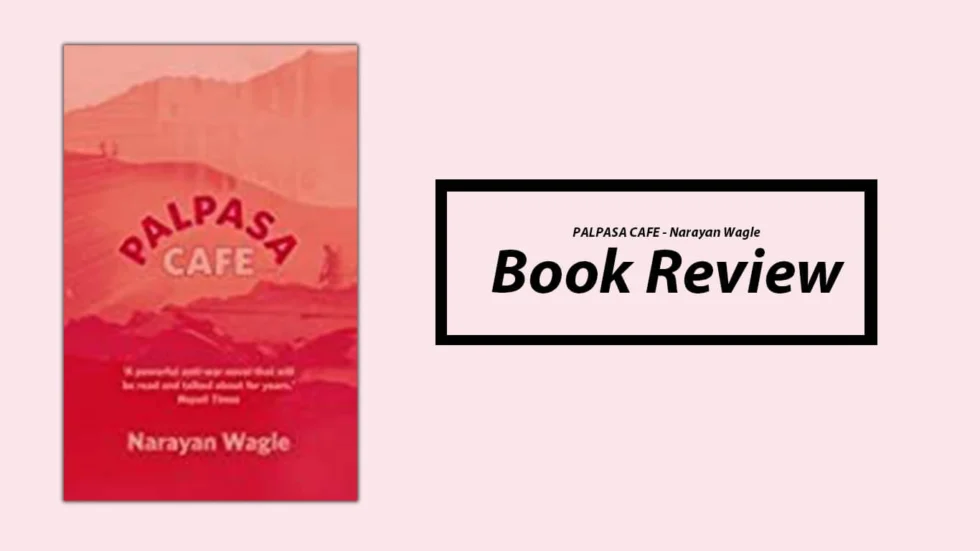
Palpasa Café is a Nepali novel by journalist Narayan Wagle about an artist, a love that is never fully spoken, and a country torn apart by the Maoist insurgency. First published in 2005, it won the Madan Puraskar, Nepal's most prestigious literary award. It remains one of the best-selling Nepali novels ever written.
In this article you will find a spoiler-free summary, a character guide, the historical background, the themes, an honest look at the book's strengths and weaknesses, and advice on who should read it. A clearly marked spoiler section comes later for readers who have finished the book.
Quick verdict
A moving, quietly political novel with powerful scenes of village life during the war. Its love story and some dialogue feel stiff, especially in English. It is still essential reading for anyone who wants to understand how the conflict felt to ordinary Nepalis. Our rating: 4 out of 5.
Palpasa Café at a Glance
Author
Narayan Wagle, editor of Kantipur daily
First published
2005, in Nepali (Nepalaya)
Genre
Literary fiction, war novel, love story
Setting
Kathmandu and the hill villages during the Maoist insurgency (1996–2006)
Structure
Prologue and epilogue by Wagle himself, with 28 chapters told from Drishya's point of view
Length
About 245 pages in the original Nepali edition
Awards
Madan Puraskar (2005)
Translations
English and Korean
Sales
Reportedly about 25,000 copies in its first year, a huge number for a Nepali book
Palpasa Café Summary (Spoiler-Free)
The novel opens with Narayan Wagle waiting for a final interview with Drishya, the artist whose story he has almost finished writing. Drishya never arrives. His assistant explains that men claiming to be security officers took him from his gallery in broad daylight. In the Nepal of those years, that kind of disappearance was far from unusual.
The story then goes back to Drishya's life as a painter in Kathmandu. He dreams of opening a café for artists in his home village, a place for colour, conversation and calm in the middle of a war. He meets Palpasa, a first-generation Nepali American who has come to the land of her parents. Many accounts say she left the United States after the racial stereotyping that followed 9/11. The two are drawn to each other but never say it plainly.
The story turns when Siddhartha, Drishya's old college friend, appears. Siddhartha has become a Maoist guerrilla. He challenges Drishya to stop painting from a distance and see the country that the war is destroying. Drishya travels back to the hills of his childhood and finds emptied villages, grieving families and children who have been pulled into the conflict. The war stops being a news headline and becomes personal.
The Story at a Glance
1. Prologue Wagle waits for Drishya, who has been abducted.
2. Kathmandu Drishya paints, dreams of a café and meets Palpasa.
3. The challenge Siddhartha, now a Maoist, urges him to see the real Nepal.
4. The journey A trek through war-torn villages changes how he sees his art.
5. Epilogue Wagle returns and explains how he pieced the story together.
Main Characters
Drishya A Kathmandu painter and a romantic. He is dreamy and idealistic, and the war forces him to ask what art is for. Wagle has said that much of Drishya's experience is semi-autobiographical.
Palpasa A bright, idealistic Nepali American who has returned to her parents' homeland. She represents the diaspora's longing for a country it only half knows.
Siddhartha Drishya's college friend turned Maoist guerrilla. He believes violence is the price of change, and he gives the story its sharpest argument.
Narayan Wagle The author, who appears as a character in the prologue and epilogue and acts as the story's frame.
The Background: Nepal's Maoist Insurgency
The novel makes more sense with some context. A Maoist insurgency began in Nepal in 1996 and lasted about ten years, ending with the 2006 peace agreement. The royal palace massacre of 2001 sits in the middle of that period and appears in the story. Villages were caught between the state's security forces and the rebels. Disappearances, killings and the recruitment of young people marked daily life.
Wagle edited Kantipur, the country's leading newspaper, while writing the book, and both the state and the rebels pressured his paper. He has explained that many things do not fit the news format, so he turned to fiction to tell the truth. Reviewers often call the novel an anti-war book. It takes the side of ordinary people rather than either armed camp.
Major Themes in Palpasa Café
The cost of violence: The book keeps asking whether anything good can be built by destroying. Siddhartha says it can. Drishya cannot accept it while people are dying.
The role of the artist: Drishya must decide whether art can stay neutral when his country is bleeding. His colours eventually become a form of protest.
Disappearance and uncertainty: The opening abduction tells the reader from the start that safety is an illusion.
Diaspora and belonging: Palpasa's return raises the question of who has the right to love, and to grieve for, a country.
Unspoken love: Drishya and Palpasa's feelings are held back by fear, timing and war, which makes their story feel believable.
Incomplete stories: Wagle admits that all written works are incomplete, which fits a war whose victims often leave no clear record.
Spoiler Section: Ending Explained
Spoiler warning: The next paragraphs discuss the ending. Skip to the review section below if you have not read the book.
The novel is built as a story that the author reconstructs after Drishya's abduction. Its emotional weight comes from loss: Siddhartha is killed by the armed forces, and Palpasa's fate leaves Drishya haunted. He finds a measure of peace only through a series of paintings called “Palpasa Café.” In the epilogue, a young woman named Gemini asks Wagle to help find her missing friend, who turns out to be Palpasa. The book ends not with answers but with an open question about the missing, which mirrors the reality of many Nepali families during the conflict.
Palpasa Café Review: What Works and What Doesn't
Strengths
Wrenching village scenes, praised even by critics of the book
An even-handed view that refuses to glorify either side
An unusual frame in which the author becomes a character
Strong sense of place, from Kathmandu galleries to hill trails
Weaknesses
Conversations between Drishya and Palpasa can feel stilted
The prologue and epilogue feel somewhat constructed to some critics
The prose can be dense and flowery, and some of its poetry reads oddly in English
Some plot turns, such as Palpasa's return to Drishya's life, strike a few reviewers as unconvincing
Our Ratings
Setting and atmosphere4.5/5
Historical value5/5
Plot and pacing3.5/5
Characters and romance3.5/5
Emotional impact4.5/5
These scores reflect our editorial opinion.
Nepali Original vs. English Translation
Opinions on the English edition are mixed. Some reviewers say the original's promise survives, especially in the passages about Drishya's journey through the hills. Others feel something was lost, particularly in the romantic dialogue. If you read both Nepali and English, the Nepali original is the better choice. If you read only English, the translation is still worth your time for its portrait of the war.
Who Should Read Palpasa Café?
Reader type
Why it fits
Students of Nepali literature
A landmark modern novel and a Madan Puraskar winner
Readers who want to understand the war
Shows the human side of the insurgency
Diaspora readers
Palpasa's return speaks to questions of identity
Fans of fast, plot-driven fiction
May find the pace slow and the style heavy
Where to Get Palpasa Café
The novel is widely available in Nepali bookstores, and it is also sold as an e-book. It was reportedly the first Nepali novel on Kindle. If you are on a budget, check our guide to second-hand books in Nepal for places that sell popular titles at lower prices. Buying a legitimate copy supports the author and publisher.
Frequently Asked Questions
Who wrote Palpasa Café?
Narayan Wagle, a Nepali journalist and editor of Kantipur daily. It was his first novel. He later wrote another best-seller, Mayur Times.
What is Palpasa Café about?
It follows Drishya, a Kathmandu artist, through his unspoken love for Palpasa and his journey through villages ravaged by the Maoist insurgency.
Is Palpasa Café a true story?
It is fiction, but it is rooted in real events and in Wagle's experience as a journalist covering the war. Wagle has said that much of Drishya's experience is semi-autobiographical.
Did Palpasa Café win an award?
Yes. It won the Madan Puraskar in 2005.
Is Palpasa Café available in English?
Yes. It has been translated into English and Korean.
Is Palpasa Café worth reading?
Yes, especially for its picture of ordinary lives during the war, though its love story and style will not suit everyone.
Final Verdict
Palpasa Café is not a perfect novel, but it is an important one. Its strength is its refusal to take sides in a war that demanded them, and its portrait of the hills Drishya once knew is unforgettable. If you read one Nepali novel about the insurgency, make it this one. For more reading ideas, see our guide to buying second-hand books in Nepal.