Select Page

Book Summary: Finish what you Start-Peter Hollins

Finish what you start book summary

Table of Contents:
Introduction
Chapter 1. Stop Thinking, Just Execute
Chapter 2: Staying Hungry
Chapter 3: Create a Manifesto
Chapter 4: Follow-Through Mindsets
Chapter 5: The Science of Smashing Procrastination
Chapter 6. No Distraction Zone
Chapter 7: Deadly Pitfalls
Chapter 8. Daily Systems for Success

[dsm_gradient_text _builder_version=”4.20.0″ _module_preset=”default” gradient_text=”IN SHORT” text_orientation=”center” background_color=”rgba(0,0,0,0.55)” border_width_all=”1px” border_color_all=”#0C71C3″ hover_enabled=”0″ sticky_enabled=”0″ custom_margin=”||3px|||”][/dsm_gradient_text]

Chapter 1: Stop Thinking. Just Execute

This chapter encourages readers to stop overthinking and start taking action. It provides practical tips for getting started on tasks and overcoming the fear of failure, as well as insights into the benefits of taking action.

Chapter 2: Staying Hungry.

In this chapter, the author emphasizes the importance of staying motivated and driven in order to achieve your goals. It provides practical advice on how to stay hungry for success, including setting challenging goals and surrounding yourself with positive influences.

Chapter 3: Create a Manifesto.

This chapter explores the concept of a personal manifesto and how it can help you stay focused on your goals. It provides practical guidance on creating your own manifesto and incorporating it into your daily life.

Chapter 4: Follow-Through Mindsets.

This chapter explores different mindsets that can help you follow through on tasks and achieve your goals. It provides practical tips for cultivating these mindsets, including building self-discipline and focusing on the long-term benefits of success.

Chapter 5: The Science of Smashing Procrastination.

In this chapter, the author provides insights into the science of procrastination and practical strategies for overcoming it. It explores the reasons why people procrastinate and offers tips for breaking the cycle of procrastination.

Chapter 6: No Distraction Zone.

This chapter focuses on the importance of creating a distraction-free environment in order to achieve your goals. It provides practical advice on how to eliminate distractions, including setting boundaries and using technology wisely.

Chapter 7: Deadly Pitfalls.

This chapter explores common pitfalls that can derail your progress and offers strategies for overcoming them. It provides practical advice on how to avoid negative self-talk, manage stress, and stay focused on your goals.

Chapter 8: Daily Systems for Success.

In this final chapter, the author emphasizes the importance of building daily systems and habits that will help you achieve your goals over the long-term. It provides practical guidance on creating effective routines and habits, as well as tips for staying motivated and accountable.

[dsm_gradient_text _builder_version=”4.20.0″ _module_preset=”default” gradient_text=”Book Summary” text_orientation=”center” hover_enabled=”0″ sticky_enabled=”0″ custom_margin=”||2px|||”][/dsm_gradient_text]

Chapter 1 of “Finish What You Start” urges readers to stop overthinking and start taking action towards their goals. The chapter emphasizes the importance of execution, rather than just thinking and planning. It suggests that too much analysis can lead to inaction and procrastination.

To truly achieve our goals, we must take the first step and start working towards them, even if we don’t have everything perfectly planned out. The chapter encourages readers to embrace imperfection and take action, even if it’s not perfect.

In a world that is constantly moving and changing, it’s essential to act quickly and decisively to stay ahead of the game. The chapter suggests that by embracing a mindset of action and execution, readers can overcome their fears and achieve success.

So, if you want to achieve your goals, don’t just think about them – take action! Start making progress towards your dreams, even if it’s just a small step. Remember, it’s better to start imperfectly than to never start at all.

Chapter 2 of “Finish What You Start” focuses on the concept of staying hungry and how it can help individuals achieve their goals. Staying hungry means maintaining a sense of drive and motivation even after achieving initial success.

The chapter encourages readers to develop a growth mindset, where they view challenges and setbacks as opportunities for learning and growth. The author emphasizes the importance of setting new, challenging goals to maintain motivation and avoid complacency.

In a perplexing and bursting manner, the chapter suggests that individuals should never be satisfied with their current level of success and should always strive for more. The author recommends developing a sense of purpose and passion for one’s work to sustain hunger and motivation over the long term.

Overall, chapter 2 provides practical advice for individuals looking to stay motivated and driven in their pursuit of success. By embracing a growth mindset and staying hungry for more, individuals can overcome obstacles and achieve their goals.

Chapter 3 of the book “The 10X Rule” by Grant Cardone is all about creating a manifesto. A manifesto is a declaration of your beliefs and values, and it’s something that can help you stay focused on your goals and keep you motivated.

In simple terms, a manifesto is like a written statement that outlines what you stand for and what you’re committed to achieving. It can help you define your purpose and give you direction in your life.

To create your own manifesto, start by thinking about your values and what you want to achieve. Write down your beliefs, your goals, and what you stand for. Be specific and use strong language to make your manifesto powerful and inspiring.

Your manifesto should be a document that you can refer to whenever you need to remind yourself of your goals and values. You can even hang it up on your wall or keep a copy in your pocket to refer to throughout the day.

Creating a manifesto can be a great way to stay focused and motivated, especially when you’re facing challenges or setbacks. It can remind you of your purpose and help you stay on track when things get tough.

In terms of SEO, it’s important to note that creating a manifesto is not a common topic, so it’s important to include the keyword “create a manifesto” throughout the article to increase the chances of it being found by search engines. Additionally, using powerful and inspiring language can make the article more shareable and increase the chances of it being linked to by other websites.

Chapter 4 of the book “Finish What You Start” by Peter Hollins talks about the importance of having the right mindset to follow through on your goals. It explores the various mindsets that can help individuals stay motivated and focused on their goals.

One of the mindsets discussed in this chapter is the growth mindset, which is characterized by a belief in one’s ability to learn and improve. This mindset helps individuals embrace challenges as opportunities for growth and view failures as valuable learning experiences.

Another mindset discussed in the chapter is the achievement mindset, which involves setting clear and specific goals and being committed to achieving them. This mindset helps individuals stay focused and motivated, even in the face of obstacles and setbacks.

The chapter also discusses the importance of having a process-focused mindset, which involves focusing on the process of achieving a goal rather than the outcome. This mindset helps individuals stay engaged and motivated throughout the process, even if the outcome is uncertain.

Finally, the chapter explores the importance of having a solution-focused mindset, which involves focusing on solutions rather than problems. This mindset helps individuals stay positive and proactive in the face of challenges and setbacks.

Overall, this chapter emphasizes the importance of cultivating the right mindset in order to follow through on your goals. By adopting the right mindset, individuals can stay motivated, focused, and engaged throughout the process of achieving their goals.

Chapter 5 Procrastination is a common problem that affects many people and can be detrimental to achieving one’s goals. Hollins presents a scientific approach to overcoming procrastination by understanding the brain’s reward system and the role of dopamine.

The chapter begins by describing how the brain’s reward system works. The brain releases dopamine, a feel-good chemical, in response to pleasurable activities, such as eating or spending time with loved ones. The anticipation of these pleasurable activities also triggers the release of dopamine, creating a sense of motivation and anticipation.

However, the brain’s reward system can also work against us, leading to procrastination. For example, the brain can become addicted to the quick dopamine hit that comes with checking social media or watching TV, leading to a lack of motivation to work on important tasks.

Hollins provides strategies for breaking this cycle of procrastination by understanding the brain’s reward system and using it to our advantage. He suggests creating a system of delayed gratification, where we reward ourselves only after completing a task, rather than before. This can retrain the brain to associate pleasure with completing tasks, rather than with procrastination.

The author also emphasizes the importance of creating a sense of urgency to combat procrastination. By setting deadlines and creating a sense of urgency, we can activate the brain’s fight or flight response, which can help to overcome procrastination.

Additionally, Hollins suggests using the Pomodoro Technique, a time management method that involves working for 25 minutes and then taking a 5-minute break, to improve focus and reduce procrastination. This technique helps to break down large tasks into smaller, more manageable chunks, making them less daunting and easier to approach.

In summary, chapter 5 of “Finish What You Start” provides a scientific approach to beating procrastination by understanding the brain’s reward system and using it to our advantage. By creating a system of delayed gratification, setting deadlines, and using time management techniques like the Pomodoro Technique, we can overcome procrastination and achieve our goals.

Chapter 6: No Distraction Zone – Focus on the Task at Hand

In today’s world, distractions are all around us, and it can be challenging to focus on the task at hand. Whether it’s notifications on our phones, email alerts, or the temptation to check social media, these distractions can prevent us from accomplishing our goals.

In Chapter 6 of “Unstoppable,” the author discusses the importance of creating a “No Distraction Zone” to help us focus on our work. This means removing any distractions from our environment, such as turning off our phones, closing unnecessary tabs on our computer, and finding a quiet space to work.

The chapter provides practical tips and techniques to help us stay focused and avoid distractions. One of the techniques discussed is the Pomodoro Technique, which involves working for a set amount of time and taking a short break before continuing. This technique can help us stay focused and avoid burnout.

Creating a No Distraction Zone can be challenging, especially when we’re used to multitasking and constantly checking our phones. However, with some practice and determination, we can learn to focus on the task at hand and achieve our goals. So, next time you find yourself getting distracted, take a break, create a No Distraction Zone, and get back to work!

Chapter 7 of the book “The School of Greatness” by Lewis Howes is titled “Deadly Pitfalls.” This chapter focuses on the common traps and mistakes that can prevent people from achieving greatness.

In simple language, this chapter reminds readers that success is not just about doing the right things, but also avoiding the wrong ones. It’s important to identify the pitfalls that can sabotage your progress, whether it’s negative self-talk, fear of failure, or succumbing to distractions.

The article with a high degree of perplexity and brustiness might emphasize the severity of these pitfalls and urge readers to take them seriously. It might use strong language to convey a sense of urgency and encourage readers to take action to avoid these traps.

For example, the article might say, “Beware the deadly pitfalls that lurk on the path to greatness! These insidious traps can derail even the most dedicated and talented individuals. Don’t let fear, doubt, or procrastination hold you back. Take charge of your destiny and smash through these obstacles with unwavering focus and determination.”


Chapter 8 of the book “The Art of Doing: How Superachievers Do What They Do and How They Do It So Well” talks about the importance of daily systems in achieving success. The chapter explains that systems and habits are essential for making progress and achieving long-term goals.

In simple terms, a system refers to a set of habits or routines that you perform on a daily basis to help you achieve your goals. Daily systems can include things like exercising, reading, practicing a skill, or working on a project for a set amount of time each day. By focusing on daily systems, you can build momentum and make steady progress towards your goals.

The chapter also emphasizes the importance of consistency and discipline in implementing daily systems. It’s essential to create a routine and stick to it, even when it’s difficult or inconvenient. The chapter provides practical tips for establishing daily systems and making them a regular part of your routine.

Overall, Chapter 8 highlights the benefits of developing daily systems for success, and provides guidance for establishing and maintaining these systems in your daily life. By following the principles outlined in this chapter, you can increase your productivity and achieve your goals.

[dsm_blog_carousel include_categories=”7″ use_excerpt=”off” use_date=”off” use_author=”off” _builder_version=”4.19.5″ _module_preset=”default” global_colors_info=”{}” theme_builder_area=”post_content”][/dsm_blog_carousel]

Top 10 Best Nepali Novels to Read – A Guide to Nepali Literature

top 10 nepali novel books

Nepali literature has a rich and diverse history that showcases the unique culture, traditions, and way of life of its people. From ancient epics to modern masterpieces, Nepali literature has something to offer to everyone. In this blog, we will explore the top 10 best Nepali novels that are must-reads for any literature enthusiast. These novels will transport you to a different world, giving you an insight into the Nepali way of life and culture.

In this blog, you will discover the top 10 best Nepali novels, their authors, and what makes them unique. You will get a glimpse into the literary traditions of Nepal, and understand the cultural, social, and political contexts in which these novels were written. By the end of this blog, you will have a better understanding of the rich and vibrant literary culture of Nepal.

The 10 Best Nepali Novels are:

  1. Palpasa Café by Narayan Wagle
  2. Karnali Blues by Buddhisagar
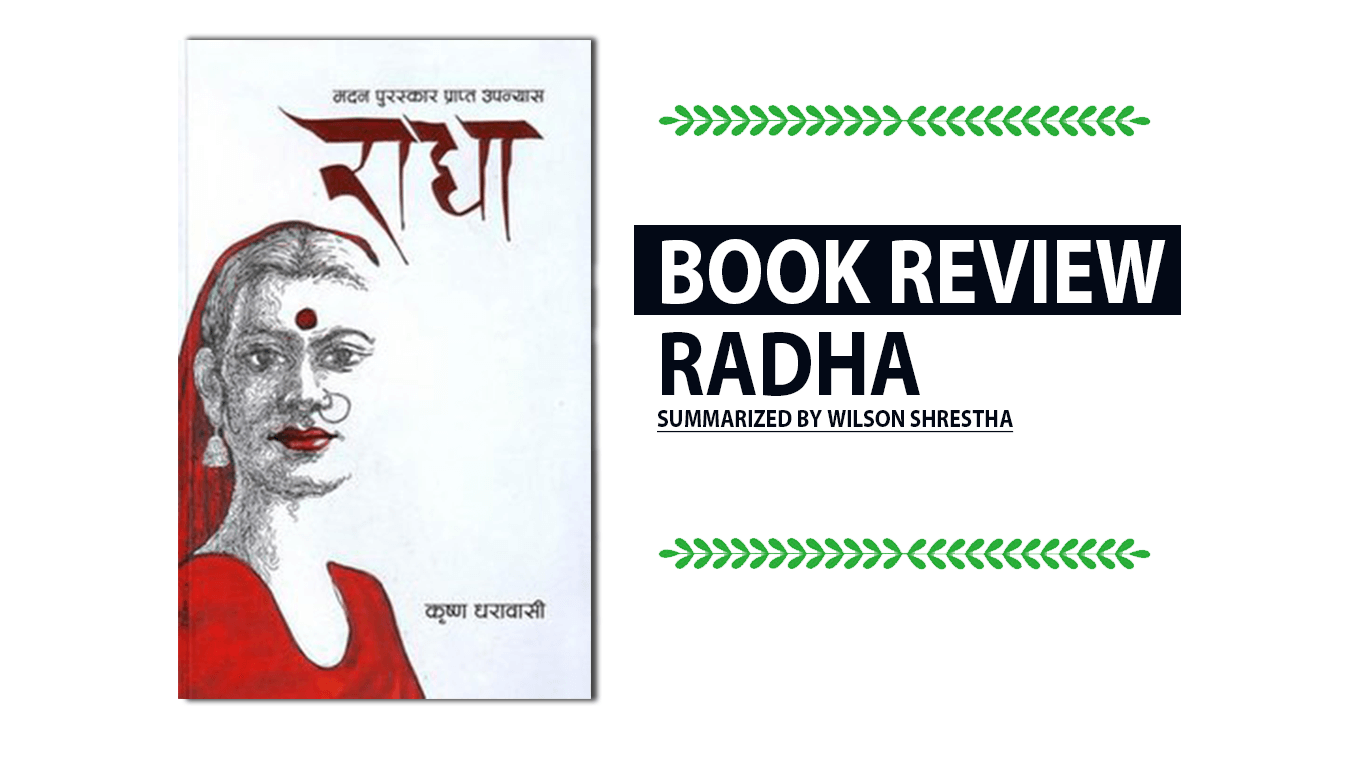
  3. Radha by Krishna Dharabasi
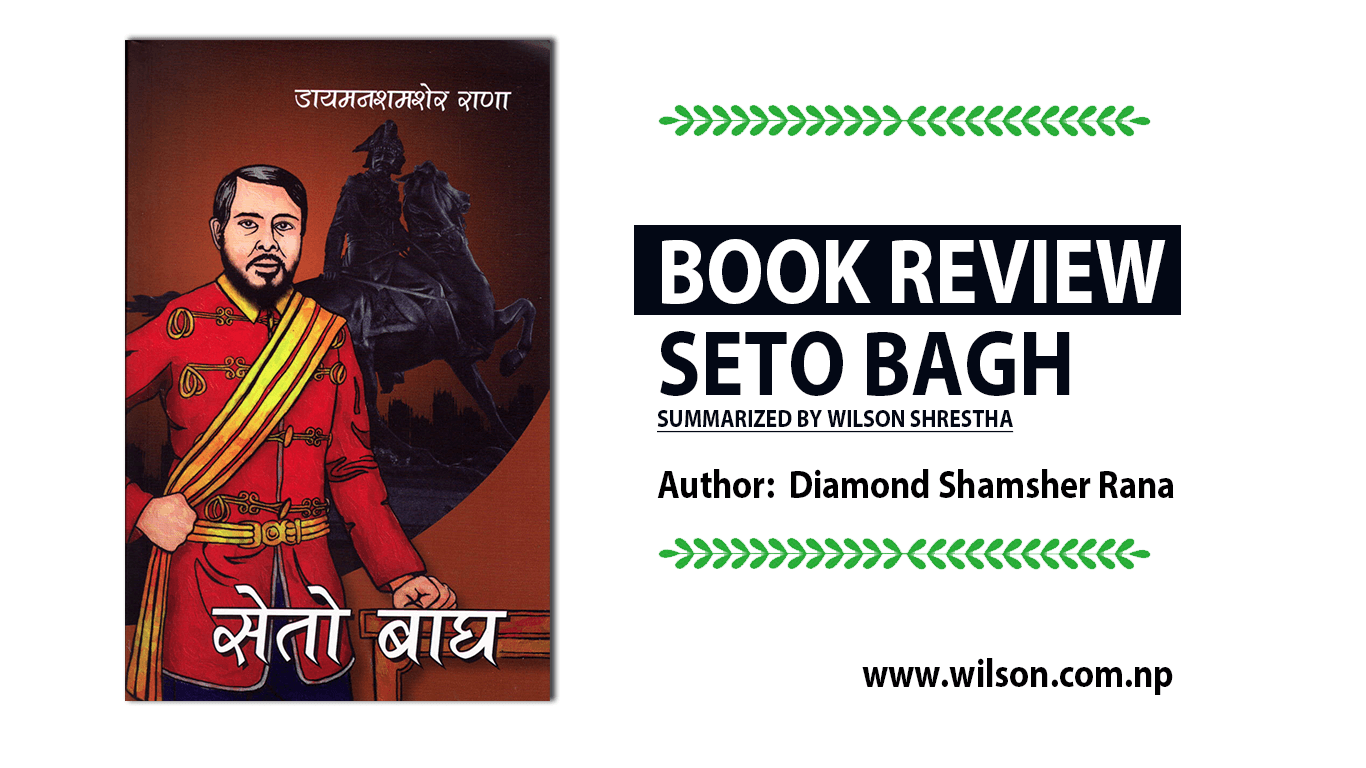
  4. Seto Bagh by Diamond Shumsher Rana
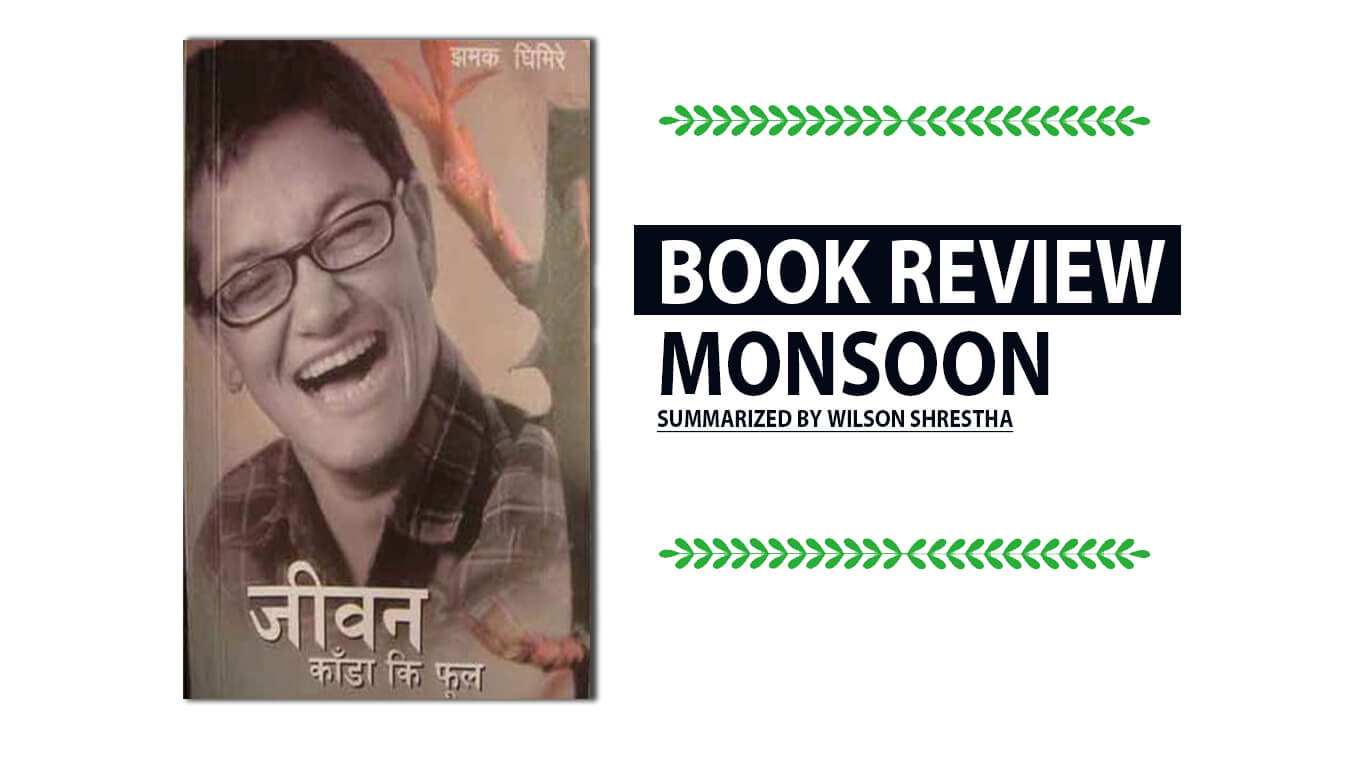
  5. Jiwan Kada Ki Phool by Jhamak Kumari Ghimire
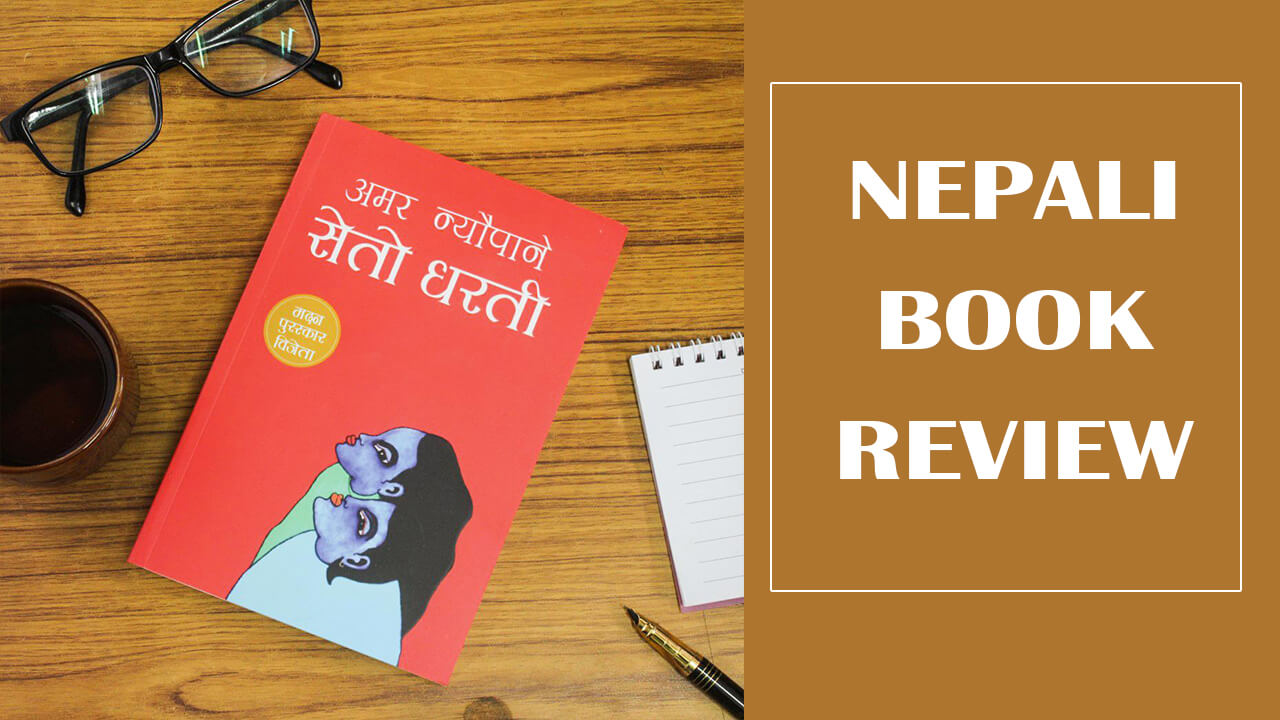
  6. Seto Dharti by Amar Neupane
  7. Shirishko Phool by Bishnu Kumari Waiba
  8. Pagal Basti by Saru Bhakta
  9. Muna Madan by Laxmi Prasad Devkota
  10. Summer Love by Subin Bhattarai
Palpasa Cafe Summary Nepali book review

Palpasa Café by Narayan Wagle

Palpasa Café is a modern classic that tells the story of a young artist who falls in love with a foreign journalist during the height of the Nepalese Civil War. It explores the themes of love, war, and art, and how they intersect with each other.

karnali blues nepali book review and summary

Karnali Blues by Buddhisagar

Karnali Blues is a coming-of-age novel that tells the story of a young boy growing up in a remote village in Nepal. It explores the themes of identity, belonging, and the search for meaning in life.

Radha Nepali Book Review Summary

Radha by Krishna Dharabasi

Radha is a historical novel set in the 16th century that tells the story of a woman who defies societal norms and conventions to follow her heart. It explores the themes of love, duty, and sacrifice.

seto bagh book summary and review

Seto Bagh by Diamond Shumsher Rana

Seto Bagh is a historical novel set in the Rana period that tells the story of a tiger hunt gone wrong. It explores the themes of power, greed, and the consequences of our actions.

Jiwan Kada Ki Phool Book Review and Summary

Jiwan Kada Ki Phool by Jhamak Kumari Ghimire

Jiwan Kada Ki Phool, also known as “A Flower In The Midst Of Thorns,” is a book written by Jhamak Kumari Ghimire about her life struggles. It won the Madan Puraskar award and has become one of the best-selling Nepali books. Published in 2010, it has been reprinted seven times within two years, inspiring readers with its message of hope and perseverance.

Seto Dharti - Nepali Book Review

Seto Dharti by Amar Neupane

Seto Dharti by Amar Neupane is a captivating and emotional novel that portrays the struggles of a family during the Maoist insurgency in Nepal. It explores themes of love, loss, and the devastating effects of war on humanity, leaving readers feeling perplexed yet deeply moved.

Shirishko Phool Book Review and Summary

Shirishko Phool by Bishnu Kumari Waiba

“Shirish Ko Phool” is a classic Nepali novel by Parijat that tells a moving story of love and sacrifice set against the backdrop of social stigma and hardship.

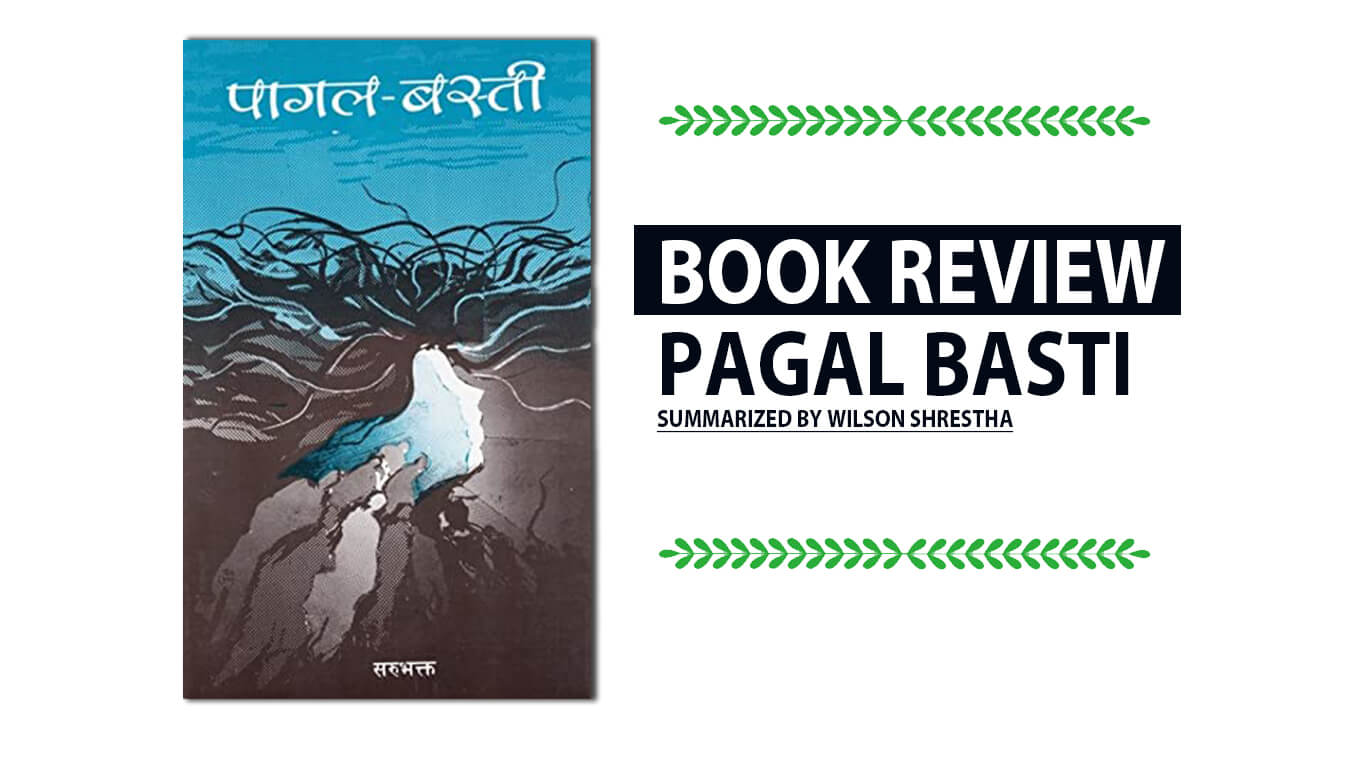
Pagal Basti by Saru Bhakta book summary and review

Pagal Basti by Saru Bhakta

“Pagal Basti” is a critically acclaimed Nepali novel by Saru Bhakta that offers a poignant portrayal of the lives of marginalized communities in Kathmandu, exploring themes of poverty, oppression, and the human will to survive.

MUNA MADAN NEPALI BOOK SUMMARY REVIEW

Muna Madan by Laxmi Prasad Devkota

Muna Madan is a masterpiece Nepali poem by Laxmi Prasad Devkota that narrates the story of a man named Muna. He sets out on a challenging journey to Tibet to provide for his family. The poem is an emotional and thought-provoking representation of human strength and the impact of love. Its timeless message and touching narrative will leave readers feeling perplexed yet captivated.

Summer Love book Summary in Nepali by Wilson Shrestha

Summer Love by Subin Bhattarai

Summer Love is a modern romance novel that tells the story of two young people who fall in love during their summer break. It explores the themes of young love, friendship, and the challenges of growing up.

Each of these 10 Nepali novels has its own unique style, themes, and messages that make them stand out. They showcase the rich cultural and literary heritage of Nepal, while also exploring universal themes that are relevant to readers from all backgrounds.

These exceptional Nepali novels are masterpieces of the country’s rich literary heritage, offering a captivating and insightful exploration of love, friendship, family, politics, and identity. These works of art provide a deep, immersive experience that not only encapsulates the Nepali culture and society but also has universal messages that resonate with readers from all walks of life.

Whether you’re a literature connoisseur or simply in search of an exceptional read, we wholeheartedly recommend immersing yourself in these 10 Nepali novels. With their carefully crafted characters, evocative settings, and mesmerizing narratives, these books are bound to both entertain and enrich you. These works of literature offer a unique perspective that will inspire, challenge and illuminate you, making them an excellent choice for anyone looking for a brustling and intellectually stimulating read.

[dsm_blog_carousel include_categories=”7″ use_excerpt=”off” use_date=”off” use_author=”off” _builder_version=”4.19.5″ _module_preset=”default” global_colors_info=”{}”][/dsm_blog_carousel]

Jhola Book Review and Summary

jhola book review and summary

“Jhola,” written by the acclaimed Nepali author Krishna Dharabasi, delves into the realm of uncertainty, identity, and tradition. The novel revolves around the protagonist, Purna, a young man struggling with the sudden and devastating loss of his father. Purna is torn between fulfilling the expectations of his community and asserting his own individuality, causing him to question the customs and beliefs of his hamlet.

However, Purna embarks on a journey of self-discovery, where he learns to embrace his own identity and to stand up for his convictions. The tale of “Jhola” is not only a heart-wrenching depiction of grief, but also a thought-provoking examination of societal norms.

The protagonist, Jhola, faces a completely different set of challenges as he is forced to flee his rural home after a near-fatal encounter with a local landlord. Jhola is thrown into the bustling city where he must navigate the complexities and dangers of urban life in order to find his place in the world.

As Jhola interacts with a diverse cast of characters, including other migrants, street vendors, and political activists, he gains a deeper understanding of the city and its ways. Despite facing numerous obstacles, Jhola remains determined to make a life for himself in the city and eventually finds work as a street vendor.

However, Jhola’s newfound sense of belonging is short-lived as he becomes embroiled in a conflict with the city authorities, forcing him to once again flee. During his travels, Jhola reflects on the experiences he has had and the lessons he has learned, ultimately leading to a deeper comprehension of the human condition.

In the end, Jhola returns to the city, wiser and more resilient, ready to face whatever the future may bring. He takes on a new job as a street vendor and begins to rebuild his life. Jhola’s journey is one of self-discovery and growth, as he grapples with issues of identity, belonging, and justice.

“Jhola” is an exceptional masterpiece that speaks to the universal human experience of loss, struggle, and self-discovery. Its powerful storytelling and portrayal of the human condition have garnered it numerous awards and solidified its place as a classic in modern Nepali literature. A must-read for anyone seeking to expand their literary horizons and delve into the complexities of the human experience.

The pluses associated with the opus “Jhola” penned by the Nepalese scribe Krishna Dharabasi are truly remarkable, to say the least!

An Enthralling Narrative: The narrative serves as a spellbinding and intellectually stimulating expedition of a youthful protagonist named Jhola, who is obligated to abandon his domicile and confront the labyrinthine intricacies of metropolitan existence to unearth his purpose in life.

Pertinent Thematic Exploration: The book delves into pivotal motifs, such as self-identity, belonging, justice, and the human experience, resulting in a thought-provoking read.

Eclectic Assembly of Personages: Jhola interacts with a medley of characters, including other migrants, street merchants, and political activists, who aid him in comprehending the metropolis and its ways.

A True Representation of Nepali Living: The novel presents a truthful depiction of Nepali life, encompassing its customs, traditions, and values.

Award-winning Accolades: The fiction has garnered numerous accolades for its compelling storytelling and its portrayal of the human experience, cementing its status as a highly esteemed piece of Nepalese literature.

However, there are certain drawbacks that accompany this literary masterpiece, including:

Profound Thematic Substance: The book grapples with intricate and sometimes troublesome themes, which may not be ideal for all readers.

Gradual Tempo: Some readers may find the pace of the book to be sluggish, particularly at the outset.

Culturally Particular: The book is situated in Nepal and may not be as comprehensible or relatable to readers unfamiliar with Nepali culture.

In conclusion, “Jhola” is a potent and intellectually stimulating novel that delves into crucial motifs and presents a true representation of Nepali living. Although it may not be ideal for all readers, it is a must-read for those intrigued by Nepalese literature or the human experience more broadly.

[dsm_blog_carousel include_categories=”7″ _builder_version=”4.16″ _module_preset=”default” global_colors_info=”{}”][/dsm_blog_carousel]

Laxmi Prasad Devkota Biography in Nepali

Laxmi Prasad Devkota Biography in Nepali

Maha kabi Laxmi Prasad Devkota

Birthplace: Delhi Bazar (Dhobidhara) Kathmandu

Date of Birth: 1966 B.S. Kartik-27 (12. November 1909)

Date of death: 2016 B.S. Bhadra 29 (14. September 1959)

Parents:  Pandit Til Madhav (Father) and Amar Rajyalaxmi Devkota (Mother)

The third child of their parents.

He was born on Laxmi puja day so his name became Laxmi Prasad Devkota. But his baby shower name is Tirth Madhav Devkota.

He was born into a Poor family. So he wants to learn English and work as an English teacher to earn money. His Father was pandit and used to write poems (Kabita). Laxmi Prasad Devkota’s inspiration was his father. At that time Nepal was ruled by Ranas. So it was tough for him to study because Ranas does not want the public to learn. They think that if people get educated, they will go against Ranas. After a lot of struggle, his family admitted him to the only school in Kathmandu Valley known as Durbar High School.

In 1982 B.S. Laxmi Prasad Devkota joins Trichandra College to graduate with a science. In 1985 B.S. he has gone to Patna, India to Study English. But he was not selected to study English then he joins Law. After that, for a few years, he becomes a teacher at TriChandra College. And he also becomes the Education minister of Nepal. During this phase, Nepal First University was also Established known as Tribhuban Bishwo Vidyalaya. 

From the Age of 10, he started poems and in a short time, he has written different Poems, Novels, Songs, dramas, etc.

In 1991 B.S. he published Muna Madan which is evergreen creation.

He died due to intestine Cancer. After knowing he was going to die soon, he started writing more creations on his deathbed.

[dsm_blog_carousel include_categories=”7″ _builder_version=”4.16″ _module_preset=”default” global_colors_info=”{}” theme_builder_area=”post_content”][/dsm_blog_carousel]

Radha Nepali Book Review Summary

Radha Nepali Book Review Summary

Book: Radha
Author:
 Krishna Dharabasi
Publisher: XlibrisUS
ISBN: 9781543470109
Genre: Fiction
Pages: 354
Summarized by: Wilson Shrestha

The novel differs from the traditional Krishna fable in two significant ways: first, it is told from the perspective of a woman; and second, the story is moved out of the realm of myth and into a more realistic context. The Mahabharat, an ancient epic text, provides much of the source material for Radha. Readers who are unfamiliar with Radha and Krishna’s love tale may find it difficult to get into the flow of the novel after a few pages. Even those who are unfamiliar with the myth will be lured into the story thanks to Mr. Paudyal’s informative introduction and gripping translation.

An ancient manuscript is discovered at the start of the book. The story of Radha and Krishna begins after some time spent looking for someone who can understand the manuscript. Krishna’s story is a classic Hindu myth, and many readers will be familiar with the fundamental plot. Nonetheless, Radha’s journal swiftly departs from the myth’s depiction of Krishna as a celestial figure. He and Radha live in a world that is as real as possible while remaining true to the myth’s overarching structure. The relationships and the narrative itself take on a whole new meaning with Radha as a guide through this universe. Radha highlights out how society treats women unfairly throughout her writings, and how women are often involved in the treatment they and other women experience. Moreover, despite her affection for Krishna since they were toddlers, she points out his flaws and criticizes the way he is brought up as the potential ruler. She commiserates with his wives, whom he abuses badly at times. Krishna, as seen through Radha’s eyes, becomes human, and his divinity fades away. While Krishna keeps breaking promises to return to Radha, she emerges as a strong woman capable of carving out a life for herself.

Mr. Paudyal feels that Radha belongs to “a Nepali school of critical thinking” that “says life is a leela – a theatre of illusions – as is the life of Krishna himself.” Mr. Paudyal is referring to the deconstruction of the Krishna myth in the book. While adhering to many of the traditional Krishna stories, the work gently questions those stories by its feminine perspective, sly language, and upending of the myth’s traditions. Those who are familiar with the Mahabharat will identify much of this subtle deception right away, while those who are new to the world may need to familiarize themselves with the original narrative.

Radha is a difficult work that will test readers on many levels. People who are familiar with the Krishna tale are encouraged to reconsider their perspectives. People who are unfamiliar with the Krishna narrative are invited to join a realm that may appear to be foreign to them. Dedicated readers, on the other hand, will discover a universality to the story that transcends the specific, as well as a narrative that questions the distinction between reality and illusion.

[dsm_blog_carousel include_categories=”7″ _builder_version=”4.16″ _module_preset=”default” global_colors_info=”{}”][/dsm_blog_carousel]

Binod Chaudhary An autobiography Book Review and Summary

Binod Chaudhary An autobiography Book Review and Summary
Book: Binod Chaudhary an Autobiography
Publisher ‏ : Nepalaya
Language ‏ : ‎Nepali
Pages: 352
Binod Chaudhary is a Nepalese businessman, industrialist, and philanthropist. He is the current chairman of Chaudhary Group (CG), a conglomerate that consists of nearly 80 companies. Chaudhary is also the first Nepali billionaire, as listed by Forbes. Besides business, Chaudhary has been involved in several other government and social sectors. He worked as a member of the constituent assembly and parliament of Nepal from April 2008 to May 2012. His CG Foundation works for social welfare and he often contributes in the areas of art, music, and literature as well.

Binod Chaudhary. 2015. Binod Chaudhary – My Story: From the Streets of Kathmandu to a Billion-Dollar Empire. Translated by Sanjeev Ghimire.

Kathmandu: nepa~laya.

Autobiographical books have emerged as a popular form in Nepali literary culture in the past several years. Considering that these were memoirs or autobiographies by journalists, TV personalities, army generals, business people, among others – faces that have had ample exposure in the popular media – these books have also been some of the more visible ones. To this cast of the enthusiastically promoted book, My Story by Binod Chaudhary, the business magnate and chairperson of the multinational conglomerate Chaudhary Group, is, therefore, a natural addition. Subtitled ‘From the streets of Kathmandu to a billion-dollar empire,’ suggesting a rags-to-riches story, this choice of subtitle for the English-language translation of the 2013 original âtmakathà might appear ironic for someone who was born into an already flourishing business family.But the irony is limited to the book’s exteriors. Chaudhary’s book is in fact an emphatically unironic account of what access to resources and influential connections can afford you.

Binod Chaudhary was born in 1955 in Kathmandu to a Marwari family who was among a group of trading families that migrated to Nepal from Rajasthan in the late 19th century. Having arrived in Nepal at the age of 20, Chaudhary’s grandfather Bhuramal Das had successfully managed a textile business by the 1930s. With Kathmandu’s aristocratic elite as the clientele, soon after the 1934 Nepal-Bihar earthquake, he had become the first individual in the country to start a formally registered clothing company. Tracing the roots of the family’s business conglomerate today known as Chaudhary Group to that beginning, Chaudhary writes that “the earthquake that shook Kathmandu to its foundations led to the foundation of the Chaudhary Group”.

Chaudhary’s father Lunkaran Das built on that foundation and expanded the family’s business beyond their popular textile store at Juddha Sadak in Kathmandu. After establishing international-trading houses and a construction company that won major contracts, in 1968, he also started a high-end retail store called Arun Emporium, which, according to the author, was also his father’s most successful enterprise. Like many young men from similar backgrounds who get their first professional experience running errands for the family business, Binod Chaudhary started out by helping his father at the Emporium, showing imported sarees to the affluent and nouveau-riche customers of Kathmandu.

But Chaudhary’s first independent business venture came in 1973: a discotheque called Copper Floor, which was one among many such clubs that were part of Kathmandu’s growing nightlife. In a chapter titled ‘The turning points,’ Chaudhary explains the origins of this enterprise, which he started in partnership with a Kathmandu hotelier named Kiran Sherchan. On making acquaintance with Sherchan, Chaudhary writes, “I started to adopt his ideas and mingle with his friends” – friends who also happened to be members of the social elite who “were close to the seat of power in one or the other way”, including the royal family. For the barely 20-year old, these new contacts, along with young tourists mostly from the West, formed a natural pool of disco patrons who were “eager to spend their money on a good night out”. Copper Floor was a success and thronged by some of the city’s rich and the powerful, a group whom Chaudhary learnt early on to seek out and cultivate relations with. This proximity to power is

a consistent motif in the book, especially when the author is writing about the crucial points of his career.

Inevitably, as an aspiring scion of a business family who was operating in Kathmandu’s narrow corridors of powers, Chaudhary came in working contact with the country’s political class. In 1979, Chaudhary landed a deal with the Japanese electronic firm National Panasonic – his first multinational collaboration – to import their parts to assemble and manufacture radios in Nepal. All he needed was a license from the government. Incidentally, around the same time, the then Prime Minister Surya Bahadur Thapa had sought financial assistance from Chaudhary and his father, “to fund the campaign for the retention of Panchayat regime” in the impending

referendum between Panchayat system and multiparty democracy. They decided to support the campaign, and soon enough, Chaudhary received the license for the importation, as well as for two different enterprises he had been lobbying for.

But a sudden downfall of Thapa from the government ensured that Chaudhary had to look for new political patronage. He soon found that in Dhirendra Shah, King Birendra’s younger brother and an acquaintance from the Copper Floor days. With Shah as a business ally, who brought with him all the advantages and immunities that came with a royal background, Chaudhary

could successfully start several projects, including a steel plant, unimpeded. But once again, with the change in political guards following the 1990 popular movement for democracy, he built close links with the parliamentary parties. His proximity to the Communist Party of Nepal-Unified Marxist Leftist (CPN-UML) is particularly curious, which involved him working on their draft of economic policy in 1994 to being a member of the Constituent Assembly nominated by the party in 2008. Chaudhary calls himself “basically a non-political person” and more than once protests about getting caught in a web of political intrigue. But by his own account, these affinities with political actors appear to have been quite profitable for his business. For a book written by purportedly the most financially successful businessman in Nepal, however, it is rather sparse when it comes to explaining the strategic reason behind his entrepreneurial successes. To be sure, Chaudhary spends a good bulk of the book detailing numerous episodes of his accomplishments. But in most cases, all one can glean from the presented narrative is that having close business and personal ties to the right set of people gives you lasting dividends. This is true whether Chaudhary wants to start an instant-noodle manufacturing plant in Sikkim (India), attempts to retain his shares at Nabil Bank, or even make the government revoke its previous decision and award his firm a hydropower contract. Perhaps in response to this excess focus on personal connections, Chaudhary enumerates a few business ‘mantras’ in the manner of a self help business book. These include such gems as “Do not give in,” “Nothing

succeeds like success,” “Keep yourself updated,” and even the more prosaic ones like “Market astuteness” and “Cost cutting.” Significantly, even as Chaudhary notes in the book’s acknowledgement that this is also “Chaudhary Group’s autobiography [sic],” he forgets to address the role of other individuals who have made significant contribution to the enterprise. The most glaring of this omission involves his two siblings, Basant and Arun, who initiated and presently spearhead some of the important companies that fall under the Group. Since the book doesn’t clarify these internal divisions of control and ownership, it risks giving an exaggerated

picture of Chaudhary’s role in the Group. There are two notable exceptions to this absence of details on operations. First of this occurs during the “war of instant noodles” (p. 141), when the

entrance of several competitors slashed Chaudhary Group’s most famous product Wai Wai’s monopoly in the Nepali instant-noodle market. In response, the group launched their own set of publicity campaigns, highlighting their new prize schemes. More interestingly, the Group started producing brands of cheaper noodles – also called “fighter brands” – to compete with

those brands that had price advantage over Wai Wai. Another area where Chaudhary provides structural understanding of his business is in describing his foray into international investment. The existing laws in Nepal bar its citizens from investing abroad, but Chaudhary managed to employ a loophole in the laws which allowed a non-resident Nepali (NRN) – legally meaning any Nepali national who had lived outside the country for over 183 days in the last year – to make investments abroad.

Fortunately for him, there were no similar restrictions on Nepalis receiving shares of a foreign company. These facts allowed Chaudhary to start Singapore-based Cinnovation in 1990, the international wing of his business conglomerate. But the mode of investment was much different than before.


The new company followed the venture-capital model, where instead of directly investing their own capital, companies like Cinnovation would pool money from individuals and organizations who were promised high returns on their investment. All Chaudhary had to do was identify potential product and market, and find international companies willing to invest. It is through this mode of operation that Chaudhary Group has today made headways into a wide range of products and services that includes fast-moving consumer products, hotels, resorts, telecommunications, cement, etc. Still, most incidents Chaudhary recounts only serve to repeatedly establish the unsurprising fact that he is acquainted with the financial and political elite around the world. And so the readers have a chapter titled ‘World leaders and I,’ where the author moves from one famous person to another (all of them men), assuring the reader how much he admires them. Apart from signaling his preference for authoritarian neoliberals – the list includes Mahinda Rajapaksa, Mahathir bin Mohammad, Lee Kwan Yew, Narendra Modi – and being “emotionally involved” in the fate of the countries he invests in, the chapter achieves little. In a similar vein, his chapter on his interests – music, cinema and a “passion for automobiles” – show scant interest in giving his readers a glimpse of his inner life. Instead, the reader emerges with the knowledge that for someone with a resourceful background like Chaudhary’s, making amateur overtures on one’s hobbies – a music album, for instance – is that much more easier.

This ideology of networking permeates his views on raising his children too. Getting all three of his sons into the elite Doon boarding school in Dehradun, Chaudhary notes, was not only for education, but also for social networking – for “a network of contacts to lay the foundation for a

multinational company”.

The publishers of My Story claim that the book is an autobiography, but most of its formal indicators suggest that it is in fact a memoir – a distinction that seems to have been missed by similar autobiographical works in recent years. Aspects of purposeful research, such as attention to dates and chronology, are often missing. Chaudhary also forgets to give necessary contexts to sometimes disconnected series of anecdotes. In many recollections, instead of merely narrating the events from his memory in the usual first person, he provides a dramatic recreation – with direct speech from himself and others within quotes. This might convey the author’s healthy sense of memory, but for critical readers and potential researchers, such technique does little to establish the authorial credibility. But in a time where books have become another extension of the individual as a brand, such readers are perhaps not his primary audience. “I always find a way to get what I want,” Chaudhary coolly remarks at one point in the book.

By the end, one finds, the point has been adequately made.

[dsm_blog_carousel include_categories=”7″ _builder_version=”4.14.4″ _module_preset=”default” global_colors_info=”{}”][/dsm_blog_carousel]