
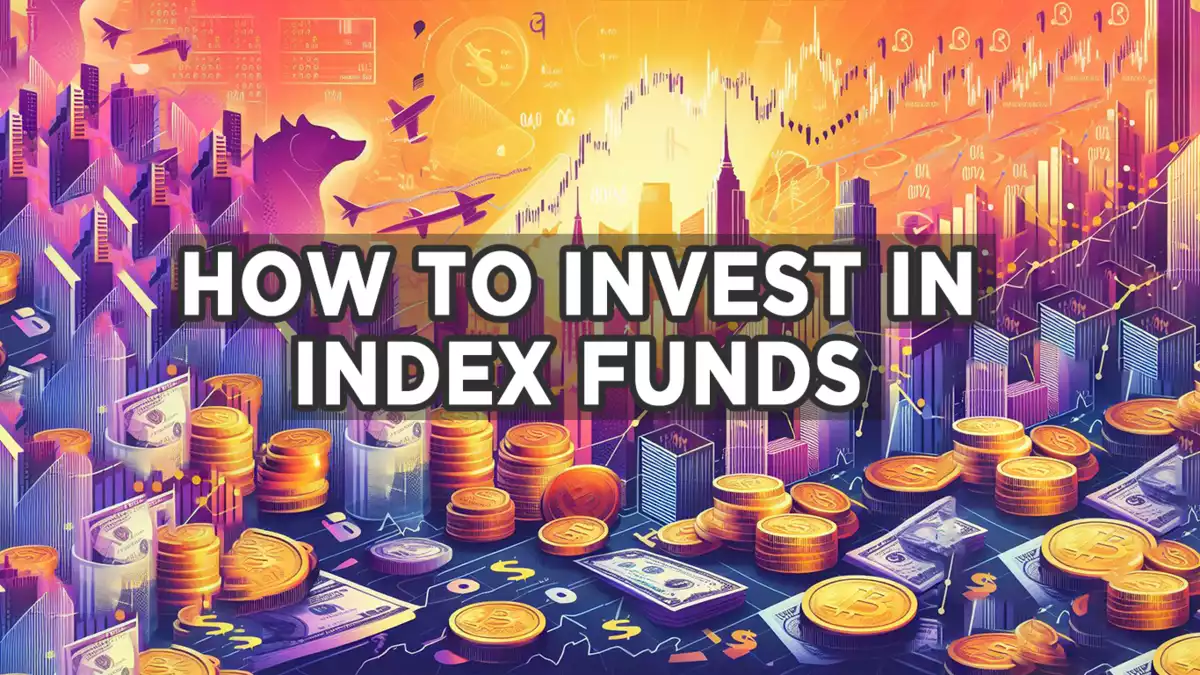
With over a decade of hands-on experience in navigating the dynamic landscape of financial markets, I bring a wealth of expertise to guide you through the intricacies of index fund investments. Having witnessed the ebb and flow of various market trends, I understand the nuances that contribute to successful, long-term strategies. My commitment to providing reliable, well-researched information stems from a genuine passion for empowering investors to make informed decisions. Whether you’re a novice or seasoned investor, my depth of experience ensures that you receive trustworthy insights tailored to your financial goals. Join me on this journey, and let’s navigate the world of index funds together with confidence and clarity.
TABLE OF CONTENTS
- Introduction
- Understanding Index Funds
- Advantages of Investing in Index Funds
- Choosing the Right Index Fund
- How to Start Investing in Index Funds
- Common Mistakes to Avoid
- Monitoring and Adjusting Your Portfolio
- Tax Implications of Index Fund Investments
- The Role of Index Funds in a Diversified Portfolio
- Performance Expectations
- Index Funds vs. Other Investment Vehicles
- Case Studies of Successful Index Fund Investors
- Market Trends Impacting Index Fund Investments
- Future Outlook for Index Funds
- Conclusion
- FAQs
Introduction
Investing wisely is a goal shared by many, and for those seeking a balanced and low-cost approach, index funds have become an increasingly popular choice. In this guide, we’ll unravel the intricacies of index funds, exploring how to invest in them effectively and make informed decisions for a prosperous financial future.
Understanding Index Funds
Index funds, at their core, are a type of mutual fund or exchange-traded fund (ETF) designed to mirror the performance of a specific market index. These funds passively track the components of a chosen index, such as the S&P 500, without active management decisions. This straightforward approach often results in lower fees compared to actively managed funds.

Advantages of Investing in Index Funds
Investors are drawn to index funds for several compelling reasons. Firstly, their low expense ratios make them cost-effective, allowing individuals to keep more of their returns. Additionally, the inherent diversification within index funds mitigates risk, as they encompass a broad range of assets. The passive management strategy reduces the impact of human emotions on investment decisions, often resulting in steadier, long-term growth.
Choosing the Right Index Fund
Before diving into the world of index funds, it’s crucial to select the right one for your investment goals. Conduct thorough research on different indexes, considering factors such as historical performance, risk levels, and sectors covered. Align your choice with your risk tolerance and overall investment strategy.
How to Start Investing in Index Funds
Getting started with index fund investments is relatively straightforward. Begin by setting up a brokerage account with a reputable platform. Once your account is active, choose the index fund that aligns with your investment objectives and make your initial investment. This can often be done with a modest amount, making index funds accessible to a wide range of investors.
Common Mistakes to Avoid
While index funds offer a straightforward investment option, there are common pitfalls to be aware of. Avoid chasing past performance, as historical success doesn’t guarantee future gains. Pay close attention to expense ratios, as high fees can erode your returns over time. Regularly review your portfolio to ensure it aligns with your financial goals.
Monitoring and Adjusting Your Portfolio
Successful investing is not a “set it and forget it” endeavor. Regularly monitor your index fund investments and consider rebalancing your portfolio periodically. This ensures that your asset allocation remains in line with your risk tolerance and long-term objectives.

Tax Implications of Index Fund Investments
Understanding the tax implications of your investments is crucial for effective financial planning. Index funds, known for their tax efficiency, can be an advantageous choice. Familiarize yourself with concepts such as capital gains and explore tax-efficient strategies to maximize your returns.
The Role of Index Funds in a Diversified Portfolio
Index funds play a pivotal role in a diversified investment portfolio. By complementing other assets, they contribute to risk management and provide stability during market fluctuations. Incorporate index funds strategically to achieve a well-balanced and resilient portfolio.
Performance Expectations
While past performance can offer insights, it’s essential to set realistic expectations for your index fund investments. Markets evolve, and historical trends may not persist. A measured and informed approach will serve investors well in navigating the unpredictable nature of financial markets.

Index Funds vs. Other Investment Vehicles
Comparing index funds with alternative investment vehicles, such as mutual funds and ETFs, is vital for making informed decisions. Each option has its pros and cons, and understanding these distinctions will empower you to select the most suitable investment for your financial objectives.
Case Studies of Successful Index Fund Investors
Real-world success stories can provide valuable lessons. Explore case studies of individuals who have achieved financial prosperity through strategic index fund investments. Learn from their experiences and apply relevant insights to your own investment journey.
Market Trends Impacting Index Fund Investments
Stay informed about broader economic and global trends that may influence the performance of index funds. Understanding these factors will enable you to make informed decisions, aligning your investments with the prevailing market conditions.
Future Outlook for Index Funds
As financial landscapes evolve, so do investment opportunities. Consider the future outlook for index funds, taking into account emerging trends and potential challenges. A proactive approach to your investment strategy will position you for long-term success.
Conclusion
In conclusion, investing in index funds offers a practical and cost-effective way to build wealth over time. By understanding the fundamentals, making informed choices, and staying attuned to market trends, investors can navigate the complexities of the financial world with confidence. Embark on your investment journey with a well-rounded strategy that includes the resilience of index funds.
Frequently Asked Questions
Are index funds suitable for all investors?
Index funds can be suitable for a wide range of investors, but it’s essential to consider individual financial goals and risk tolerance.
How often should I review my index fund portfolio?
Regular reviews, at least annually, are recommended to ensure your portfolio aligns with your long-term objectives.
Can I invest in multiple index funds simultaneously?
Yes, diversifying across different index funds can further enhance your portfolio’s resilience.
What role do fees play in index fund investments?
Low fees are a significant advantage of index funds, as they allow investors to retain a higher portion of their returns.
How do I rebalance my index fund portfolio?
Rebalancing involves adjusting your asset allocation to maintain the desired risk level, typically done annually or as needed.

Ropani to Square Feet Converter: Jagga Napi Tool for Nepal (2026)

Online Typeshala: Free Nepali Typing Tutor (Preeti & Unicode)
Use Online Typeshala free in your browser: Nepali and English typing lessons, Preeti and Unicode layouts, live WPM, a 4-week plan and Lok Sewa speed targets.
Typeshala vs Online Typing Tools (Typing.com, 10FastFingers): Which Is Best?
Typeshala vs Typing.com vs 10FastFingers compared: Nepali (Preeti) support, lessons, speed tests, offline use, cost and which tool to use for Lok Sewa typing practice.
Typeshala Keyboard Shortcuts & Lesson Guide (Preeti Key Map + 30-Day Plan)
Every Typeshala keyboard shortcut in one place: menu and DOSBox keys, the full Preeti key map, the Shift rule for half letters, matra order, and a 30-day lesson plan with WPM targets.
Common Typing Mistakes and How Typeshala Helps Fix Them
The most common typing mistakes in English and Nepali, from looking at the keyboard to Preeti vs Unicode mix-ups and halanta errors, plus exactly how Typeshala helps you fix each one.

NEB GPA Calculator
alt="NEB GPA Calculator Nepal for Class 11 and 12 showing grade points, credit hours and final GPA result" NEB GPA Calculator — calculate your Class 11 and Class 12 GPA and download a printable provisional marksheet. NEB GPA Calculator Nepal: Calculate Your Class 11...

Driving License Print Status Check Online Nepal (2026): Free DOTM Tool
Check whether your DOTM smart card driving licence has been printed in Nepal. Free bilingual tool with bulk check, SMS fallback and a plain guide to what each result means.

SIP Calculator Nepal 2026 – Mutual Fund SIP Returns in NPR
SIP CALCULATOR NEPAL — wilson.com.np Paste into WordPress "Custom HTML" block (full post body). Self-contained: scoped CSS + vanilla JS. No dependencies. ============================================================ -->SIP Calculator Nepal — work out exactly what your...