
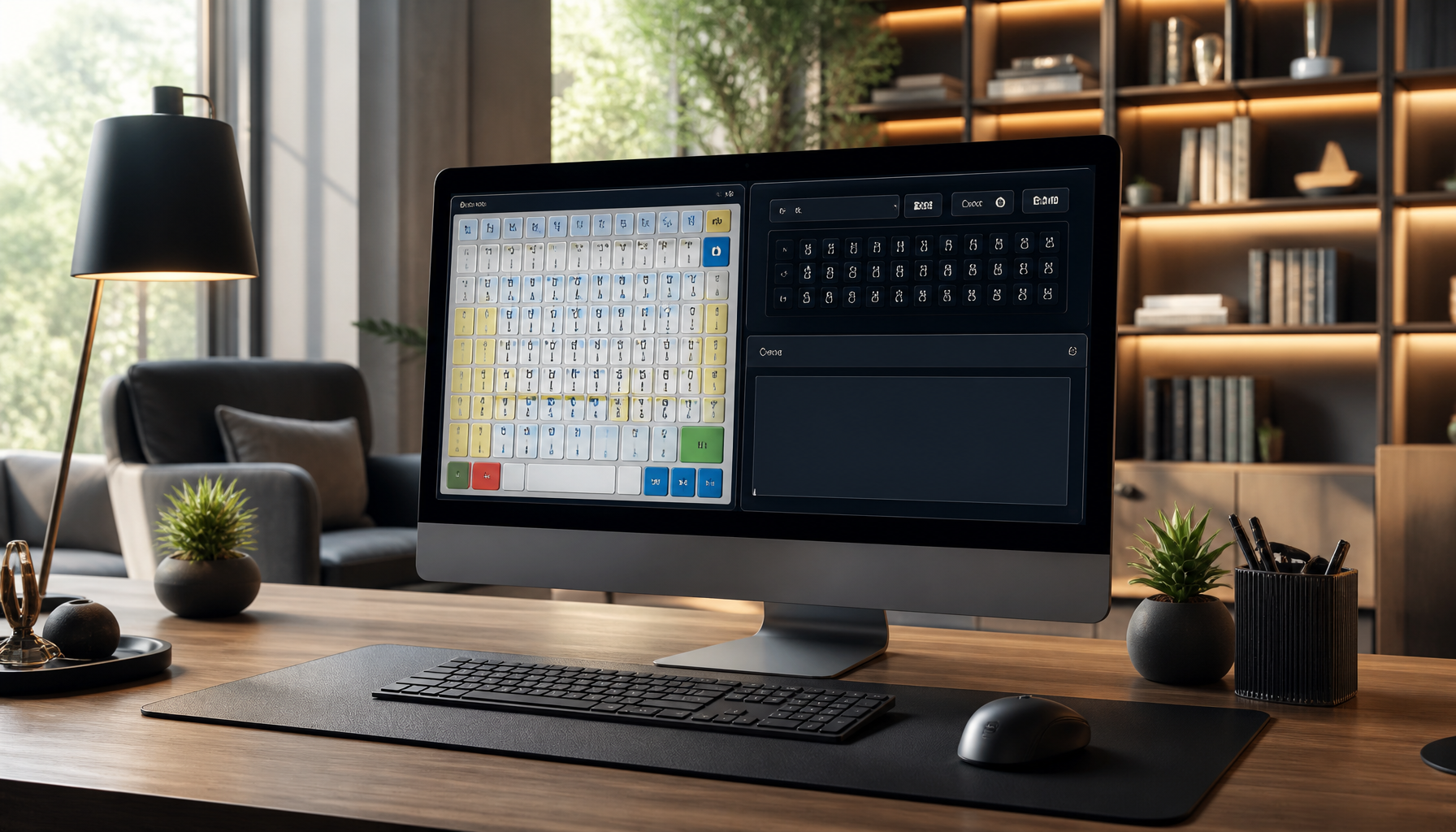
Devanagari Typing Methods: Inscript vs Phonetic
In the realm of digital communication, Devanagari typing methods have become indispensable for anyone engaging with languages like Hindi, Marathi, and Nepali. As more people turn to digital platforms for communication, understanding the nuances of Devanagari typing systems becomes crucial. Two primary methods dominate the landscape: Inscript and Phonetic. This article explores these methods, offering insights into their workings, advantages, and the contexts in which they excel.
Introduction to Devanagari Typing Methods
History and Evolution
The Devanagari script, used for over 120 languages, has a rich history that dates back to ancient times. With the advent of computers, the need for efficient Devanagari typing methods became evident. Initially, typing in Devanagari was cumbersome due to a lack of standardized methods. However, the development of Unicode and keyboard layouts like Inscript revolutionized this space. Today, Devanagari typing is integral to modern computing, facilitating seamless communication in native languages.
Importance in Modern Computing
In today’s digital age, the ability to type in Devanagari is vital for accessing information, creating content, and communicating effectively in several languages. Both Inscript and Phonetic typing methods cater to different user needs, making them pivotal in bridging linguistic and technological gaps.
Understanding Inscript Typing
Layout and Design
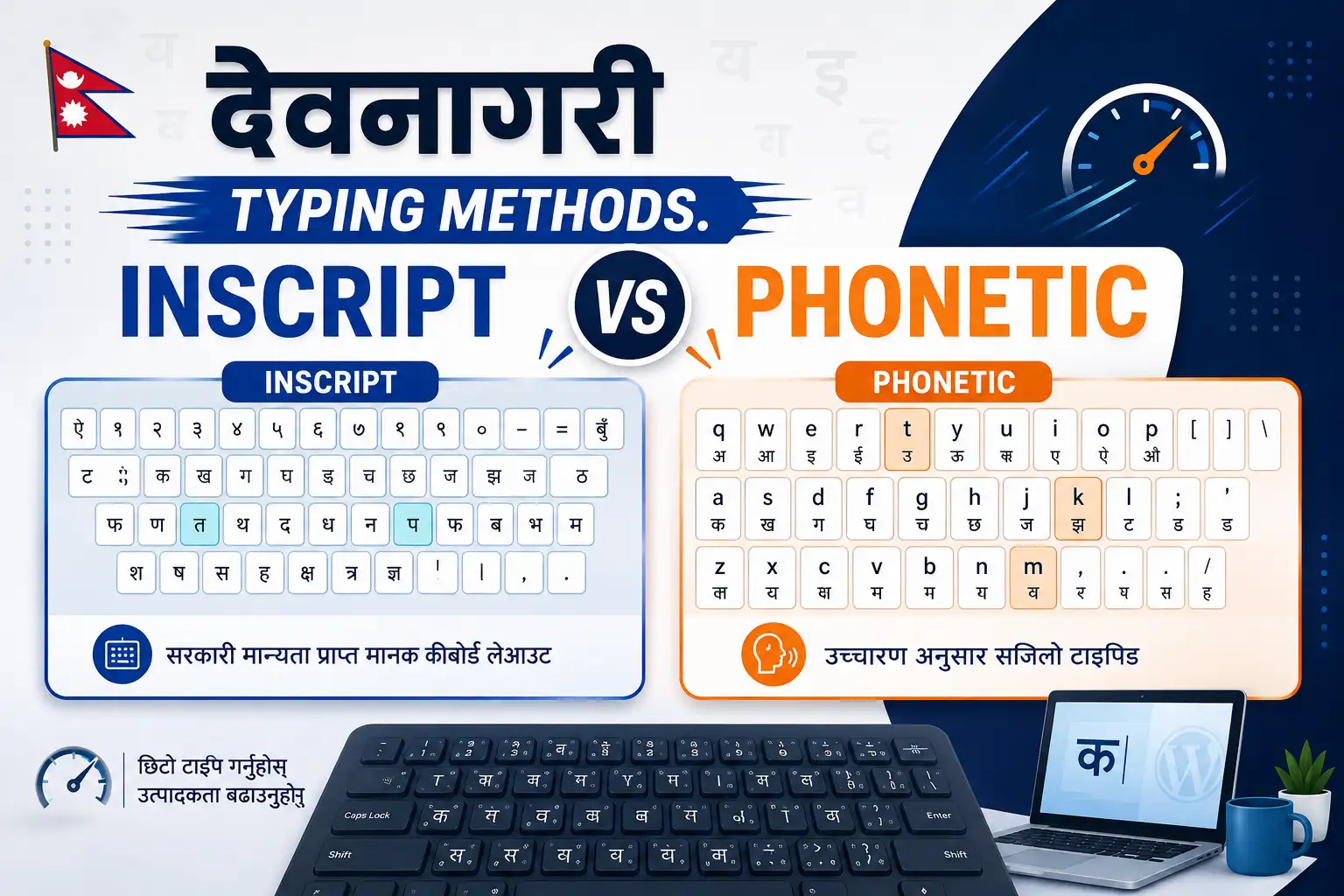
The Inscript typing method is a standardized keyboard layout designed by the Government of India. It maps the Devanagari characters to specific keys on the keyboard, allowing users to type directly in Devanagari. The layout is intuitive for those familiar with the script, as it follows the logical sequence of characters.
For a detailed guide on the Inscript layout, refer to the [Government of India’s Inscript keyboard layout guide](https://www.meity.gov.in/content/inscript-keyboard).
Advantages of Inscript Typing
- Standardization: Inscript is a standardized layout, ensuring consistency across devices and platforms.
- Direct Input: Users can type in Devanagari without converting from another script, making it ideal for formal and professional use.
- Comprehensive Character Set: It supports a wide range of Devanagari characters, including rare and complex symbols.
💡 Pro Tip: Familiarize yourself with the Inscript layout through online typing tutors to improve speed and accuracy.
Exploring Phonetic Typing
How Phonetic Typing Works
Phonetic typing translates the phonetic sounds of Devanagari words into Roman script. For example, typing “namaste” will convert into “नमस्ते.” This method leverages the familiarity of the Roman alphabet, making it accessible to new learners and casual users.
Benefits and Drawbacks
- Accessibility: Phonetic typing is user-friendly, especially for those who are not native Devanagari speakers.
- Ease of Use: Requires minimal learning curve, as it relies on the phonetic sounds of words.
- Limitations: May not capture complex characters accurately, leading to potential errors in formal documents.
⚠️ Important Note: Phonetic typing may not be suitable for official documents due to potential inaccuracies in character representation.
Devanagari Inscript vs Phonetic Typing: A Detailed Comparison
Efficiency and Speed
| Aspect | Inscript Typing | Phonetic Typing |
|---|---|---|
| Typing Speed | Slower initially, faster with practice | Generally faster for beginners |
| Accuracy | High accuracy in character representation | May vary based on phonetic accuracy |
| Device Compatibility | Universally compatible | Requires specific software |
User Learning Curve
Inscript typing has a steeper learning curve, demanding users to memorize key placements. However, once mastered, it offers high accuracy and speed. Phonetic typing, on the other hand, is intuitive and quick for beginners but may not cater to complex typing needs.
Choosing the Right Typing Method for You
Assessing Your Needs
To choose the right typing method, consider your specific requirements:
- Professional Use: Opt for Inscript if you need precision and are working on official documents.
- Casual Use: Phonetic typing is suitable for casual communication and quick typing tasks.
Future Trends in Devanagari Typing
The future of Devanagari typing is poised to evolve with advancements in AI and machine learning. Predictive text and voice recognition technologies are expected to enhance typing efficiency, offering users more intuitive experiences.
For further technical insights into Unicode and its role in standardizing scripts, refer to the [Unicode Consortium’s official documentation](https://unicode.org/standard/WhatIsUnicode.html).
In conclusion, whether you choose Inscript or Phonetic typing depends on your specific needs and proficiency level. Both methods have their unique strengths, catering to a diverse range of users. By understanding their differences, you can make an informed decision and enhance your Devanagari typing skills.
Frequently Asked Questions
What is the primary difference between Inscript and phonetic typing?
Inscript typing uses a fixed keyboard layout, while phonetic typing is based on sound representation.
Which typing method is faster for beginners?
Phonetic typing is generally faster for beginners due to its intuitive nature.
Can I use both typing methods interchangeably?
Yes, but it may require practice to switch seamlessly between the two methods.