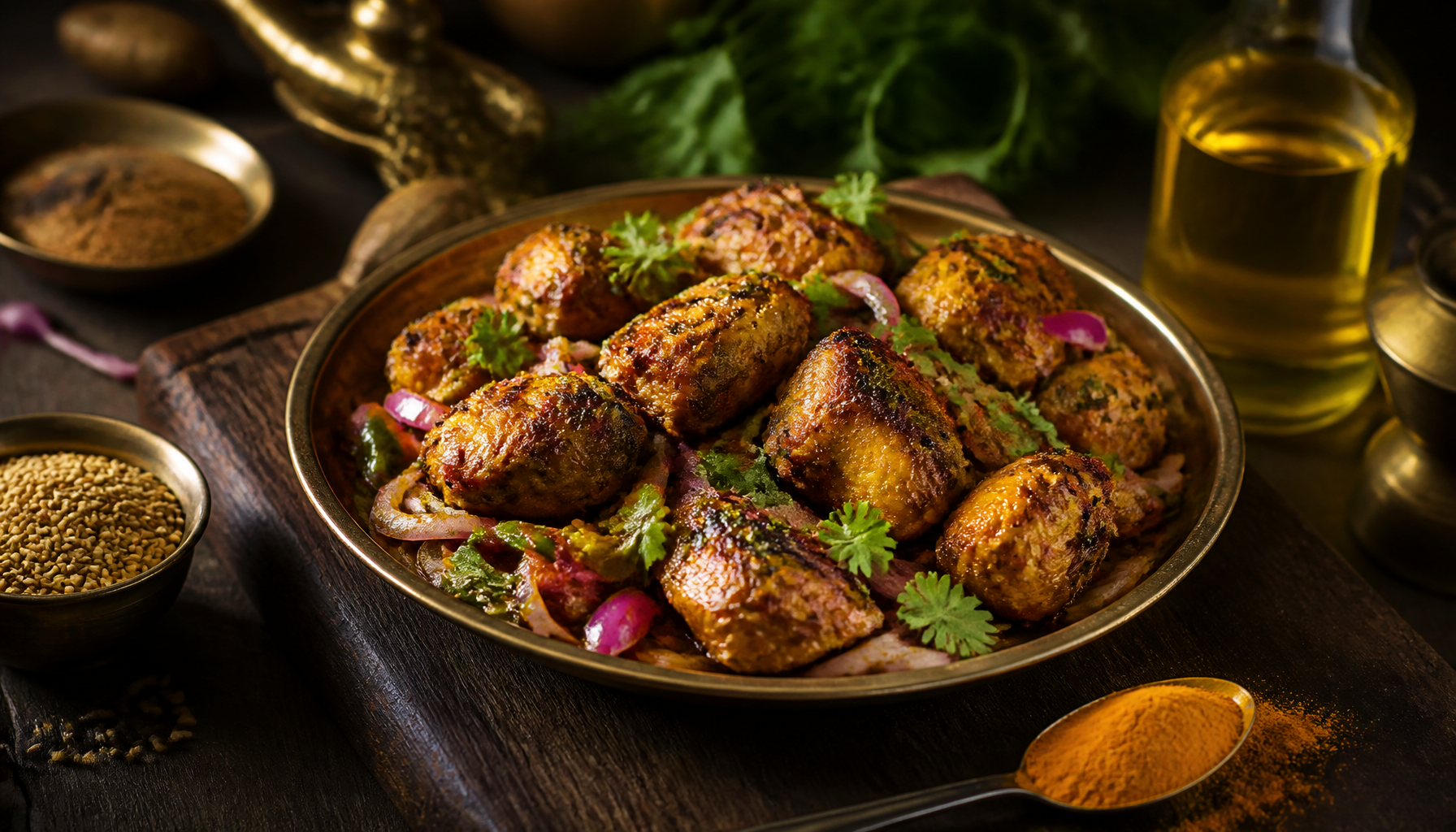
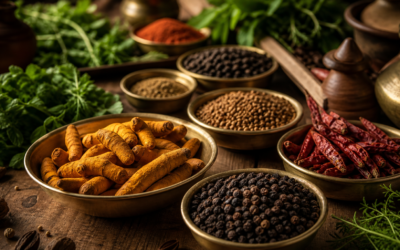
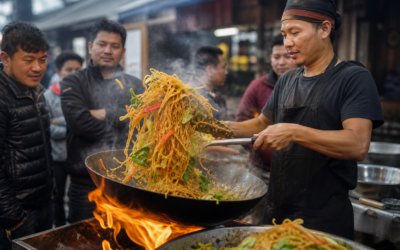
Chicken Choila is a quintessential dish in Nepalese cuisine, celebrated for its bold flavors and aromatic spices. This spicy delight is a staple in Nepal’s Newari community, often served during festivals and special occasions. While it may seem intricate, learning how to make an authentic chicken choila recipe is both rewarding and insightful. If you’re new to Nepalese cuisine, [this overview](https://www.tasteatlas.com/nepalese-cuisine) provides a great introduction.
📌 Key Takeaways
Learn to make authentic chicken choila with step-by-step instructions.
Discover the cultural significance of this traditional Nepalese dish.
Adjust spice levels to suit your taste preferences.
📋 Table of Contents
16 Sections
The Origins of Choila
Choila, traditionally made with buffalo meat, has evolved to include chicken and other meats. Originating from the Kathmandu Valley, this dish is deeply rooted in Newari culture. It symbolizes hospitality and is a common offering during religious and cultural ceremonies. Choila’s robust flavors come from a unique blend of spices and the smoky aroma achieved through grilling or smoking the meat.
Why Choila is a Must-Try
For food enthusiasts, choila offers a unique taste experience. Its spicy, tangy, and smoky profile is unlike anything else. The dish is not only delicious but also a testament to the rich culinary heritage of Nepal. Trying choila is an exploration of flavors and a cultural journey that every food lover should embark on.
Essential Ingredients for Chicken Choila
Crafting the perfect chicken choila requires a careful selection of ingredients that contribute to its distinctive taste.
Traditional Spices and Marinade
The marinade is the heart of any good choila recipe. Here’s a list of essential spices:
Mustard Oil: Provides a pungent, nutty flavor.
Turmeric Powder: Adds color and subtle earthiness.
Cumin and Coriander Powder: For a warm, aromatic base.
Fenugreek Seeds: Impart bitterness and depth.
Red Chili Powder: Essential for that spicy kick.
Ginger-Garlic Paste: A staple in Nepalese cooking.
These ingredients are fundamental in creating the authentic taste of choila. For a deeper understanding of these spices, check out this guide on [traditional Nepali spices](https://www.foodrepublic.com/recipes/essential-nepali-spices/).
Choosing the Right Chicken
Selecting quality chicken is crucial. Opt for boneless, skinless chicken thighs for their juiciness and flavor. They hold up well to grilling and absorb the marinade beautifully. Freshness is key, so ensure your chicken is of high quality.
Step-by-Step Chicken Choila Recipe
Step-by-Step Chicken Choila Recipe
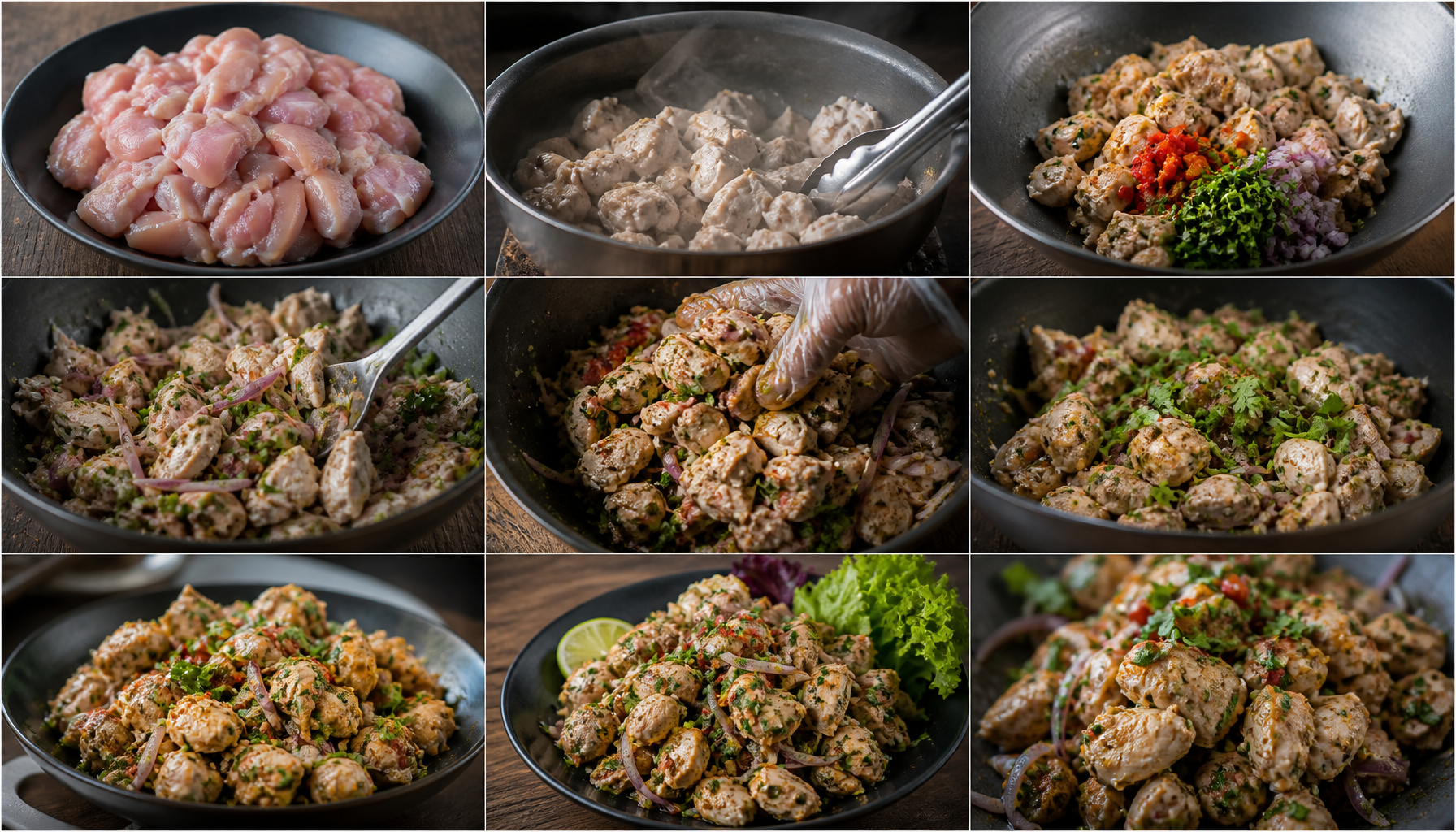
Creating chicken choila can be broken down into manageable steps. Here’s a detailed guide to help you through the process.
Preparing the Marinade
Gather Ingredients: Combine 2 tablespoons of mustard oil, 1 teaspoon each of turmeric, cumin, and coriander powder, ½ teaspoon of fenugreek seeds, 1 tablespoon of red chili powder, and 2 tablespoons of ginger-garlic paste.
Mix Thoroughly: In a large bowl, mix the spices with the mustard oil until well combined.
Marinate Chicken: Add 500g of chicken thighs, ensuring each piece is coated evenly. Let it marinate for at least 2 hours, or overnight for best results.
Grilling the Chicken
Preheat Grill: Heat your grill to medium-high.
Grill Chicken: Place marinated chicken on the grill. Cook for 5-7 minutes on each side until fully cooked and slightly charred.
Rest and Slice: Once done, let the chicken rest for a few minutes before slicing it into bite-sized pieces.
Final Assembly
Mix with Onions: In a bowl, combine the grilled chicken with finely sliced onions, fresh cilantro, and a squeeze of lemon juice.
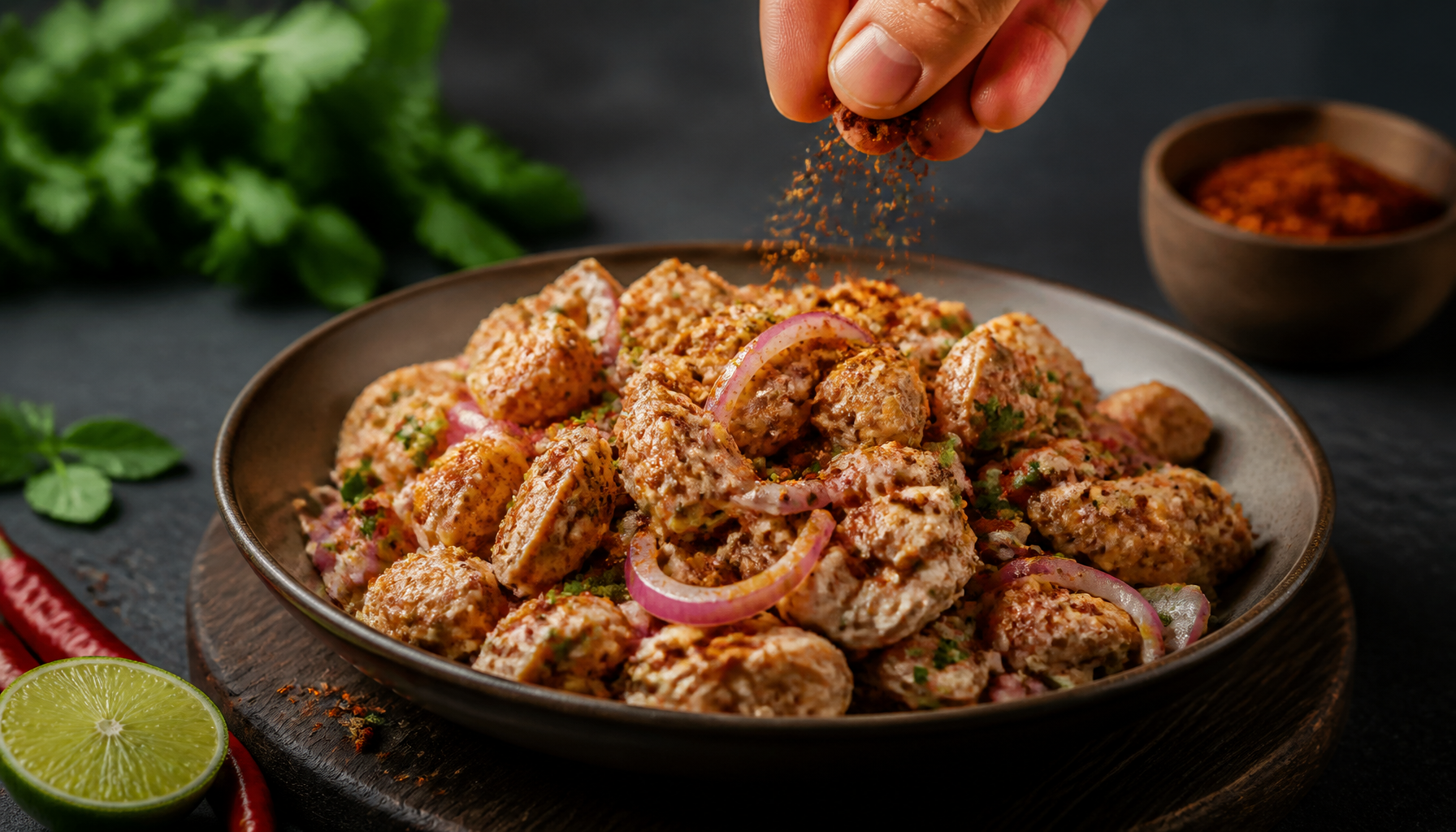
Adjust Seasoning: Taste and adjust the seasoning with salt and additional chili if desired.
Serve: Arrange on a platter and serve with traditional sides.
💡 Pro Tip: For an authentic smoky flavor, briefly smoke the chicken over a charcoal grill.
Adjusting the Spice Levels
Adjusting the Spice Levels
Understanding and adjusting spice levels is crucial in making a chicken choila that suits your palate.
Understanding Spice Tolerance
Nepalese dishes are known for their heat, but you can always adjust the spice according to your tolerance. It’s important to taste the marinade before adding it to the chicken to gauge the spice level.
Modifying the Heat
Reduce Chili: Use less red chili powder if you prefer a milder dish.
Add Yogurt: Incorporate a tablespoon of yogurt into the marinade to mellow the heat.
Sweet Balance: A pinch of sugar can balance out the spiciness without altering the authentic taste.
⚠️ Important Note: Always start with less spice and gradually increase to avoid overpowering the dish.
Serving Suggestions and Pairings
Choila is versatile and pairs well with various accompaniments.
Traditional Accompaniments
Beaten Rice (Chiura): A classic side that adds texture.
Achar (Pickles): Provides a tangy contrast.
Bhatmas Sadeko (Spiced Soybeans): For an extra crunch.
Modern Twists
Wraps and Tacos: Use choila as a filling for wraps and tacos.
Salads: Add to a fresh salad for a spicy, protein-packed meal.
Fusion Bowls: Combine with quinoa or brown rice for a healthy twist.
Chicken choila is a delightful dish that offers an authentic taste of Nepalese cuisine. Whether you’re a seasoned cook or a culinary adventurer, mastering this recipe will expand your culinary repertoire and provide a delicious experience. Enjoy the process of making this spicy Nepalese delight and share it with friends and family for a taste of Nepal‘s vibrant culture.
Frequently Asked Questions
What is chicken choila?
Chicken choila is a spicy grilled chicken dish from Nepal, known for its rich flavors and aromatic spices.
How spicy is chicken choila?
The spice level can vary, but it is traditionally quite spicy. Adjustments can be made to suit personal preferences.
What can I serve with chicken choila?
Choila is often served with beaten rice, pickles, and sometimes a variety of salads.
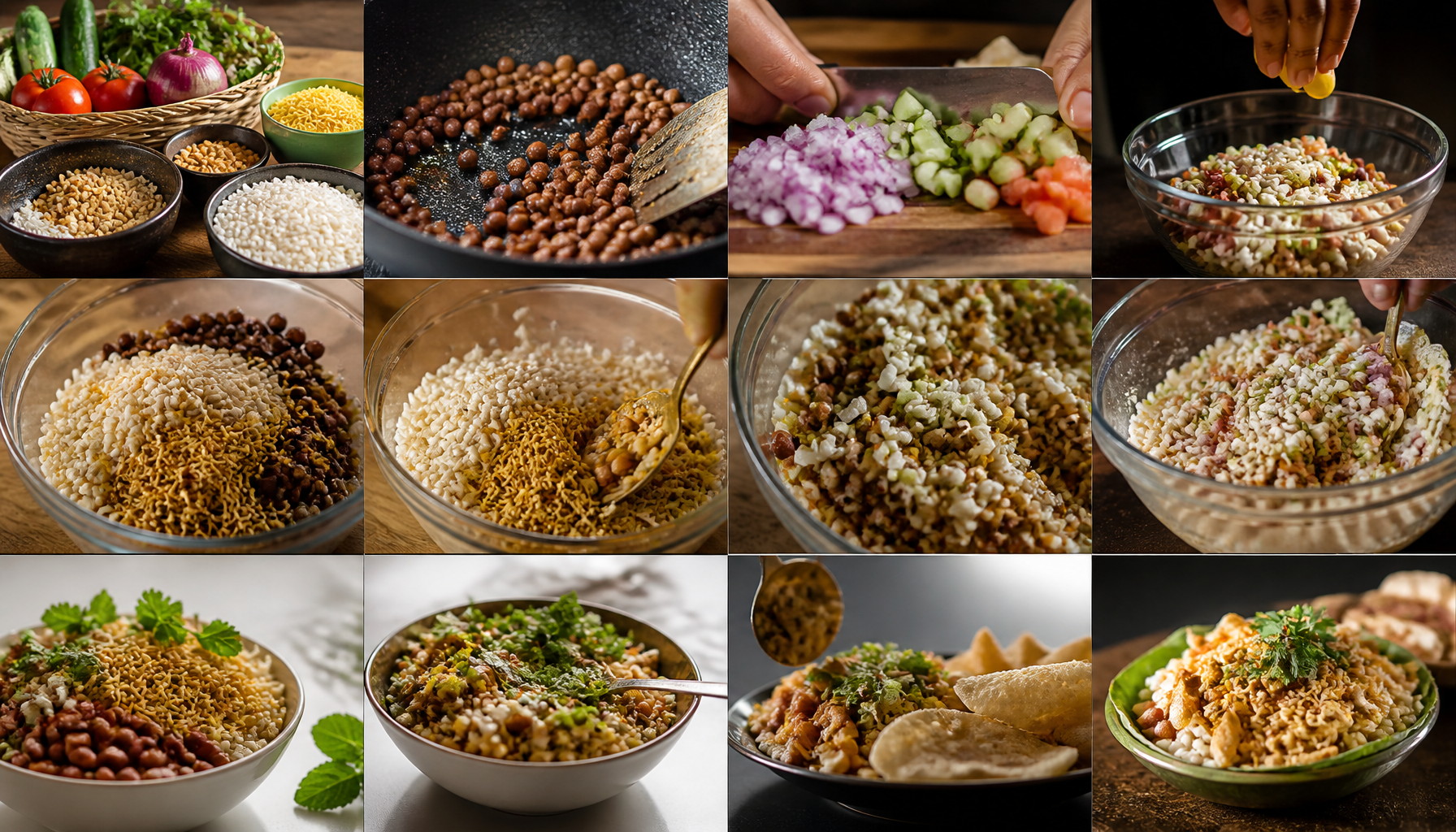
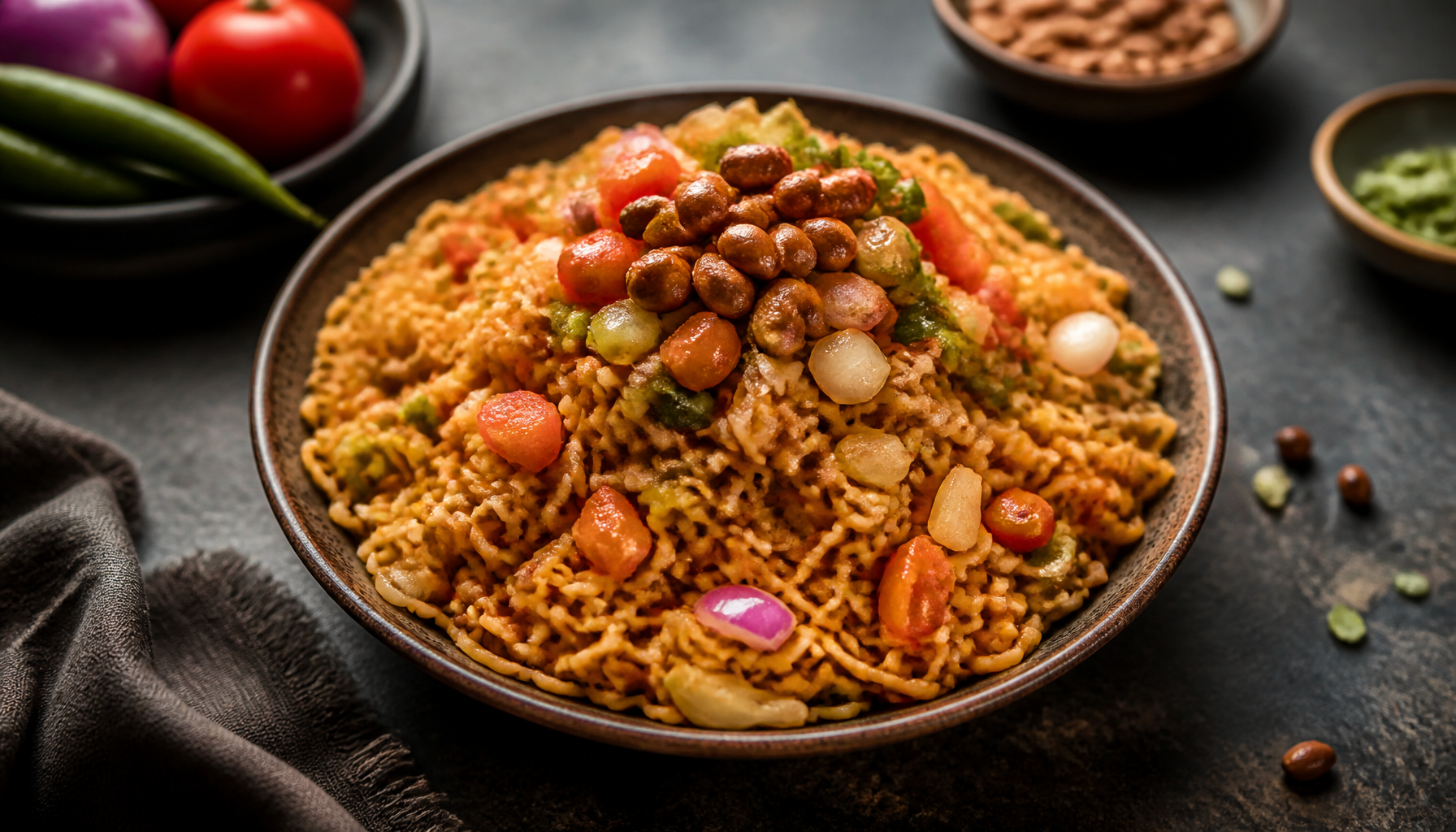
Nepali Chatpate is a beloved street snack that has captured the hearts (and taste buds) of many. Known for its spicy kick and crunchy texture, this dish is a staple in Nepali cuisine. But what exactly is Chatpate? Essentially, it’s a mix of puffed rice, vegetables, and a medley of spices that create a burst of flavors in every bite. This Nepali Chatpate recipe is not only easy to make at home but also deeply rooted in the vibrant street food culture of Nepal.
📌 Key Takeaways
Learn to make authentic Nepali Chatpate at home.
Explore the popular variation, Wai Wai Sadeko.
Understand the ingredients and preparation steps.
📋 Table of Contents
15 Sections
What is Chatpate?
Chatpate is synonymous with the hustle and bustle of Nepali street markets. It’s a savory snack, often enjoyed as a quick bite during the day. The name “Chatpate” itself hints at its tangy and spicy flavor profile, derived from the word “chatpat,” which means “spicy” or “tangy” in Nepali. This dish is a perfect embodiment of the diverse flavors found in [Nepali street food](https://www.tasteatlas.com/nepali-street-food), where each vendor might add their unique twist to the classic recipe.
Cultural Significance
In Nepal, Chatpate isn’t just a snack; it’s a cultural experience. It’s a dish that brings people together, whether they’re gathered around a street vendor or making it at home with family. The preparation process is often a social event, with everyone contributing to the mix. As a result, Chatpate is more than just food; it’s a way to connect with friends and family, sharing both the preparation and the enjoyment of eating.
Essential Ingredients for Nepali Chatpate Recipe
Creating an authentic Nepali Chatpate at home requires a few essential ingredients. These components come together to create the unique combination of flavors that make Chatpate a favorite among Nepali snacks.
Core Ingredients
Puffed Rice: This is the base of Chatpate, providing a light and crunchy texture.
Boiled Potatoes: Adds a creamy element that balances the spice.
Onions and Tomatoes: Freshly chopped, they provide a juicy and tangy flavor.
Green Chilies: For that essential fiery kick.
Lemon Juice: Adds tanginess, essential for the “chatpate” taste.
Spices: Cumin powder, chili powder, and salt are crucial for seasoning.
Optional Add-ons
To personalize your Chatpate, consider these optional ingredients:
Coriander Leaves: Freshly chopped for garnish and added flavor.
Sev: Crunchy chickpea flour noodles that add texture.
Peanuts: Roasted peanuts provide additional crunch and protein.
Nepali Chaat Masala: A spice mix that can enhance the flavor profile.
Step-by-Step Guide to Making Nepali Chatpate
Step-by-Step Guide to Making Nepali Chatpate
Making Nepali Chatpate at home is straightforward. Follow these steps for a delicious and authentic experience.
Preparation Steps
Gather Ingredients: Make sure all ingredients are ready and prepped. Boil the potatoes until tender and chop all vegetables finely.
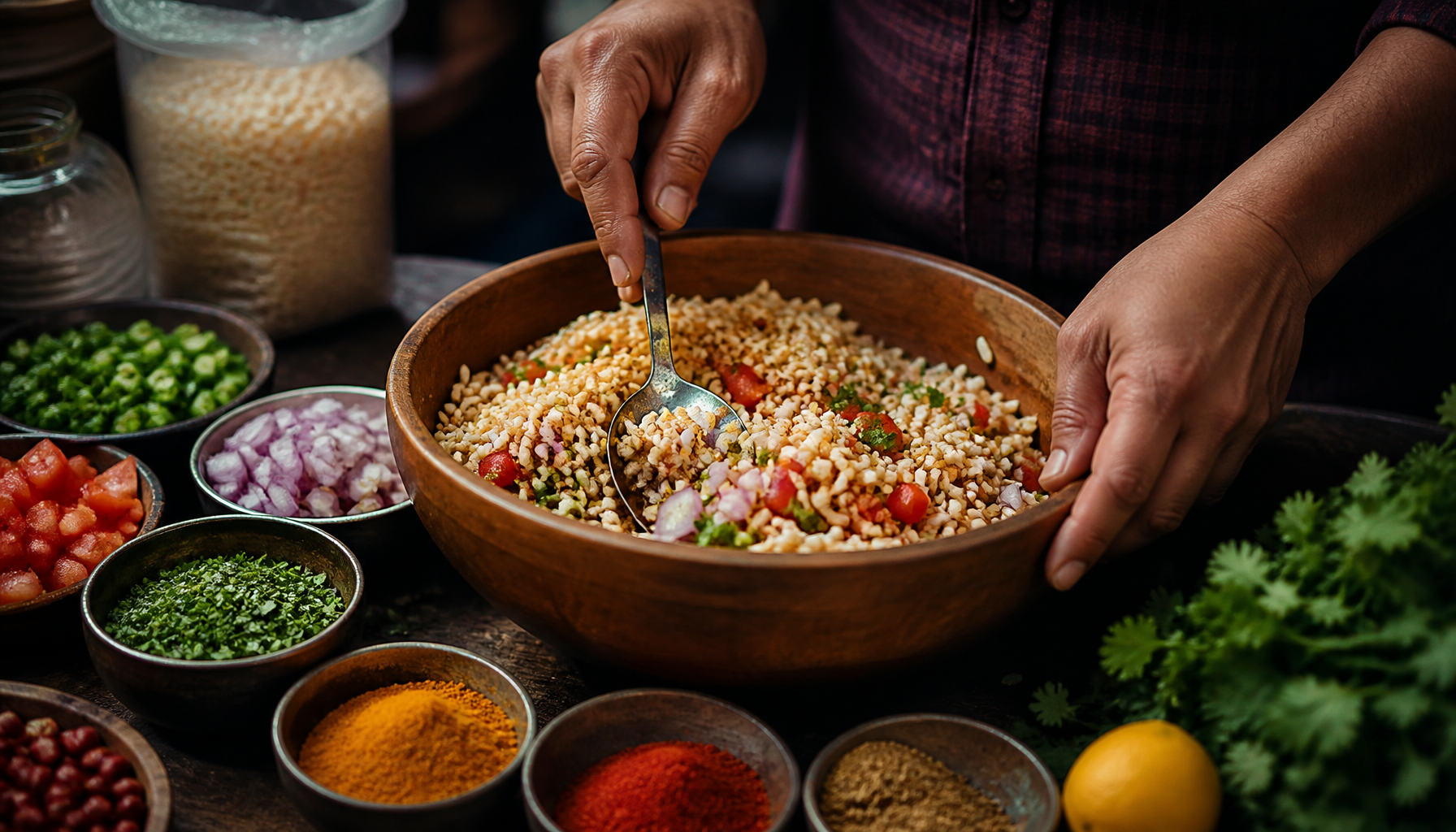
Mix the Base: In a large bowl, combine puffed rice, boiled potatoes, onions, and tomatoes.
Spice it Up: Add green chilies, cumin powder, chili powder, and salt to the mixture. Adjust the quantities to suit your spice preference.
Add Lemon Juice: Squeeze fresh lemon juice over the mixture and toss everything well to combine.
Optional Add-ons: If using, add sev, roasted peanuts, and coriander leaves. These add-ons elevate the dish with extra flavor and texture.
Serve Immediately: For the best taste and texture, serve the Chatpate immediately after preparation.
Tips for Perfect Chatpate
Balance Flavors: Taste as you go to ensure a balance between spicy, tangy, and salty flavors.
Crunch Factor: Serve immediately to maintain the crunchiness of the puffed rice.
Adjust Spice: If you prefer less spice, reduce the amount of green chilies and chili powder.
Exploring Types of Chatpate: Focus on Wai Wai Sadeko
Exploring Types of Chatpate: Focus on Wai Wai Sadeko
Among the various types of Chatpate, Wai Wai Sadeko stands out due to its unique use of Wai Wai noodles, a popular instant noodle brand in Nepal.
What is Wai Wai Sadeko?
Wai Wai Sadeko is a delightful variation of Chatpate that incorporates Wai Wai noodles, known for their distinct texture and flavor. These noodles are often eaten straight from the packet, adding an interesting twist to traditional Chatpate. The noodles are mixed with similar ingredients as Chatpate but offer a different texture and slightly nutty flavor.
How to Make Wai Wai Sadeko
Prepare Noodles: Crush a packet of Wai Wai noodles into small pieces. You can use the masala packet included for additional flavor.
Mix Ingredients: In a bowl, combine the crushed noodles with chopped onions, tomatoes, boiled potatoes, and green chilies.
Season: Add cumin powder, chili powder, and salt. Mix well to ensure the spices coat the noodles and vegetables evenly.
Add Lemon Juice: Squeeze fresh lemon juice over the mixture and toss everything together.
Garnish and Serve: Top with coriander leaves and sev for extra crunch. Serve immediately for the best flavor.
Serving Suggestions and Pairings
Chatpate is a versatile dish that can be enjoyed in various settings and with different accompaniments.
Traditional Pairings
Traditionally, Chatpate is enjoyed as a standalone snack, often paired with a hot cup of Nepali tea. The combination of spicy Chatpate and soothing tea creates a harmonious balance.
Modern Twists
For a modern twist, consider serving Chatpate in lettuce cups for a refreshing presentation. You can also pair it with a yogurt-based dip to mellow the spice for those who prefer milder flavors.
Nepali Chatpate, with its spicy and tangy allure, offers a glimpse into the vibrant street food culture of Nepal. Whether you try the classic recipe or venture into the exciting world of Wai Wai Sadeko, this dish promises a delightful culinary adventure.
Frequently Asked Questions
What ingredients are essential for Nepali Chatpate?
Essential ingredients include puffed rice, potatoes, and spices.
How is Wai Wai Sadeko different from other Chatpate?
Wai Wai Sadeko uses instant noodles as a base, offering a unique texture.
Can I make Chatpate less spicy?
Yes, adjust the spice level by reducing chili and other hot spices.
Black pepper Nepali, a seemingly humble spice, plays a vital role in the vibrant tapestry of Nepali cuisine. This versatile spice not only enriches the flavor profile of dishes but also brings a plethora of health benefits to the table. Whether you’re a culinary enthusiast or simply curious about the rich culinary traditions of Nepal, understanding the significance of black pepper in this context can spice up your culinary experience.
📌 Key Takeaways
Discover the unique role of black pepper in Nepali cuisine.
Learn about the health benefits of black pepper.
Explore traditional Nepali recipes featuring black pepper.
📋 Table of Contents
15 Sections
id=”the-significance-of-black-pepper-in-nepali-cuisine” class=”autoblogger-h2″ style=”font-size: 1.75rem; font-weight: 800; color: #0f172a; margin: 2.5rem 0 1.25rem 0; border-bottom: 2px solid #e2e8f0; padding-bottom: 0.5rem;”>The Significance of Black Pepper in Nepali Cuisine
Historical Use
Black pepper has been a cornerstone in Nepali cooking for centuries. Historically, it was used not just for its flavor but also for its preservative qualities, which were crucial in the days before refrigeration. In the cooler Himalayan regions, black pepper added warmth to dishes, enhancing their palatability and preserving their freshness. This spice was often traded along ancient routes, contributing to its widespread use and esteem in Nepali kitchens.
Cultural Importance
In Nepal, black pepper is more than just an ingredient; it’s a cultural icon. It is often used in religious ceremonies and traditional medicine, reflecting its integral role in daily life. The spice is indispensable in many household kitchens, where it is used to prepare traditional dishes that are passed down through generations. Black pepper symbolizes warmth and hospitality, often featured in meals served to guests, showcasing the rich cultural heritage of Nepali cuisine. For a deeper dive into [Nepali cuisine](https://www.nepalitimes.com), consider the cultural narratives that surround traditional dishes.
Health Benefits of Black Pepper
Nutritional Profile
Black pepper is not only a staple in the kitchen but also a powerhouse of nutrition. It contains essential vitamins and minerals, including vitamin K, vitamin C, iron, potassium, and dietary fiber. Its pungent compound, piperine, is responsible for its distinctive heat and numerous health benefits.
Medicinal Uses
The [health benefits of black pepper](https://www.healthline.com) are well-documented. It aids digestion by stimulating the secretion of hydrochloric acid in the stomach, which in turn improves the digestion of proteins and other food components. Black pepper also boosts metabolism and has antioxidant properties that help fight free radicals in the body. Moreover, it has anti-inflammatory effects and can enhance the bioavailability of other nutrients, making it a valuable addition to any diet.
💡 Pro Tip: To maximize the health benefits of black pepper, combine it with turmeric. Piperine in black pepper enhances the absorption of curcumin, the active ingredient in turmeric.
Traditional Nepali Recipes Featuring Black Pepper
Traditional Nepali Recipes Featuring Black Pepper
Popular Dishes
Black pepper is a key ingredient in several traditional Nepali dishes. For instance, in “Kwati,” a mixed bean soup, black pepper adds depth and warmth. Similarly, in “Sekuwa,” a popular grilled meat dish, it enhances the smoky and spicy flavors. “Aloo Tama,” a curry made with potatoes and bamboo shoots, also benefits from the subtle heat of black pepper.
Cooking Techniques
In Nepali cooking, black pepper is often used freshly ground to preserve its aromatic oils. Traditional techniques involve dry roasting the peppercorns to enhance their flavor before grinding. This method is particularly common in the preparation of masalas, which are spice blends used in many Nepali dishes. By integrating black pepper at different stages of cooking, chefs can manipulate its intensity and aroma, creating complex layers of flavor.
⚠️ Important Note: Always store black pepper in an airtight container away from light to maintain its potency and flavor.
How to Source Quality Black Pepper in Nepal
How to Source Quality Black Pepper in Nepal
Local Markets
Finding authentic black pepper in Nepal is an engaging experience. Local markets are the best places to source high-quality peppercorns. Vendors often sell freshly harvested spices, ensuring maximum freshness and flavor. When visiting these markets, look for peppercorns that are firm and uniform in size.
Online Options
For those unable to visit local markets, purchasing black pepper online is a convenient alternative. Numerous reputable online retailers offer a wide range of spices, including black pepper, sourced directly from Nepal. When buying online, ensure the retailer provides detailed product descriptions and sourcing information to guarantee authenticity.
Incorporating Black Pepper into Modern Nepali Cooking
Fusion Recipes
Modern Nepali chefs are innovating by incorporating black pepper into fusion recipes that marry traditional flavors with contemporary culinary trends. For example, black pepper can be a surprising addition to a Nepali-inspired pasta dish, where it complements the richness of cheese and the acidity of tomatoes.
Contemporary Uses
In contemporary Nepali cooking, black pepper is used not just in traditional dishes but also in new gastronomic creations. It can be found in everything from salads to desserts, where its heat balances sweetness and adds a unique twist. Experimenting with black pepper in modern recipes can lead to exciting culinary discoveries.
Black pepper Nepali not only enhances the flavor of dishes but also carries a rich history and cultural significance that elevates the culinary experience. Whether you’re savoring a traditional stew or experimenting with fusion cuisine, the spice’s benefits extend beyond taste, offering health advantages that have been cherished for generations. By understanding its role in Nepali cooking, you can truly appreciate the depth it brings to every dish.
For cooking enthusiasts and those eager to delve into Nepali culinary traditions, black pepper offers a gateway to a world of flavors and health benefits waiting to be explored.
Frequently Asked Questions
What are the health benefits of black pepper?
Black pepper aids digestion, improves metabolism, and has antioxidant properties.
How is black pepper used in traditional Nepali dishes?
It is used to enhance flavor and aroma in various curries and stews.
Where can I buy authentic black pepper in Nepal?
Authentic black pepper can be found in local markets and through reputable online retailers.
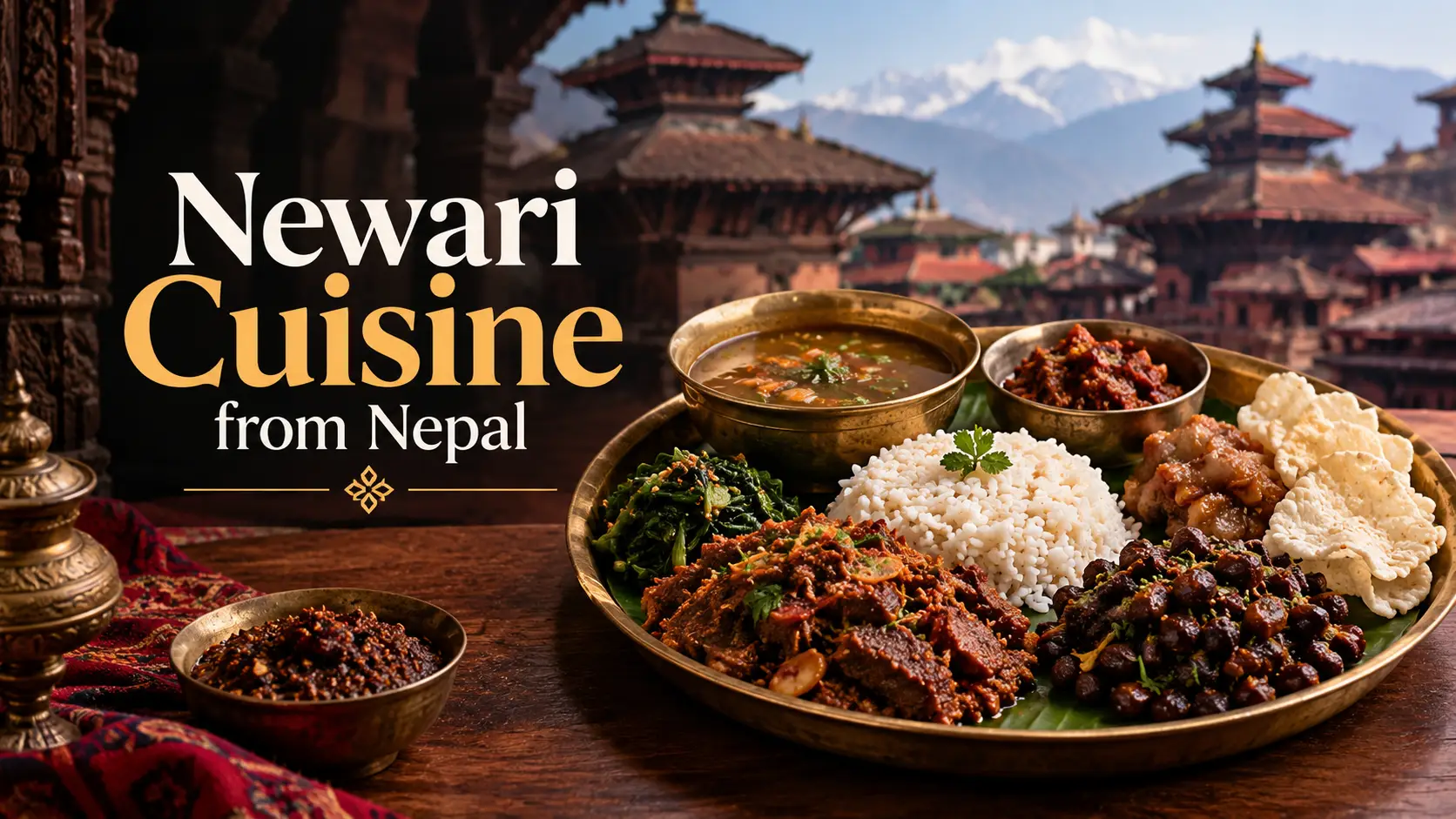
Newari Cuisine from Nepal: Iconic Dishes, Festival Foods and Where to Eat
Newari cuisine from Nepal is the traditional food of the Newar people, the indigenous community of the Kathmandu Valley. It is built around beaten rice, buffalo meat, black lentils, mustard oil and bold spices. Many Nepalis and visitors consider it the most distinctive and flavourful food tradition in the country. It is also one of the few where every dish is tied to a festival, a ritual or a family occasion.
This guide covers what Newari food is, the dishes worth trying, the festivals that shape the menu, vegetarian options, and how to eat it in Kathmandu, Patan and Bhaktapur.
Quick answer:
Who: The Newars, the indigenous people of the Kathmandu Valley (historically called Nepal Mandala).
Signature meal: Samay baji, a plate of beaten rice with meat, beans, pickles and egg.
Must-try dishes: Choila, bara, chatamari, yomari, kwati and aloo tama.
Next big food festival: Yomari Punhi on 24 December 2026.
Newari (or Newa) cuisine is a subset of Nepalese cuisine that developed over centuries among the Newars of the Kathmandu Valley. Food is central to Newar culture, and dishes served at feasts and festivals carry symbolic meaning. Daily meals are known as Ja Neu or the Newa thali.
Newari food generally falls into three groups:
1. Daily meals
Simple, balanced plates of rice, lentils, seasonal vegetables and pickles.
2. Snacks (khaja)
Bara, chatamari, choila and beaten rice, sold at street stalls and small eateries.
3. Feasts (bhwe)
Structured, multi-course meals for festivals, weddings and life rituals.
What Makes Newari Food Taste Different
Newari cooking has a recognisable flavour signature. Four things set it apart:
Staples: Rice in many forms, including boiled rice, beaten rice (baji or chiura) and rice flour. Lentils, especially black lentils and black soybeans, are the other pillar.
Proteins: Buffalo is the classic meat. Duck, goat, pork, fish and eggs also appear, and offal dishes are prized.
Techniques: Smoking and grilling, steaming, deep-frying, fermenting and pickling.
The cuisine has also borrowed from its neighbours. Some Newari dishes resemble Tibetan ones: lowa is similar to the Tibetan swo, and Newari mamacha is a spicier take on the momo dumpling.
Samay Baji: The Iconic Newari Plate
If you try only one Newari meal, make it samay baji. It is the most recognised plate of the cuisine and is served at feasts, rituals and restaurants. It is not a random mix: each item has a role in the plate.
Base
Baji (beaten rice). The flat, crunchy-chewy foundation of the plate.
Proteins
Choila (spiced grilled buffalo), boiled egg, fried meat or fish. Vegetarian versions swap in other items.
Beans & veg
Black soybeans (bhatmas), potato pickle (aloo achar), ginger and seasonal vegetables.
Drink
Aila (distilled rice spirit) or thwon (rice beer) at traditional meals.
Diagram: how a typical samay baji plate is built. Exact items vary by family, occasion and restaurant.
Must-Try Newari Dishes
Use this table to see the main dishes at a glance and which ones suit vegetarians.
Dish
What it is
Type
Vegetarian?
Choila
Spiced, grilled buffalo meat with mustard oil, ginger and chilli
Snack / side
No
Bara (wo)
Savoury lentil patty, plain or topped with egg or minced meat
Snack
Plain: yes
Chatamari
Thin rice-flour crepe, often called “Newari pizza”
Snack
Plain: yes
Yomari
Steamed rice-flour dumpling filled with molasses and sesame
Sweet
Yes
Kwati
Hearty soup of sprouted mixed beans
Soup / festival
Yes
Aloo tama
Tangy curry of potato and fermented bamboo shoot
Curry
Often (check stock)
Kachila
Raw minced meat, often buffalo, seasoned with spices
Festival
No
Ghalmal
Mixed curry of lentil cake, greens and leftover meat
Curry
No (usually)
Juju dhau
Rich set yoghurt from Bhaktapur, served in clay pots
Dessert
Yes
Savoury Favourites
Choila: Marinated buffalo meat, grilled or smoked, then tossed with ginger, garlic, chilli and mustard oil. It is the best-known Newari starter and a staple at bars and feasts.
Bara: A pan-fried black-lentil patty. Egg bara and minced-meat bara are common upgrades.
Chatamari: A crisp, thin rice-flour crepe. Toppings can include minced meat, egg or vegetables.
Kachila: A bold festival dish of raw minced meat with spices. Because it is raw, see the food-safety note in the vegetarian and dietary section below.
Soups and Curries
Kwati: Its name means “hot soup” in Newari. It is a protein-rich bean soup tied to the Gunla month of the Nepal Sambat calendar.
Aloo tama: The sour, funky note comes from fermented bamboo shoots.
Sweets
Yomari: A cone-shaped, steamed rice-flour dumpling filled with molasses (chaku) and sesame, sometimes khuwa. Legend credits a couple from Panauti with inventing it.
Juju dhau: Often called the “king of yoghurts”, it is closely associated with Bhaktapur.
Festival Foods and the Newari Feast (Bhwe)
Newari feasts are structured, not random assortments of dishes. Guests traditionally sit in rows on mats while courses are served in a set order. Food at these events marks everything from harvests to life milestones.
Gunla (Buddhist month)
Kwati. The bean soup is closely tied to this month in the Nepal Sambat calendar.
Nepal Sambat New Year
Family feasts. The Newari New Year is marked with feasting and sharing food with family and community.
Yomari Punhi 24 Dec 2026
Yomari. The full moon festival that marks the end of the rice harvest.
Yomari Punhi: The Sweetest Festival
Yomari Punhi falls on the full moon of Marga (Mangsir), and in 2026 it is observed on 24 December. It is also celebrated as Jyapu Day, and the Kirant community marks Udhauli on the same day. Families steam yomari and offer it to Annapurna, the goddess of grains. In the evening, children and adults go door to door singing and asking for yomari in a custom called tyo-si-tyo. Historically, yomari was a rare food made once a year, which is why sharing it became a community tradition.
If you are in Kathmandu, Patan or Bhaktapur around that date, bakeries and sweet shops sell fresh yomari. Local families often welcome visitors who show interest.
Vegetarian and Dietary Guide
Newari food is meat-heavy, but vegetarians can still eat well if they know what to ask for. This is a gap most guides skip.
Safe bets: Plain bara, plain chatamari, yomari, kwati, juju dhau, beaten rice with potato pickle, black soybeans and ginger.
Ask about: Aloo tama and kwati can sometimes be cooked with meat stock or served alongside meat, so ask the kitchen.
Request a vegetarian samay baji: Many Newari restaurants will leave out the meat and add extra beans, potato pickle and egg if you ask.
Raw-meat caution: Kachila is traditionally served raw. If you have a weak immune system, are pregnant, or simply prefer to be careful, skip it and choose grilled choila instead.
Alcohol: Aila and thwon are common at Newari meals but are always optional.
Where and How to Eat Newari Food
Newari food is best eaten where it is made, in the three old royal cities of the valley:
Kathmandu
The traditional heart of Newari cuisine, with many restaurants around Thamel and the old bazaars.
Patan (Lalitpur)
Newari eateries around Patan Durbar Square are a favourite for locals and visitors alike.
Bhaktapur
Famous for juju dhau and a strong everyday Newar food culture.
Tips for First-Timers
Look for the local crowd. Small, busy Newari eateries often serve better food than polished tourist restaurants.
Order a set. Start with a samay baji or Newa thali, then add one or two extras such as bara or choila.
Ask about spice. Choila and achar can be hot. Ask for mild if you are unsure.
Check availability. Some dishes, especially festival items, are only made on certain days. Confirm hours before you travel.
Regional Variations
Newar communities outside the core valley, such as in Banepa and Dhulikhel, adapt the cuisine to local ingredients while keeping core dishes like bara, choila and chiura. The result is one cuisine with several local accents.
Newari Food vs. Other Nepali Food
Newari cuisine
Typical Nepali daal bhat
Staple
Beaten rice, rice flour, lentil cakes
Steamed rice with lentil soup
Meat
Buffalo, offal and egg are central
Often optional or occasional
Flavour
Mustard oil, ginger, fenugreek, fermented notes
Milder, built around daal and curry
Structure
Ritual feasts with set courses
Everyday plate
Festival link
Very strong (yomari, kwati, samay baji)
Varies by community
Nepal’s cuisine is not one thing. It is a composite shaped by geography and trade, and Newari food is its most celebrated urban strand.
Frequently Asked Questions
What is Newari food famous for?
Newari food is famous for samay baji, choila, bara, chatamari and yomari, along with its structured festival feasts and rice-based staples.
What is the most famous Newari dish?
Samay baji is the most recognised Newari meal, built on beaten rice with choila, egg, beans and pickles.
Is Newari food spicy?
It is flavourful rather than uniformly hot. Dishes like choila and achar can carry real chilli heat, while bara, yomari and juju dhau are mild.
Is there vegetarian Newari food?
Yes. Plain bara, chatamari, kwati, yomari, juju dhau and a meatless samay baji are all possible. Always confirm with the kitchen.
What is yomari?
Yomari is a steamed, cone-shaped rice-flour dumpling filled with molasses and sesame, and sometimes khuwa. It is the signature food of Yomari Punhi.
When is Yomari Punhi in 2026?
Yomari Punhi is on 24 December 2026, the Marga full moon day, which is also Udhauli and Jyapu Day.
Where can I try Newari food in Nepal?
Kathmandu, Patan and Bhaktapur are the best places. Look for small, busy local restaurants and festival-day sweet shops.
Final Thoughts
Newari cuisine from Nepal is more than a list of dishes. It is a living food culture where every plate is linked to a season, a festival or a family tradition. Start with a samay baji, add a bara and a piece of choila, and finish with yomari if the calendar lines up. Then explore the lesser-known dishes, because the Kathmandu Valley rewards curious eaters.
Thakali Khana Set: What’s on the Plate, Where It Comes From and How to Order It
Ask a visitor what Nepali food is, and you will usually hear momo, Sel Roti and thukpa. Ask a Kathmandu local where to go for a proper sit-down meal, and there is a good chance the answer is a Thakali restaurant. The Thakali Khana Set is a full plate of rice or dhido, ghee-tempered dal, curries, pickle and chutney, and it has become one of the most popular meals in Nepali cities. It sits alongside everyday dal-bhat-tarkari, and it also belongs in any Taste of Nepal food list.
Quick answer
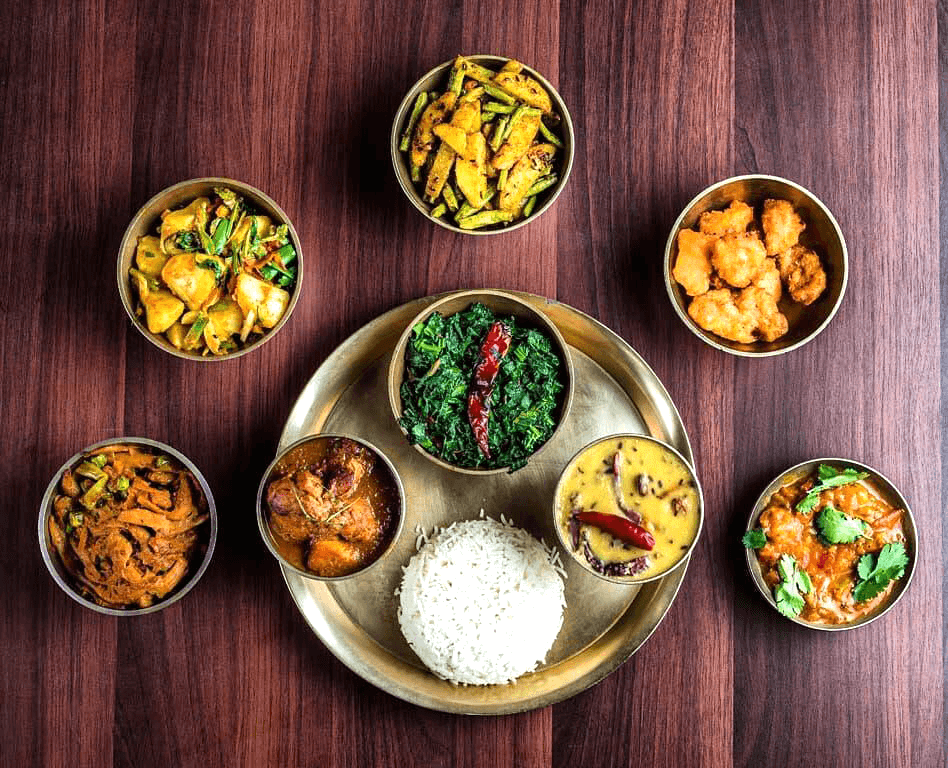
A Thakali Khana Set is a complete meal from the Thakali community of Mustang. It typically pairs rice (or dhido) with dal, vegetables, a meat curry or vegetarian alternative, a fermented pickle such as gundruk, and tomato chutney. Its signature flavours come from ghee, the dried Himalayan herb jimbu and the citrusy pepper timur.
What Is a Thakali Khana Set?
“Khana” simply means food or meal in Nepali. A Thakali Khana Set is the meal as the Thakali people serve it: several small dishes on one plate, built around a staple. According to The Gundruk, the staple is rice or dhido (usually buckwheat or millet), served with dal, vegetable curry, stir-fried spinach, meat curry, fermented pickle and a fresh chutney of timur and tomato.
Restaurants differ in the exact lineup, so treat the list below as typical, not fixed.
Where Thakali Food Comes From
Thakali food is prepared by the Thakali people of the Thak Khola area of Mustang. Nepal Traveller notes that the set originates in the Thak Khola valley and is widely popular across western Nepal.
Thak Khola was long a trade route across the high Himalayas. Trade brought the Thakali access to vegetables, but because they lived in the upper Himalayan region, much of what arrived was dried. That history helps explain why preserved and fermented foods such as gundruk matter so much in the cuisine.
As Thakali families moved to cities, the food moved with them. Ekantipur reports that about 70 Thakali kitchens in Kathmandu are working to spread the cuisine at home and abroad, and the same article warns that a “Thakali set available here” sign does not guarantee an authentic taste.
What Comes on a Thakali Khana Set Plate
Here is the plate at a glance, then the details in a table.
Rice or dhido the staple
Dal black lentil or local beans, ghee and jimbu
Vegetables potato curry, stir-fried spinach
Meat or veg curry chicken, mutton, fish or vegetarian
Pickle gundruk, radish pickle
Chutney tomato and timur
Item
What it is
Rice / dhido
Steamed rice, or dhido, a thick porridge-like staple made from flour such as buckwheat or millet.
Dal
Traditionally black lentil or local beans, finished with a ghee and jimbu tempering.
Vegetable dishes
Seasonal vegetables, spicy potatoes and stir-fried spinach, depending on the kitchen.
Meat curry
Often local chicken or mutton; some restaurants offer fish or a vegetarian option.
Gundruk
A fermented leafy green, served as a pickle or in a soup. It pairs especially well with dhido.
Tomato chutney
A fresh chutney usually made with tomato and timur.
Phopke (sometimes)
Fermented rice served as a dessert, according to Online Khabar.
The Flavours That Make It Thakali
Walk into a Thakali kitchen and the first thing you notice is the thick, fragrant smell of ghee. Beyond ghee, three things set the cuisine apart.
Jimbu. A dried herb from the onion family, made from two wild Allium species. Per Wikipedia, its taste sits between onion and chives, and it is fried in ghee to develop its flavour.
Timur. Nepal’s citrusy, gently numbing pepper, used in chutneys and spice blends.
Ghee. Used for the dal tempering and often served alongside the plate.
Restraint. Ekantipur says timur, jimbu, garlic and local ghee give Thakali food its character without too much oil or heavy spice.
How the Dal Gets Its Character
Dal is the highlight of the plate. The Gundruk describes the traditional method: lentils or beans are cooked slowly in a cast-iron pot over firewood, then finished with a tempering of jimbu and spices fried in hot ghee. Cast iron is said to give the dal its slightly greenish colour. At Gurugram’s Jimbu Thakali, The Nod reports the dal is repeatedly mashed with an iron ladle in an iron vessel, a traditional technique that deepens colour and flavour.
1. Cook black lentil or beans, slowly
→
2. Cast iron pot and ladle deepen colour
→
3. Temper jimbu and spices in hot ghee
→
4. Pour over the dal, served hot
Thakali Khana Set vs. Everyday Dal-Bhat
Dal-bhat is the staple across Nepal and is available in almost every restaurant, as Online Khabar notes. A Thakali set uses the same idea but builds the plate differently.
Feature
Everyday dal-bhat-tarkari
Thakali Khana Set
Core
Rice, lentil soup, vegetable curry, achar
Rice or dhido, dal, curries, pickle, chutney
Dal flavour
Often turmeric, cumin, garlic
Ghee and jimbu tempering
Signature extras
Salad, achar
Gundruk, timur chutney, ghee
Origin
Nationwide staple
Thak Khola, Mustang
Rice or Dhido: Which Should You Choose?
Many restaurants let you pick. Rice is the familiar choice. Dhido, made from buckwheat, millet or corn flour, is a thicker, more filling option. Nepal Traveller says it is best enjoyed with gundruk, which adds a tangy, slightly sour note. If you want the more traditional experience, ask for dhido.
How to Spot an Authentic Thakali Restaurant
Because many places advertise a Thakali set, here are checks based on what the sources describe as defining traits:
Ask whether the dal is tempered with jimbu and ghee.
Look for gundruk and a timur-based chutney on the plate.
Notice the aroma of ghee as you walk in.
Check the menu for dhido and buckwheat dishes, not only rice.
Where to Try a Thakali Khana Set
Restaurants open, move and close, so confirm hours and addresses before you go. These names appear in the sources above:
Kathmandu: Jimbu Thakali, which The Kathmandu Post says was established in 2016 with outlets in Kalimati, New Baneshwor, Jhamsikhel and Tangal. Ekantipur also names Mantra in Jhamsikhel and Tukuche Thakali in Gairidhara.
Pokhara: The Gundruk recommends Thakali Bhancha (Newroad), Fewa Thakali Bhanchha (Lakeside) and Mantra Thakali Restaurant (Newroad and Lakeside).
Abroad: Jimbu Thakali has opened its first foreign outlet in Gurugram, India, serving the Thakali Khana Set among other dishes.
Can You Get a Vegetarian Thakali Set?
Often, yes. Restaurant India reports that Jimbu Thakali’s thali offers a choice of chicken, mutton, fish or a vegetarian preparation, alongside jimbu-flavoured lentils, vegetables, potatoes, gundruk, radish pickle and tomato chutney. Other restaurants vary, so ask when ordering.
A Home Tip for the Dal
If you cook at home, The Gundruk’s guidance is to skip soaking the beans, which it says helps keep the texture creamy. For the tempering, it suggests ghee heated until it starts to smoke, then heat reduced and garlic, dried red chillies, fenugreek seed and jimbu added.
Frequently Asked Questions
What is Thakali Khana?
Thakali Khana is the traditional meal of the Thakali people from Mustang’s Thak Khola area: rice or dhido with dal, curries, pickle and chutney.
What is jimbu?
Jimbu is a dried Himalayan herb from the onion family, fried in ghee and used to flavour dal and other dishes.
What is timur?
Timur is Nepal’s native pepper, with a citrusy aroma and a mild numbing effect. It features in Thakali chutneys.
Is Thakali food the same as dal-bhat?
They are related but not identical. A Thakali set follows the dal-and-rice structure but adds ghee-and-jimbu dal, gundruk, timur chutney and the option of dhido.
Is Thakali Khana Set available outside Nepal?
Yes. Jimbu Thakali has opened an outlet in Gurugram, India, that serves the Thakali Khana Set.
Final Thoughts
A Thakali Khana Set is less about a single dish than a way of eating: a staple, a fragrant ghee-and-jimbu dal, something fermented and something fresh. Order it once and you will see why it has spread from Mustang to cities across Nepal and beyond. For more dishes to try, continue to Taste of Nepal.
id="introduction-to-the-spices-of-nepal" class="autoblogger-h2" style="font-size: 1.75rem; font-weight: 800; color: #0f172a; margin: 2.5rem 0 1.25rem 0; border-bottom: 2px solid #e2e8f0; padding-bottom: 0.5rem;">Introduction to the Spices of Nepal When it comes to...
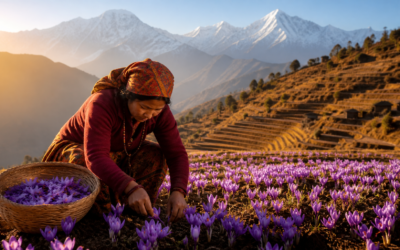
Saffron, often referred to as the "golden spice," holds a special place in Nepali cuisine and culture. Known for its distinct aroma and vibrant color, saffron in Nepali traditions is more than just a culinary delight—it's a symbol of heritage and wellness. This...