
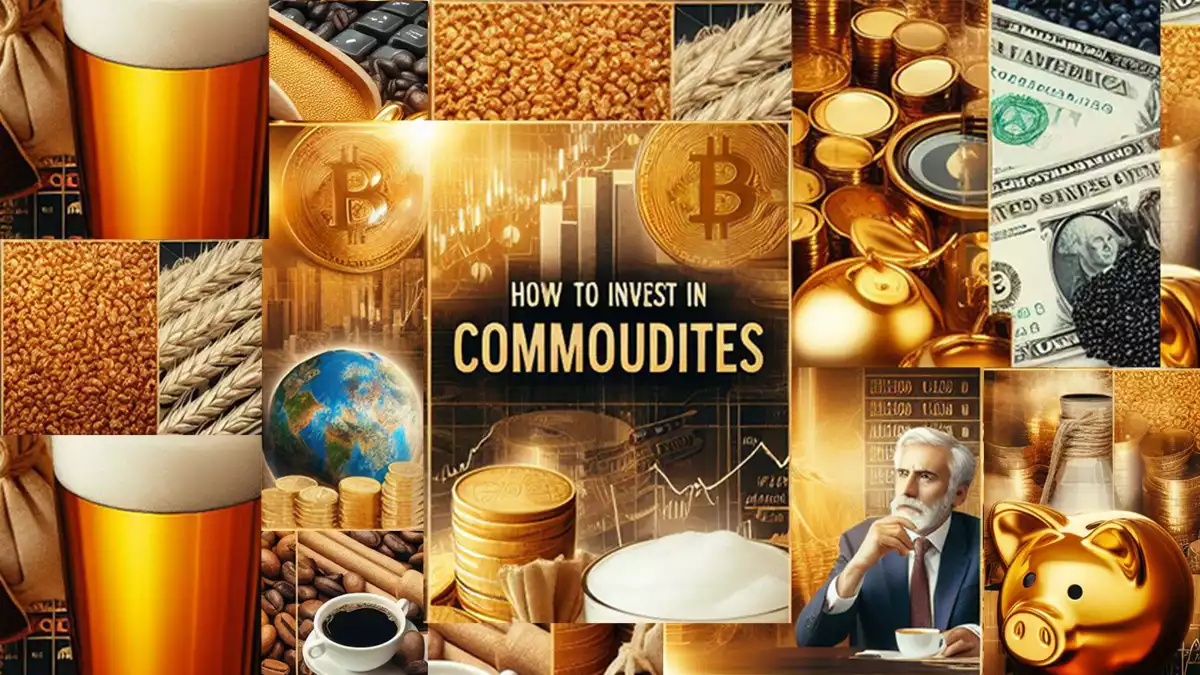
Investing in commodities can be a lucrative venture, offering diversification and a hedge against inflation. In this guide, we’ll explore the ins and outs of commodity investment, from understanding the different types of commodities to developing a successful investment strategy. Our commitment to providing accurate, well-researched, and actionable content stems from a dedication to empowering investors with the knowledge they need to navigate the dynamic world of commodity investments. Rest assured, our content is crafted with precision and reliability, reflecting our deep understanding of the subject matter and our mission to guide readers toward successful and rewarding investment decisions.
TABLE OF CONTENTS
- Introduction
- Types of Commodities
- Benefits of Investing in Commodities
- Risks Associated with Commodities
- Research and Analysis
- Choosing the Right Investment Strategy
- How to Start Investing in Commodities
- Common Mistakes to Avoid
- Case Studies
- Regulatory Considerations
- Market Trends and Emerging Opportunities
- Tips for Long-Term Success
- Interview with a Commodities Expert
- Conclusion
- FAQs
- What is the minimum capital required to start investing in commodities?
- How can I mitigate the risks associated with commodity investments?
- Are there tax implications for gains in commodity trading?
- Can I invest in commodities through a retirement account?
- What are the key indicators to watch for in commodity market analysis?
Introduction
Commodities, ranging from agricultural products to precious metals, are essential goods traded on various markets globally. Investing in commodities has gained popularity among investors seeking to diversify their portfolios and protect against economic uncertainties.
Types of Commodities
Agricultural Commodities
A significant category encompassing crops, livestock, and other agricultural products. Examples include wheat, soybeans, and cattle.
Energy Commodities
Comprising crude oil, natural gas, and other energy resources, this category is influenced by geopolitical events and supply-demand dynamics.
Precious Metals
Gold, silver, platinum, and palladium fall into this category, often considered safe-haven assets during economic downturns.
Base Metals
Industrial metals such as copper, aluminum, and zinc play a crucial role in construction and manufacturing, making them essential for economic growth.
Benefits of Investing in Commodities
Diversifying your investment portfolio with commodities offers several advantages:
Diversification of Investment Portfolio
Including commodities in your portfolio helps spread risk, as they don’t always move in tandem with traditional investments like stocks and bonds.
Hedging Against Inflation
Commodities, especially precious metals, have historically served as a hedge against inflation, preserving wealth during economic uncertainties.
Potential for High Returns
Given the inherent volatility in commodity markets, there is potential for substantial returns, especially during periods of increased demand.
Risks Associated with Commodities
Before diving into commodity investments, it’s crucial to understand and manage the associated risks:
Price Volatility
Commodity prices can be highly volatile, influenced by factors like weather conditions, geopolitical events, and global economic trends.
Market and Geopolitical Risks
Global events, such as political instability or conflicts, can impact commodity prices and market stability.
Supply and Demand Factors
Changes in supply and demand can lead to price fluctuations, affecting the profitability of commodity investments.
Research and Analysis
Successful commodity investment requires thorough research and analysis:
Understanding Market Trends
Stay informed about market trends by following commodity prices, production reports, and global economic indicators.
Analyzing Supply and Demand Dynamics
Monitor supply and demand factors to anticipate price movements and make informed investment decisions.
Keeping an Eye on Global Events
Geopolitical events, weather patterns, and economic developments worldwide can significantly impact commodity markets.
Choosing the Right Investment Strategy
Tailor your approach based on your financial goals and risk tolerance:
Long-Term Investing
Consider a buy-and-hold strategy, focusing on the potential for capital appreciation over an extended period.
Short-Term Trading
For more active investors, short-term trading allows for capitalizing on short-lived price fluctuations.
Commodity Mutual Funds and ETFs
Investing through funds offers diversification without directly managing individual commodities.
How to Start Investing in Commodities
Embark on your commodity investment journey with these steps:
Opening a Commodity Trading Account
Choose a reputable broker offering access to a variety of commodities and open a trading account.
Selecting a Reliable Broker
Research and choose a broker with a good track record, low fees, and a user-friendly platform.
Initial Capital and Risk Management
Determine the amount you’re willing to invest, considering your risk tolerance, and implement sound risk management practices.
Common Mistakes to Avoid
Learn from others’ experiences to avoid these common pitfalls:
Ignoring Research and Analysis
Relying on intuition without proper research can lead to poor investment decisions.
Overlooking Risk Management
Failing to set stop-loss orders or adequately manage risk can result in significant losses.
Chasing Trends Without a Strategy
Investing based on short-term trends without a solid strategy can be risky and counterproductive.
Case Studies
Explore real-world examples of successful commodity investments and lessons learned from failures.
Successful Commodity Investments
Highlight instances where investors made strategic decisions leading to profitable outcomes.
Learning from Investment Mistakes
Discuss cases where investors faced challenges, emphasizing the importance of learning from failures.
Regulatory Considerations
Navigate the regulatory landscape of commodity trading:
Understanding Commodity Market Regulations
Be aware of the regulations governing commodity markets to ensure compliance.
Compliance and Legal Aspects
Stay informed about legal requirements and compliance standards in your jurisdiction.
Market Trends and Emerging Opportunities
Stay ahead in the dynamic world of commodities:
Green Commodities
Explore the growing trend of environmentally sustainable commodities and their investment potential.
Technological Advancements in Commodity Trading
Discover how technology is shaping the future of commodity trading and investment opportunities.
Tips for Long-Term Success
Secure your long-term success in commodity investment:
Patience and Discipline
Commodity markets can be unpredictable; patience and discipline are crucial for long-term success.
Continuous Learning and Adaptation
Stay updated on market trends, technologies, and economic factors, adapting your strategy accordingly.
Monitoring and Adjusting the Investment Strategy
Regularly evaluate your portfolio and adjust your investment strategy based on changing market conditions.
Interview with a Commodities Expert
Gain insights from an industry professional:
Insights from an Industry Professional
An expert shares valuable insights and tips for beginners entering the world of commodity investment.
Tips for Beginners
Practical advice for newcomers, emphasizing the importance of education and informed decision-making.
Conclusion
In conclusion, investing in commodities can be a rewarding venture when approached with knowledge and strategy. Diversify your portfolio, manage risks wisely, and stay informed about market trends for a successful commodity investment journey.
FAQs
What is the minimum capital required to start investing in commodities?
The minimum capital varies, but it’s advisable to start with an amount you can afford to lose.
How can I mitigate the risks associated with commodity investments?
Diversify your investments, conduct thorough research, and implement effective risk management strategies.
Are there tax implications for gains in commodity trading?
Consult with a tax professional to understand the specific tax implications based on your jurisdiction.
Can I invest in commodities through a retirement account?
Yes, some retirement accounts allow for commodity investments. Check with your account provider for options.
What are the key indicators to watch for in commodity market analysis?
Keep an eye on supply and demand trends, geopolitical events, and global economic indicators for comprehensive analysis.

Ropani to Square Feet Converter: Jagga Napi Tool for Nepal (2026)

Online Typeshala: Free Nepali Typing Tutor (Preeti & Unicode)
Use Online Typeshala free in your browser: Nepali and English typing lessons, Preeti and Unicode layouts, live WPM, a 4-week plan and Lok Sewa speed targets.
Typeshala vs Online Typing Tools (Typing.com, 10FastFingers): Which Is Best?
Typeshala vs Typing.com vs 10FastFingers compared: Nepali (Preeti) support, lessons, speed tests, offline use, cost and which tool to use for Lok Sewa typing practice.
Typeshala Keyboard Shortcuts & Lesson Guide (Preeti Key Map + 30-Day Plan)
Every Typeshala keyboard shortcut in one place: menu and DOSBox keys, the full Preeti key map, the Shift rule for half letters, matra order, and a 30-day lesson plan with WPM targets.
Common Typing Mistakes and How Typeshala Helps Fix Them
The most common typing mistakes in English and Nepali, from looking at the keyboard to Preeti vs Unicode mix-ups and halanta errors, plus exactly how Typeshala helps you fix each one.

NEB GPA Calculator
alt="NEB GPA Calculator Nepal for Class 11 and 12 showing grade points, credit hours and final GPA result" NEB GPA Calculator — calculate your Class 11 and Class 12 GPA and download a printable provisional marksheet. NEB GPA Calculator Nepal: Calculate Your Class 11...

Driving License Print Status Check Online Nepal (2026): Free DOTM Tool
Check whether your DOTM smart card driving licence has been printed in Nepal. Free bilingual tool with bulk check, SMS fallback and a plain guide to what each result means.
SIP Calculator Nepal 2026 – Mutual Fund SIP Returns in NPR
SIP CALCULATOR NEPAL — wilson.com.np Paste into WordPress "Custom HTML" block (full post body). Self-contained: scoped CSS + vanilla JS. No dependencies. ============================================================ -->SIP Calculator Nepal — work out exactly what your...