Saffron, often referred to as the “golden spice,” holds a special place in Nepali cuisine and culture. Known for its distinct aroma and vibrant color, saffron in Nepali traditions is more than just a culinary delight—it’s a symbol of heritage and wellness. This article explores the cultural significance, cultivation practices, culinary uses, health benefits, and challenges in sourcing authentic saffron in Nepal.
📌 Key Takeaways
Discover the cultural significance of saffron in Nepal.
Learn about saffron cultivation practices in Nepal.
Explore the health benefits and culinary uses of saffron.
Saffron’s cultural roots in Nepal are deep and multifaceted. It has been revered for centuries, not only for its culinary uses but also for its spiritual and ceremonial importance.
Historical Context
Historically, saffron has been prized in Nepal for its rarity and unique properties. The spice’s history in the region dates back hundreds of years when it was first introduced through trade routes connecting South Asia to the Middle East and Europe. Saffron was not only a luxury item but also a symbol of prosperity and purity.
Saffron in Festivals and Traditions
In Nepali traditions, saffron is often used in religious rituals and festivals. For example, during Tihar, the festival of lights, saffron-infused water is used to anoint statues of deities and sacred objects. Additionally, saffron is an essential ingredient in the traditional dish “Pulao,” which is prepared during celebrations and gatherings. Its inclusion in these practices underscores its importance as a symbol of auspiciousness and blessing.
Saffron Cultivation in Nepal
Cultivating saffron in Nepal requires specific climatic conditions and precise techniques, making it a challenging yet rewarding endeavor.
Ideal Growing Conditions
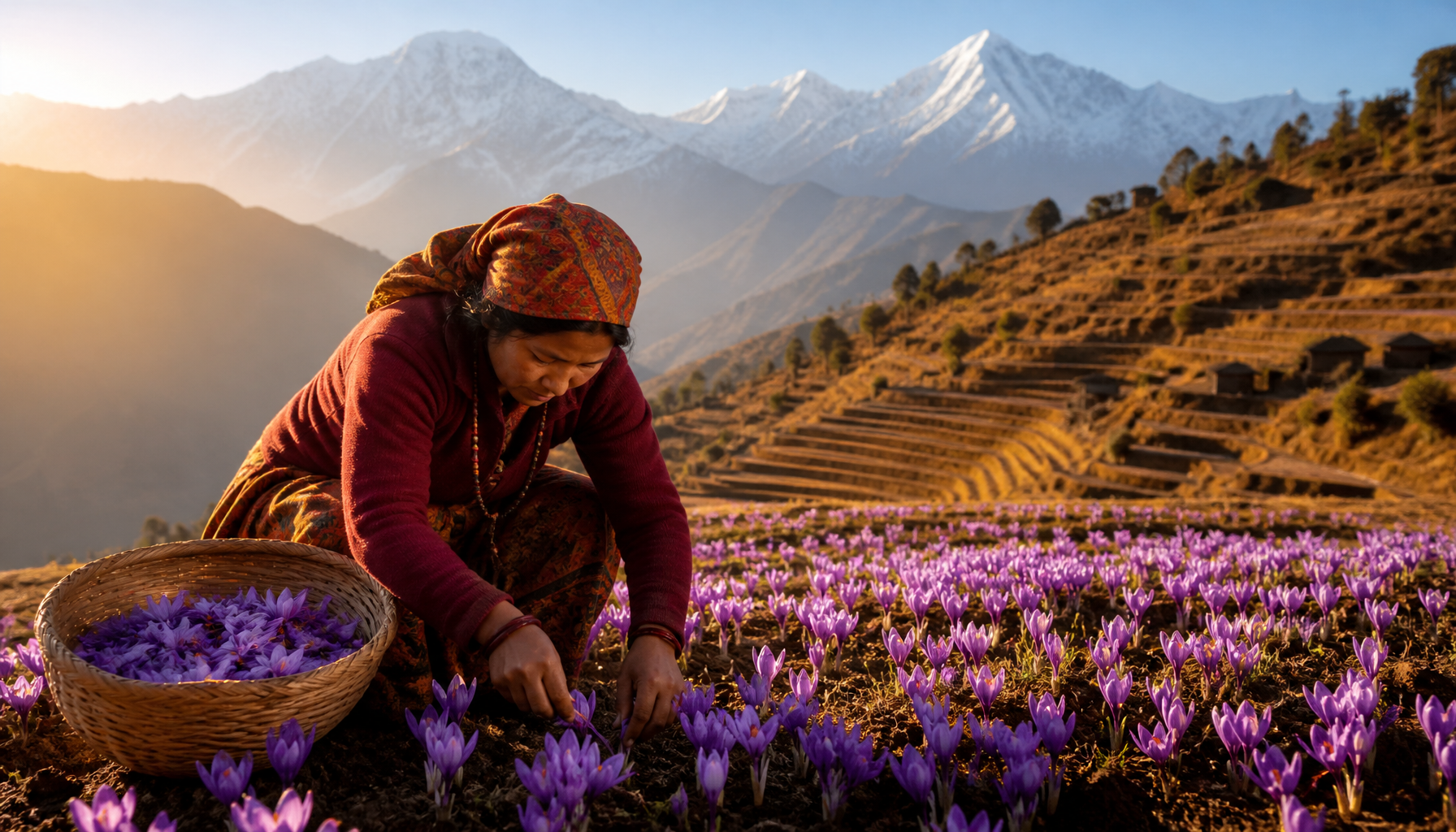
Saffron thrives in high-altitude regions with well-drained soil and a dry climate. In Nepal, areas such as Jumla and Mustang are ideal for saffron cultivation due to their altitude and climate. The spice requires a cold winter to stimulate flowering, followed by a warm, dry summer.
Harvesting Techniques
The harvesting of saffron is labor-intensive. 1.Pick the flowers early in the morning when they are fully bloomed. 2.Carefully separate the crimson stigmas from the flowers by hand. This meticulous process ensures the quality and purity of the saffron threads. 3.Dry the stigmas in a controlled environment to preserve their aroma and potency.
For more insights into saffron cultivation practices, you can refer to Nepalese agricultural practices.
Culinary Uses of Saffron in Nepali Cuisine
Culinary Uses of Saffron in Nepali Cuisine
Saffron’s unique flavor and color make it a cherished ingredient in Nepali cooking.
Popular Dishes
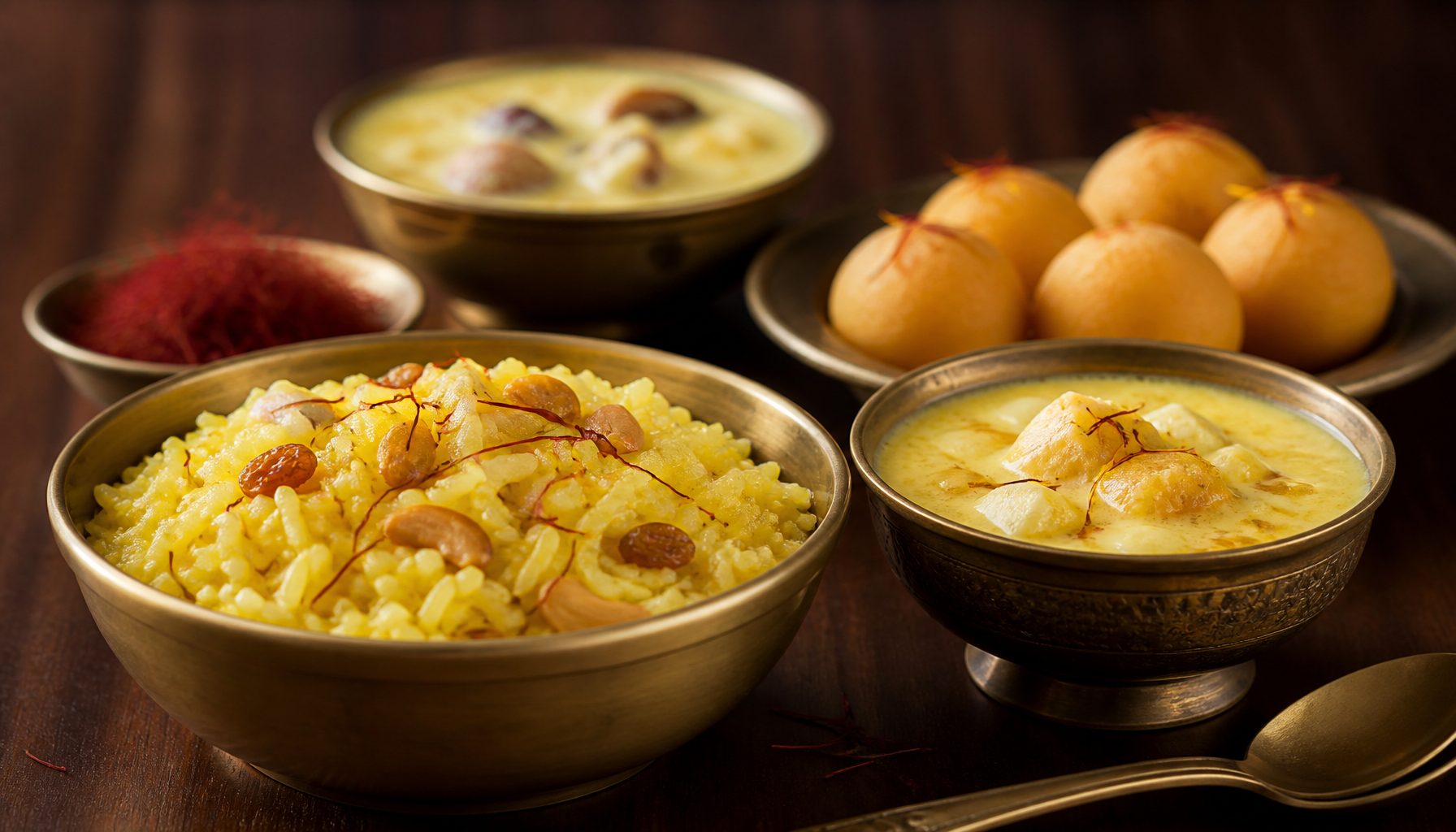
Saffron is used in a variety of Nepali dishes, with “Saffron Pulao” being a standout. This fragrant rice dish is enriched with saffron, nuts, and spices, offering a delightful blend of flavors. Another popular dish is “Kheer,” a creamy rice pudding infused with saffron and cardamom, often served during festivals and special occasions.
Cooking Tips
When cooking with saffron, soak the threads in warm water or milk for about 20 minutes before adding them to your dish. This technique releases the full flavor and color of the saffron. Use sparingly, as a little saffron goes a long way in imparting its distinct essence.
Health Benefits of Saffron
Health Benefits of Saffron
Saffron is more than a culinary treasure; it is also valued for its health-enhancing properties.
Nutritional Profile
Saffron is rich in antioxidants such as crocin and safranal, which contribute to its vibrant color and health benefits. It also contains vitamins and minerals including vitamin C, manganese, and iron.
Medicinal Uses
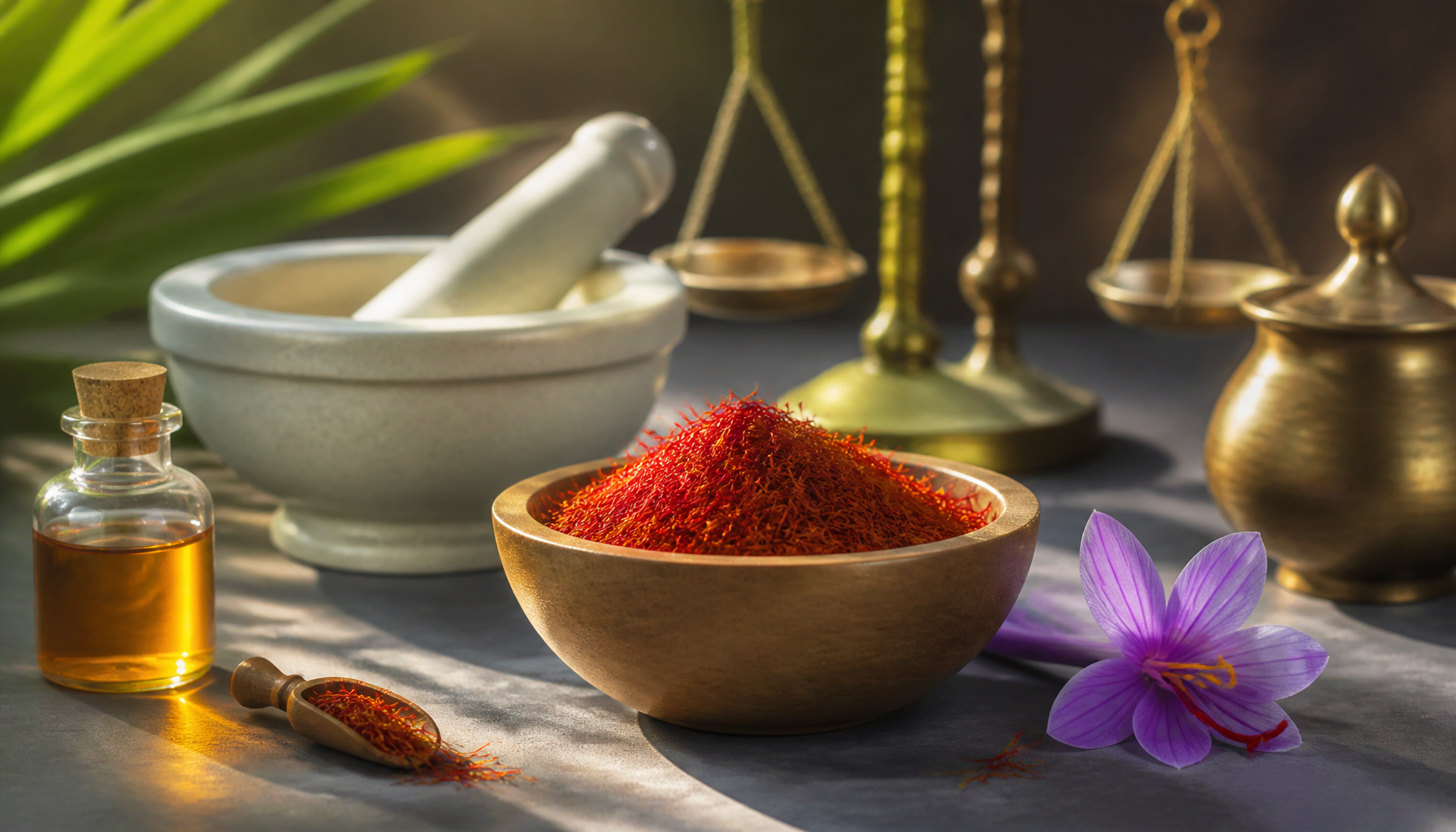
Traditionally, saffron has been used in herbal medicine for its anti-inflammatory and antidepressant properties. It is believed to improve mood, boost memory, and support heart health. Modern studies continue to explore its potential in treating conditions like Alzheimer’s and depression. For further details on the health benefits of saffron, visit [Health benefits of saffron](https://www.healthline.com/nutrition/saffron).
Challenges in Sourcing Authentic Saffron
The high demand and limited supply of saffron can lead to issues in sourcing authentic, high-quality saffron.
Identifying Quality Saffron
Authentic saffron should have a deep red color with a slightly sweet aroma. Look for threads that are uniform in appearance and avoid powders, which are often diluted with fillers. Quality saffron threads will not break easily and will have a slightly bitter taste.
Buying Tips
When purchasing saffron, choose reputable vendors who provide certification of authenticity. Check the packaging for details about the origin and harvest date. Buying saffron in small quantities ensures you are getting fresh, potent spice.
💡 Pro Tip: Store saffron in an airtight container away from light and moisture to preserve its quality.
Saffron’s profound impact on Nepali cuisine and culture is undeniable. From its historical roots to its modern-day applications, saffron remains a symbol of Nepal’s rich heritage and culinary artistry. Whether you’re a cooking enthusiast, a traveler exploring Nepal, or someone interested in herbal medicine, understanding saffron’s role in Nepali traditions offers a unique glimpse into the country’s vibrant culture.
Frequently Asked Questions
How is saffron used in Nepali cuisine?
Saffron is used in a variety of dishes for its flavor and color.
What are the health benefits of saffron?
Saffron has anti-inflammatory and antioxidant properties beneficial for health.
Where is saffron grown in Nepal?
Saffron is cultivated in regions with suitable climates, such as high-altitude areas.